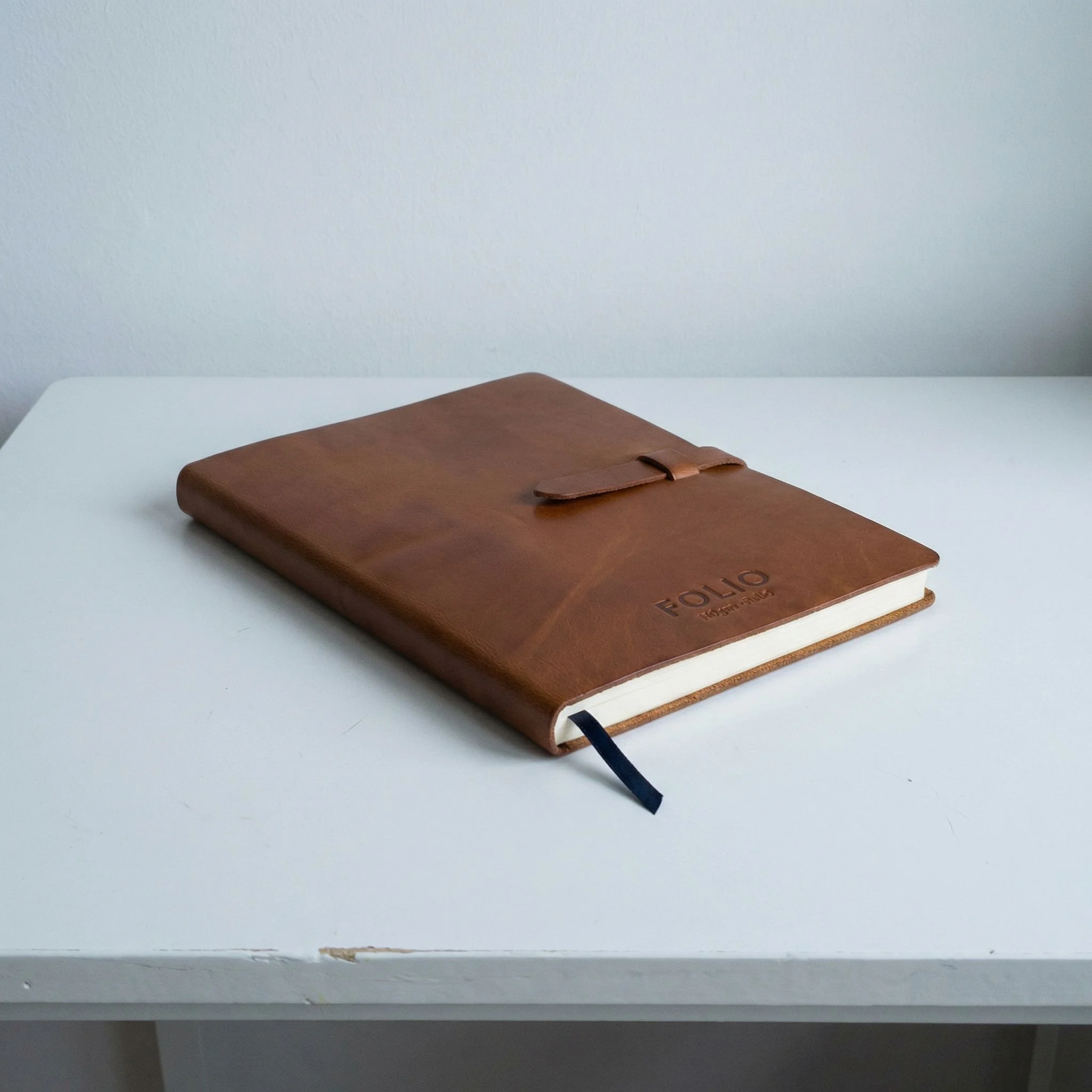

Crafting Irresistible Book Product Photos: An AI Guide for Publishers and Authors
Discover how AI-powered photography revolutionizes book product images, solving common challenges like glare and scale to create stunning, consistent visuals th


Why Professional Book Photography Matters
Making a Strong First Impression
In the bustling digital marketplace, a book cover is often a reader's very first interaction with your story or knowledge. Just as a well-designed cover entices, a professionally captured image of that cover dramatically amplifies its appeal. High-quality book product photography goes beyond merely showcasing the book; it conveys professionalism, attention to detail, and respect for the reader's experience. Blurry, poorly lit, or uninspired images can inadvertently signal a lack of quality, causing potential readers to scroll past even the most brilliant prose.
Enhancing Discoverability and Engagement
E-commerce platforms are inherently visual. Stunning book cover photos AI-generated or traditionally shot, are crucial for standing out in search results and captivating attention on social media. Images that accurately represent the book and its genre – perhaps a cozy setting for a romance novel, a dramatic backdrop for a thriller, or a minimalist desk for a business guide – can significantly increase click-through rates. Readers are more likely to engage with listings that offer multiple views, context, and a sense of the book's physical presence. This engagement translates directly into higher conversion rates.
Building Brand Authority and Trust
For authors and independent publishers, consistent and high-quality visuals across an entire catalog build a cohesive brand identity. Each image reinforces your commitment to excellence, fostering trust with your audience. When readers see a uniform standard of photography across your works, it elevates your perceived professionalism, making them more confident in exploring your other titles. Professional visuals communicate that you value your craft and your readers, encouraging loyalty and repeat purchases.
Unique Photography Challenges for Books
Books, while seemingly straightforward subjects, present a specific set of photographic hurdles that can frustrate even experienced photographers.
Tackling Reflections and Glare
Glossy book covers, especially paperbacks and hardcovers with dust jackets, are notorious for reflecting light sources. This glare can obscure key elements of the cover art, distort colors, and create distracting hotspots. Achieving a perfectly even, glare-free shot without expensive lighting setups and diffusion techniques is a significant challenge, often resulting in lost detail and a less professional appearance.
Capturing Scale and Dimensions Accurately
Unlike many products where size is relative, the physical dimensions of a book – its height, width, and spine thickness – are crucial for readers. They want to visualize how it will feel in their hands or look on their bookshelf. Photographing a book in a way that clearly conveys its true scale, especially when placed alongside other objects, requires careful composition and often, consistent props. Without this, buyers might receive a book that feels surprisingly small or large, leading to disappointment or returns.
Showcasing Texture and Material Quality
The tactile experience of a book is part of its charm. Whether it's the smooth matte finish of a literary novel, the embossed texture of a special edition, or the sturdy feel of a children's board book, these material qualities are difficult to convey through standard flat images. Highlighting these textures requires specific lighting angles and close-up shots that reveal the subtle interplay of light and shadow on the surface, adding depth and richness to the visual presentation.
Ensuring Color Accuracy
A book's cover is a carefully designed piece of art, and its colors are integral to its message and appeal. Inconsistent lighting, camera settings, or even monitor calibration can drastically alter the perceived color of a book in a photo. Ensuring that the vibrant blues, subtle pastels, or rich earth tones of a cover are faithfully represented is critical to maintaining design integrity and meeting reader expectations. Discrepancies can lead to a disconnect between the expectation set by the image and the physical product, potentially eroding trust.
Variety and Visual Storytelling
Beyond a simple flat-lay, readers appreciate seeing books in context. A thrilling novel nestled on a bedside table, a cookbook open in a sunlit kitchen, or a children's book being read aloud – these lifestyle shots tell a story and help readers envision the book in their own lives. However, staging diverse, high-quality scenes for an entire catalog can be incredibly time-consuming and expensive, requiring various props, locations, and models.
How AI-Powered Photography Transforms Book Listings
AI-powered product photography platforms like Photone AI are revolutionizing how authors and publishers approach their visual marketing, directly addressing the common challenges outlined above.
Overcoming Technical Hurdles with AI
AI can effortlessly mitigate issues like glare and reflections. By analyzing the product image, AI can intelligently smooth out hot spots, restore obscured details, and ensure uniform lighting across the book cover, regardless of the original photo's conditions. This means less time spent on elaborate setups or post-production editing, and more focus on what matters: your content. Even if you start with a basic product shot, AI can enhance its quality to a professional standard, making book cover photos AI a game-changer.
Generating Diverse Lifestyle Scenes Instantly
One of AI's most powerful capabilities is its ability to generate realistic and diverse lifestyle scenes from a single product image. Instead of meticulously staging a photoshoot for every book in your catalog, you can simply upload your book cover (or paste its URL, thanks to Photone AI's URL-to-photo pipeline), and the AI can place it into a myriad of relevant settings. Imagine your historical fiction novel on an antique desk, a self-help guide in a minimalist study, or a fantasy epic on an adventurer's worn map – all generated in seconds, without ever needing to physically touch a prop or hire a photographer. This not only saves immense time and cost but also allows for unparalleled creativity in visual marketing.
Maintaining Brand Consistency Effortlessly
For publishers managing multiple titles or authors with a series, maintaining a consistent visual brand can be a nightmare. AI platforms allow you to define a specific aesthetic – a "style" – and apply it across all your product images. This ensures that every book in your catalog, regardless of its genre or release date, adheres to a cohesive visual identity, reinforcing your brand and making your offerings instantly recognizable.
Preparing Your Books for an AI Photoshoot
While AI can work wonders, the quality of its output is often enhanced by the quality of its input. Here are tips for preparing your books:
Quality Control for Physical Books
If you're using physical book scans or photos as your source material for the AI, ensure they are pristine.
- Cleanliness: Wipe covers free of dust, fingerprints, or smudges. Even tiny imperfections can become magnified in a high-resolution image.
- Condition: Use a new, undamaged copy if possible. Avoid books with bent corners, creased spines, or scuffs.
- Lighting (for source photo): While AI can correct a lot, a well-lit initial photograph helps. Use soft, even lighting to minimize harsh shadows and capture details clearly.
- Angle: A simple, head-on shot of the cover is often sufficient as the base image for AI to work with. You might also include a spine shot or a back cover shot if you want to provide comprehensive angles to the AI.
Optimizing Digital Assets (for AI platforms like Photone AI)
Many AI platforms, especially those with a URL-to-photo pipeline, work best with digital assets.
- High-Resolution Cover Art: Provide the highest resolution digital image of your book cover available. This ensures that the AI has ample detail to work with when generating new scenes.
- Clean Edges: If providing a flat image, ensure the cover is cleanly cropped with no background elements.
- Metadata: While not directly photographic, having accurate metadata for your book (title, author, genre) can help AI suggest more relevant scene templates.
Platform-Specific Image Requirements for Books
Understanding the image requirements of major bookselling platforms is crucial for successful listing and maximum visibility.
Amazon Kindle Direct Publishing (KDP)
For both e-books and print-on-demand paperbacks/hardcovers, Amazon KDP has strict cover image requirements.
- Resolution: Minimum 1600 pixels on the shortest side, but ideally 2560 x 1600 pixels for optimal display on high-resolution devices (a 1.6:1 aspect ratio).
- File Type: JPEG or TIFF.
- Content: The image should be your book cover only, with no borders, additional text, or marketing copy.
- Quality: High-resolution, clear, and legible. The image should accurately represent the final cover.
Etsy
For authors selling physical copies or unique book-related merchandise, Etsy is a popular platform.
- Resolution: Minimum 2000 pixels on the shortest side for the zoom feature to work effectively. Recommended width of 2700 pixels.
- Number of Images: Up to 10 images per listing. This is where lifestyle shots truly shine.
- Content: Clear, well-lit photos showing the actual product. Etsy encourages lifestyle photos that show the item in use or context, which is perfect for AI-generated book scenes.
- First Image: Your main photo is critical. It should be appealing and clearly show what's for sale.
Barnes & Noble Press
Similar to KDP, Barnes & Noble Press requires high-quality cover images for their print and e-book offerings.
- Resolution: High-resolution image (at least 72 DPI), with 2560 x 1600 pixels recommended for optimal display.
- File Type: JPEG or TIFF.
- Content: Like Amazon, the cover image should be solely the book cover, without extra elements.
- Quality: Professional and vi...


Platform Requirements
| Platform | Requirements |
|---|---|
| Amazon KDP | Min 1600 pixels on shortest side, ideally 2560 x 1600 pixels (1.6:1 aspect ratio) for covers. High-res, no borders or extra text. JPEG or TIFF. |
| Etsy | Min 2000 pixels on shortest side for zoom. Recommended 2700 pixels width. Up to 10 images. Clear, well-lit, lifestyle shots encouraged. JPEG, PNG, or GIF. |
| Barnes & Noble Press | High-resolution image (at least 72 DPI), recommended 2560 x 1600 pixels for cover. JPEG or TIFF. Book cover only. |
Frequently Asked Questions
Can AI photography accurately capture my specific book cover design?+
Yes, AI platforms are designed to integrate your existing book cover design onto various scenes and backgrounds. They meticulously analyze the cover image you provide, preserving its intricate details, colors, and typography, ensuring it looks authentic within the generated lifestyle photo.
Do I need professional photography equipment to use AI product photography for my books?+
Not at all! One of the biggest advantages of AI photography is that it significantly reduces the need for expensive equipment. You can start with a basic, clear photo of your book cover taken with a smartphone, or even just provide the digital cover file or a product URL. The AI then handles the heavy lifting of lighting, staging, and enhancement.
How does AI handle reflections on glossy book covers?+
AI algorithms are highly effective at identifying and neutralizing reflections and glare. They can intelligently 'smooth out' hot spots, restore details that might be obscured by glare, and create an evenly lit appearance without distorting the original cover art, making your book look pristine in any scene.
Can I customize the scenes or backgrounds generated by AI for my books?+
Absolutely. Platforms like Photone AI offer "Reusable Styles" and scene templates that allow you to dictate the mood, setting, and overall aesthetic for your images. You can choose from various environments (e.g., cozy cafe, academic desk, outdoor adventure) and often fine-tune elements to match your book's genre and target audience.
Is AI-generated photography suitable for both e-books and physical print books?+
Yes, it's highly effective for both. For e-books, AI can create compelling marketing visuals that give a tangible feel to a digital product. For physical books, it helps potential buyers visualize the book in real-world settings, conveying its size, aesthetic, and how it might fit into their lives, encouraging purchases of the physical copy.
How long does it take to get AI-generated photos for my books?+
The speed is one of AI's greatest benefits. Many platforms, including Photone AI with its URL-to-photo pipeline, can generate multiple professional lifestyle images in a matter of seconds to a minute after you provide your book's details. This rapid turnaround is a huge advantage over traditional photography.
Will using AI photography make my book listings look generic?+
Quite the opposite! While AI offers efficiency, advanced platforms provide extensive customization options. Through features like Photone AI's Style system and a wide array of scene templates, you can create unique, brand-aligned visuals that are far from generic. You define the aesthetic, and the AI executes it consistently, allowing for highly personalized and distinctive marketing imagery.