
Mastering Craft Supplies Photography: An AI-Powered Guide for DIY Sellers
Elevate your craft supplies with AI product photography. Learn to overcome common challenges and create stunning, consistent images that boost sales.

Why Professional Product Photos are Non-Negotiable for Craft Supplies Sellers
In the bustling world of online marketplaces, where visual appeal often dictates a buyer's decision, professional product photography is the silent salesperson for craft supplies. Unlike finished products, craft supplies – beads, yarns, fabric swatches, tools, or kits – sell the potential of creation. High-quality images don't just showcase an item; they inspire buyers, helping them visualize their next DIY project.
For sellers in the craft supplies niche, this means more than just a clear photo. It's about conveying texture, true color, scale, and the overall quality that fuels creative endeavors. Imagine a knitter searching for yarn online; they need to see the fiber's softness, the exact shade, and enough detail to trust it for their next heirloom piece. Poorly lit, blurry, or inconsistent photos can erode this trust, leading to missed sales and a less professional brand image. Investing in professional photography, even through accessible AI solutions, is an investment in your brand's credibility and your customers' creative journey.
Common Photography Challenges Unique to Craft Supplies Products
Craft supplies, while diverse and exciting, present a unique set of photography hurdles that traditional methods often struggle with, especially for small business owners lacking professional studio equipment or expertise.
Capturing Intricate Details and Varied Textures
From the delicate facets of a seed bead to the fluffy strands of roving wool, craft materials are often rich in texture and intricate details. Capturing these nuances requires meticulous lighting and focus, which can be time-consuming and challenging to achieve consistently across an entire catalog. Glossy surfaces, like resin or metal findings, further complicate matters by introducing unwanted reflections.
Ensuring Accurate Color Representation
Color accuracy is paramount when selling craft supplies. A buyer expecting a specific shade of teal yarn will be disappointed if the photo displays it as a dark blue. Lighting conditions, camera settings, and even screen calibration can drastically alter how colors appear online, leading to discrepancies and potential returns. Achieving true-to-life color requires careful color management and often professional-grade equipment and color calibration.
Conveying Scale and Proportion Realistically
Many craft items, such as tiny charms, beads, or small tools, require buyers to understand their actual size. Without proper context or consistent scaling elements in photos, customers might misjudge an item's dimensions. Placing a common object next to a craft supply helps, but doing this consistently and aesthetically across hundreds of listings is a monumental task.
Creating Engaging Context and Lifestyle Shots
While white background photos are standard for clarity, craft supplies truly shine when presented in a lifestyle context. Showing a spool of thread alongside a sewing project in progress or a pile of beads arranged in a visually appealing way can inspire potential buyers. However, staging these scenes authentically and creatively for every product can be incredibly labor-intensive, requiring props, sets, and skilled photography.
How AI-Powered Photography Solves These Challenges
This is where AI-powered photography platforms, like Photone AI, emerge as game-changers for craft supplies sellers. By leveraging advanced algorithms, AI can sidestep many of the traditional photography obstacles, offering efficient, cost-effective, and high-quality solutions.
AI for Detail and Texture Precision
AI algorithms can meticulously analyze product images, enhancing details and textures with remarkable precision. They can virtually refine lighting to highlight the intricate weave of a fabric or the sparkle of a bead without the need for complex studio setups. Furthermore, AI can intelligently minimize reflections on glossy surfaces, ensuring a clear and appealing product view. This means your buyers can appreciate the fine craftsmanship and quality of your materials as if they were holding them in their hands.
Intelligent Color Correction and Consistency
AI takes the guesswork out of color accuracy. By analyzing the original image, AI can adjust color balance, exposure, and white balance to render product colors as true-to-life as possible. This significantly reduces the risk of color discrepancies, building buyer confidence and minimizing returns. More importantly, AI can apply these corrections consistently across your entire catalog, ensuring a uniform visual presentation that reinforces your brand's professionalism.
Effortless Scale Representation
AI platforms can generate contextual scenes that naturally convey scale without you having to manually stage every shot. By placing your craft item within a generated lifestyle image alongside relatable objects, AI helps customers instinctively grasp the product's size. Imagine a tiny charm artfully placed on a workbench next to a miniature ruler – all generated by AI, saving you hours of styling.
Generating Inspiring Lifestyle Marketing Photos
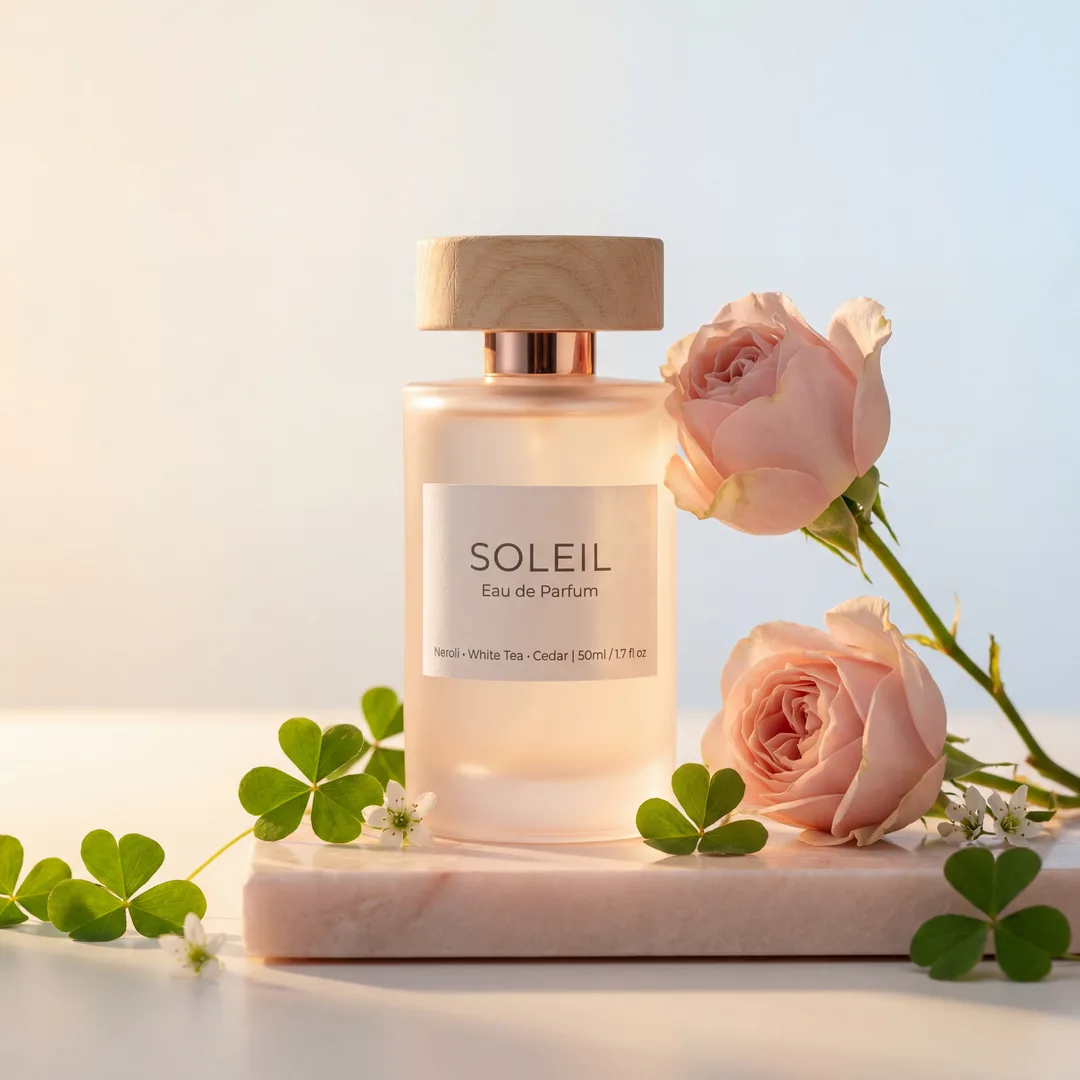
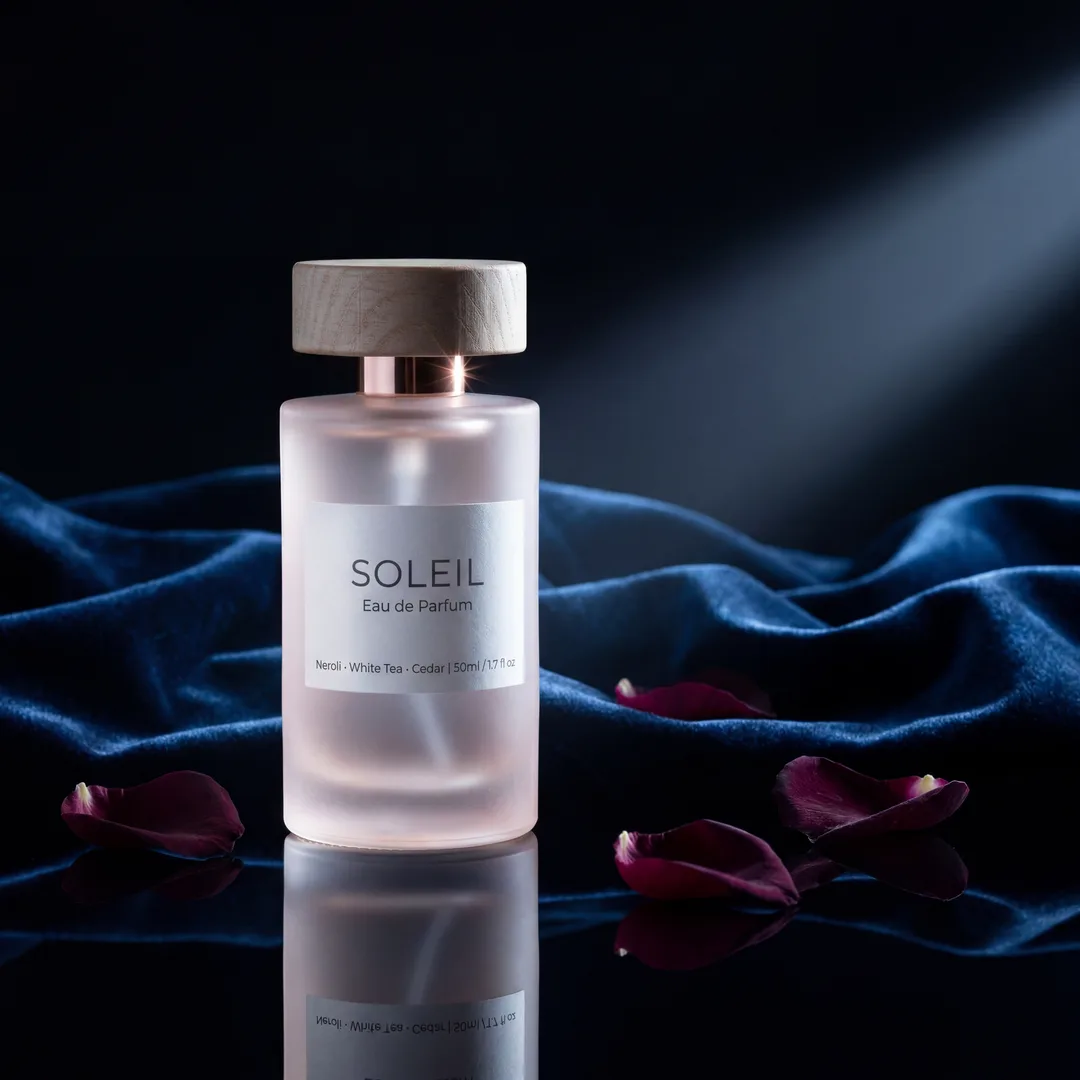
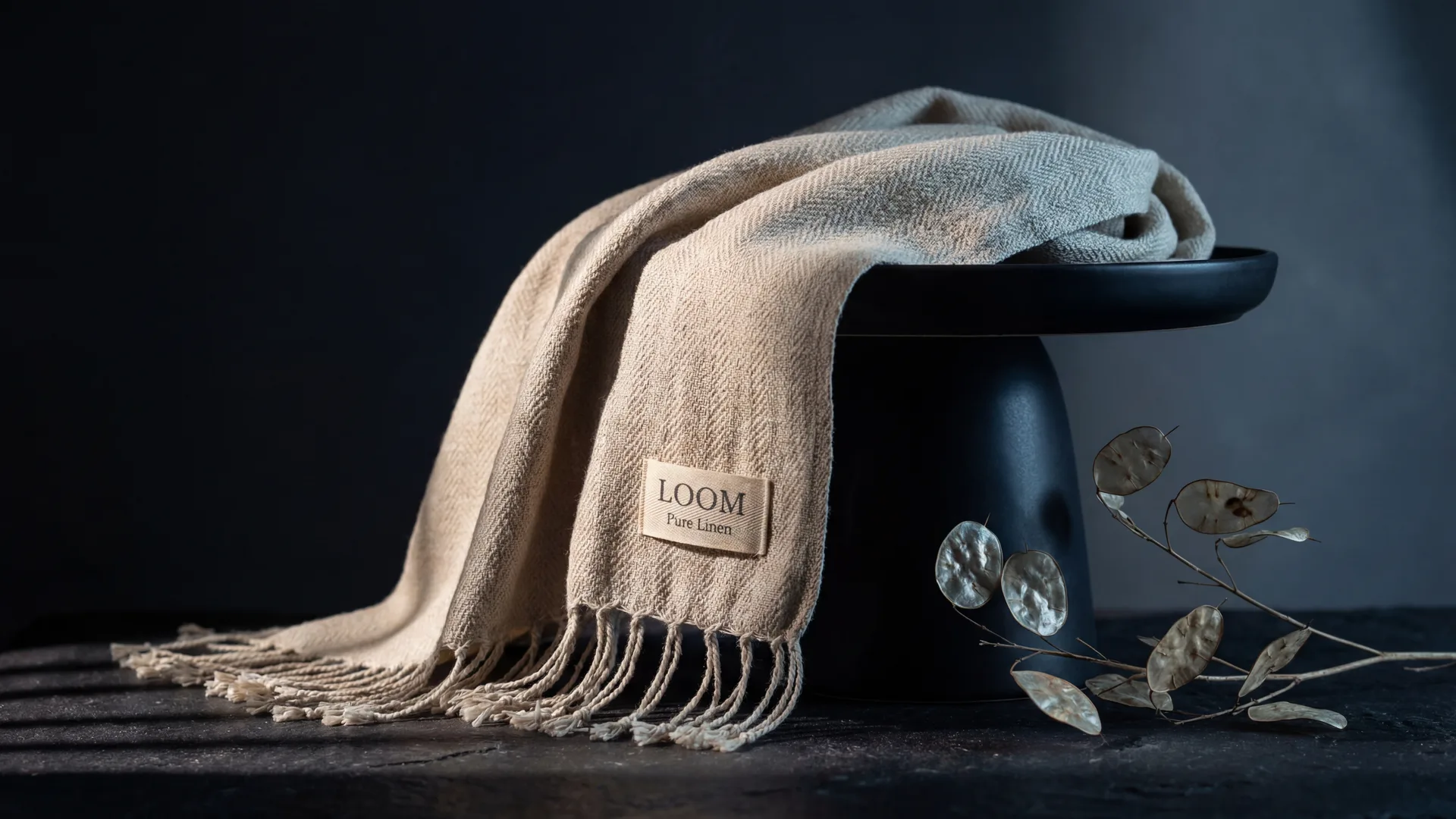
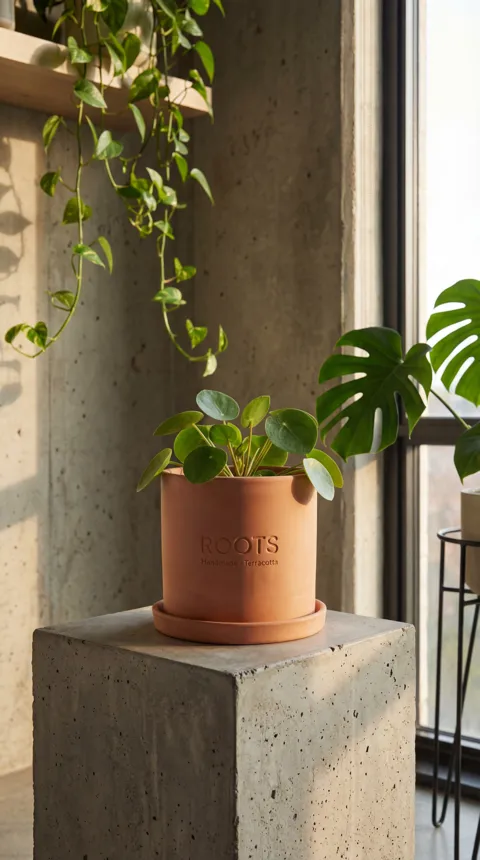
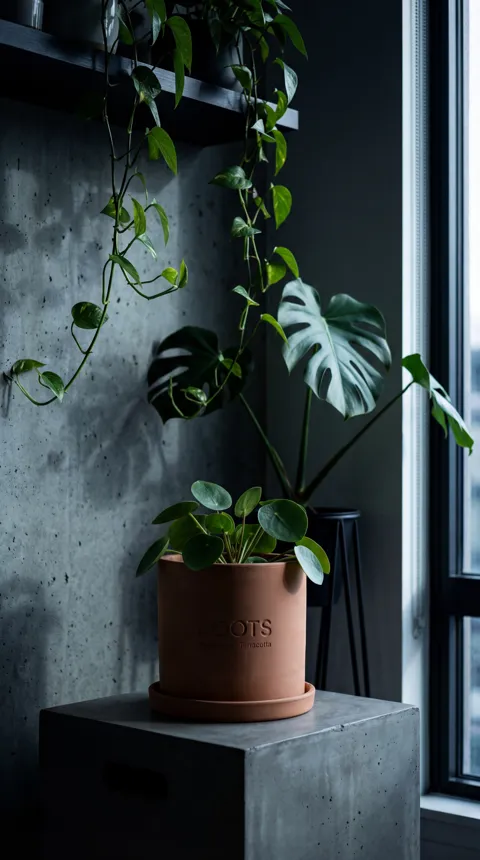
The most significant advantage of AI for crafting product photos is its ability to transform basic product shots into captivating lifestyle images. Simply by pasting a product URL, platforms can use AI to generate stunning lifestyle marketing photos that showcase your supplies in action or in aspirational settings. This means you can display a skein of yarn elegantly draped over knitting needles, or a selection of paint tubes laid out on an artist's palette, all without ever touching a physical prop or hiring a professional stylist. This capability is invaluable for inspiring DIY material images, allowing buyers to envision the creative possibilities your products offer.
Tips for Preparing Craft Supplies Products for Photography
Even with the power of AI at your fingertips, a little preparation goes a long way in ensuring the best possible outcome. The principle here is "garbage in, garbage out"; a good starting image will always yield superior AI-enhanced results.
Cleanliness is Key
Before taking your initial product photo, ensure your craft supplies are spotless. Dust, fingerprints, stray fibers, or smudges will be magnified in high-resolution images, and while AI can clean up minor imperfections, starting with a pristine product is always best. Use lint-free cloths, soft brushes, or even compressed air to remove any debris.
Mind the Background for Your Base Photo
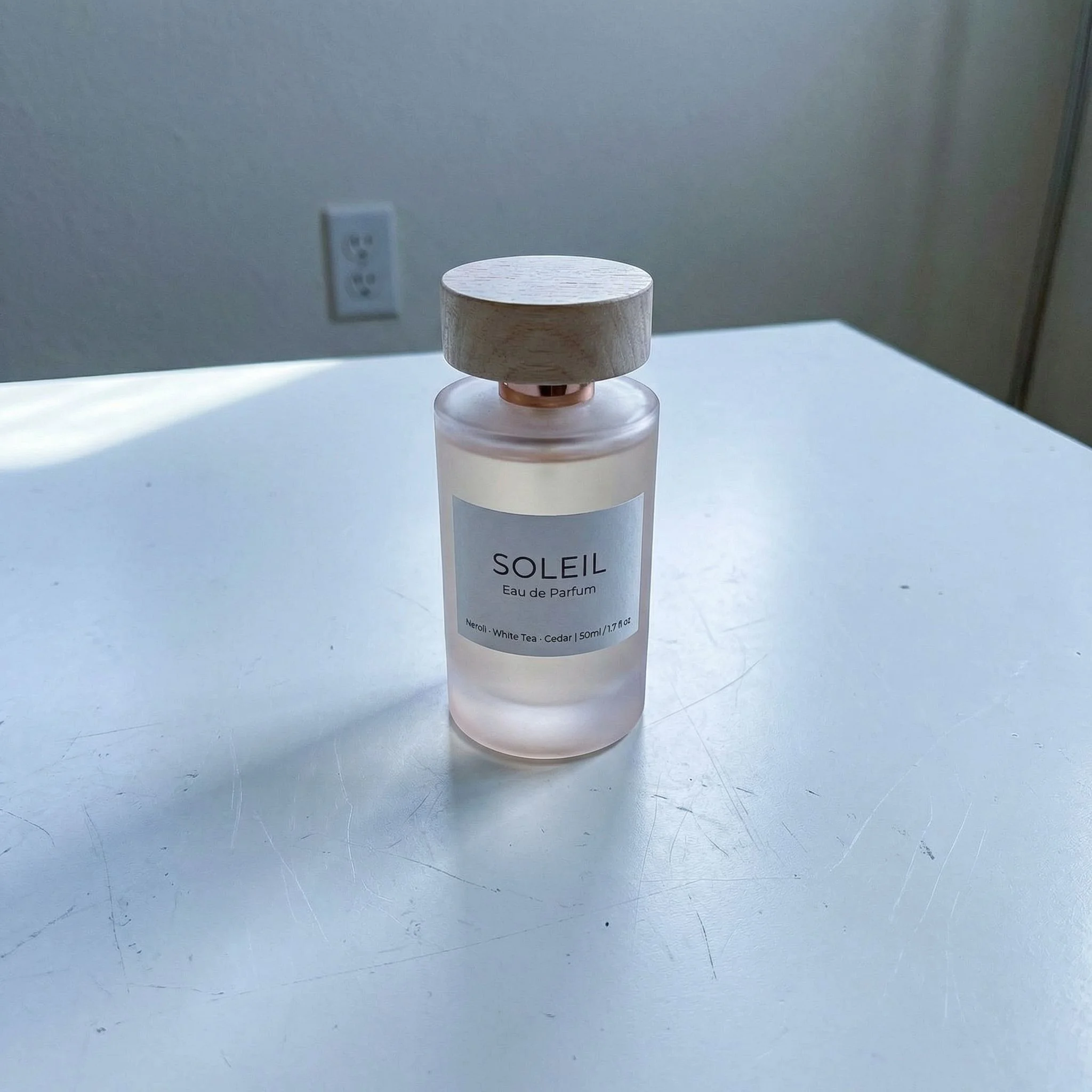
While AI will replace your background, a neutral, well-lit background for your initial shot provides the AI with the clearest possible subject to work with. A plain white, gray, or black backdrop allows for easy object segmentation by the AI, ensuring a clean cutout of your product. Avoid overly busy or reflective surfaces for your source image.
Consistent Initial Lighting
Aim for even, soft lighting on your product when taking your base photo. Natural light near a window (on an overcast day or with diffused direct sun) often works well. Avoid harsh shadows or strong glares that obscure details, as these can make it harder for the AI to accurately interpret your product's shape and texture.
Multiple Angles and Focus
Take several shots from different angles – front, back, sides, and a close-up to highlight unique features or textures. Ensure each shot is in sharp focus, capturing all the intricate details. Even if you only use one angle for the AI generation, having options can be beneficial.
Platform-Specific Requirements for Listing Craft Supplies Products
Understanding the image requirements of popular e-commerce platforms is crucial for ensuring your AI-generated photos are optimized for success. Adhering to these guidelines ensures your listings look professional and load quickly.
Etsy
Etsy, a hub for handmade and craft supplies, emphasizes clear, bright photos. They recommend images that are at least 2000 pixels on the shortest side, with a resolution of 72 PPI. The ideal aspect ratio is 4:3 or 5:4. Etsy encourages sellers to use up to 10 photos per listing, including close-ups, scale shots, and lifestyle images. AI-generated lifestyle scenes are perfect for meeting Etsy's emphasis on inspirational imagery.
Amazon
Amazon has strict technical requirements, especially for main product images. These typically need to be on a pure white background (RGB 255, 255, 255), at least 1000 pixels on the longest side to enable zoom functionality (ideally 1600 pixels or more), and have a 1:1 aspect ratio. Additional images can be lifestyle shots or show product features. AI tools can easily produce the required white background photos and then generate diverse lifestyle options for secondary images.
Shopify
Shopify offers more flexibility but generally recommends high-resolution images for a professional look, typically 2048 x 2048 pixels for square images, or any aspect ratio up to 4472 pixels on the longest side. They support various image types, encouraging sellers to use compelling visuals to tell their product's story. AI-generated crafting product photos can be perfectly tailored to Shopify's adaptable themes, providing both crisp product shots and engaging scene templates.
How Photone AI's Style System Helps Maintain Visual Consistency Across Your Craft Supplies Catalog
Maintaining a cohesive visual identity across a large catalog of varied craft supplies can be incredibly challenging. Different products might require different staging, lighting, or moods. This is where Photone AI's unique "Reusable Styles" system shines.
Imagine you sell different types of yarn. You might want a warm, cozy, rustic aesthetic for your wool blends and a bright, modern, minimalist look for your cotton yarns. With Photone AI, you can define these specific photography templates, encoding everything from the background scene and lighting mood to the overall composition and color palette. Once created, these styles can be saved and reapplied with a single click to entire batches of products. This ensures that every item within a speci...
Platform Requirements
| Platform | Requirements |
|---|---|
| Etsy | Minimum 2000px on shortest side, 4:3 or 5:4 aspect ratio, up to 10 photos including lifestyle. |
| Amazon | Main image on pure white background (RGB 255, 255, 255), at least 1000px on longest side, 1:1 aspect ratio. |
| Shopify | High-resolution images recommended (e.g., 2048x2048px for square), various aspect ratios supported, compelling visuals. |
Frequently Asked Questions
Is AI product photography suitable for very small craft items like beads or charms?+
Absolutely. AI is excellent at highlighting intricate details and can generate contextual scenes that help convey the scale of very small items without requiring complex macro photography setups. Just ensure your initial product photo is as clear and in-focus as possible.
How does AI ensure accurate color representation for craft supplies?+
AI algorithms analyze the original image and apply intelligent color correction, white balance, and exposure adjustments to render colors as true-to-life as possible. This process is consistent across all images, reducing variations that can occur with manual photography and editing.
Can I control the style and background of my AI-generated craft photos?+
Yes, platforms like Photone AI offer 'Reusable Styles' where you can define specific photography templates including mood, lighting, composition, and color palette. You have significant control over the final aesthetic, allowing you to match your brand's unique identity.
Will AI-generated lifestyle photos look artificial or generic?+
Modern AI photography has advanced significantly. While results can vary, platforms use sophisticated rendering to create highly realistic and diverse scenes. With careful selection of styles and prompts, you can achieve unique and inspiring lifestyle images that avoid a generic look, often indistinguishable from traditionally shot photos.
Is AI product photography cost-effective compared to hiring a professional photographer?+
For many craft supplies sellers, especially small businesses, AI photography is significantly more cost-effective. It eliminates the need for expensive equipment, studio rentals, stylists, and photographer fees, offering professional-quality results at a fraction of the traditional cost, on an ongoing basis.
How long does it take to get AI-generated photos for my craft products?+
One of the major benefits of AI photography is speed. Platforms like Photone AI can transform a product URL into multiple professional lifestyle photos in as little as 60 seconds, drastically reducing the time it takes to get listings ready.
Do I still need to take my own product photos if I use AI?+
Yes, you'll still need to provide a good quality base photo of your product (often a simple white background shot). The AI then uses this base image to generate new backgrounds, styles, and scenes. The better your initial photo, the better the AI's final output will be.