
Mastering the Visual Feast: An Expert Guide to AI Product Photography for Food & Beverages
Elevate your food and beverage brand with AI-powered photography. Overcome common challenges, ensure consistency, and captivate customers online.
Why Professional Product Photos are Non-Negotiable for Food & Beverages Sellers
In the competitive world of food and beverages, a picture isn't just worth a thousand words – it's often worth a thousand sales. For sellers in this delectable category, high-quality, professional product photography is the single most critical element in capturing consumer attention and driving purchases. Unlike clothing or electronics, food and beverage products appeal directly to our senses of taste, smell, and enjoyment. Since online shoppers can't physically interact with your product, your images must bridge that sensory gap.
Think about it: the first interaction a potential customer has with your gourmet coffee, artisan bread, craft beer, or organic snack is almost always visual. A mouth-watering image can evoke feelings of freshness, quality, and deliciousness, translating directly into desire. Conversely, poorly lit, amateurish photos can instantly raise doubts about the product's quality, even if it's the finest delicacy. Professional food product photography builds trust, communicates your brand's essence, highlights key features, and ultimately, significantly boosts conversion rates. It’s an investment that pays dividends by transforming browsers into loyal customers.
The Unique Culinary Canvas: Common Photography Challenges Specific to Food & Beverages Products
Photographing food and beverages presents a distinct set of hurdles that can frustrate even seasoned photographers. These challenges often require specialized equipment, techniques, and a keen eye for detail. When tackling food product photography and beverage photography ai, sellers frequently encounter:
Reflections and Glare
Beverage bottles, jars of preserves, and many types of food packaging are often made of glass, plastic, or shiny foil. These reflective surfaces are notorious for catching harsh studio lights, creating distracting glare, and reflecting unwanted elements from the environment. Achieving a clean, professional shot without these visual imperfections demands precise lighting control and often, sophisticated post-production.
Texture and Detail
From the flaky crust of a pie to the vibrant fizz of a sparkling drink, the texture of food and beverages is crucial to its appeal. Capturing these intricate details – the glistening glaze on a donut, the creamy swirl in a dessert, or the condensation on a cold bottle – requires sharp focus, appropriate depth of field, and lighting that accentuates rather than flattens these characteristics. Missing these details can make a product look unappetizing or generic.
Color Accuracy and Freshness
Food and beverages rely heavily on their natural colors to convey freshness, flavor, and quality. A vibrant red strawberry, a golden-brown baked good, or a rich green smoothie all need to be depicted accurately. Inaccurate color representation due to poor white balance or inconsistent lighting can make products appear stale, artificial, or unappetizing, misleading consumers about their true quality.
Scale and Proportion
Whether it's a tiny spice jar, an individual portioned dessert, or a large family-sized meal, conveying the correct scale of a food product can be challenging. Without a point of reference, customers might misjudge the size, leading to disappointment upon delivery. This is particularly important for food packaging photos where the product itself might be small but the packaging needs to be presented effectively.
Perishability and Time Sensitivity
Unlike durable goods, many food items are perishable. This creates a tight window for photography, especially for fresh produce, prepared meals, or items that melt or wilt quickly. The pressure to get the shot right before the food loses its appeal adds a layer of stress and often increases costs associated with food styling and multiple takes.
Achieving the Right Atmosphere and Mood
Food isn't just sustenance; it's an experience. Capturing the right atmosphere – be it rustic charm, gourmet elegance, or casual comfort – through staging, props, and lighting is vital. Inconsistent moods across a product line can dilute a brand's identity.
AI: The Secret Ingredient for Perfect Food & Beverage Shots
This is where AI-powered photography platforms step in, offering revolutionary solutions to the unique challenges faced by food and beverage sellers. By leveraging artificial intelligence, these tools transform basic product images into stunning, professional lifestyle shots, efficiently and affordably.
Overcoming Reflective Surfaces with Ease
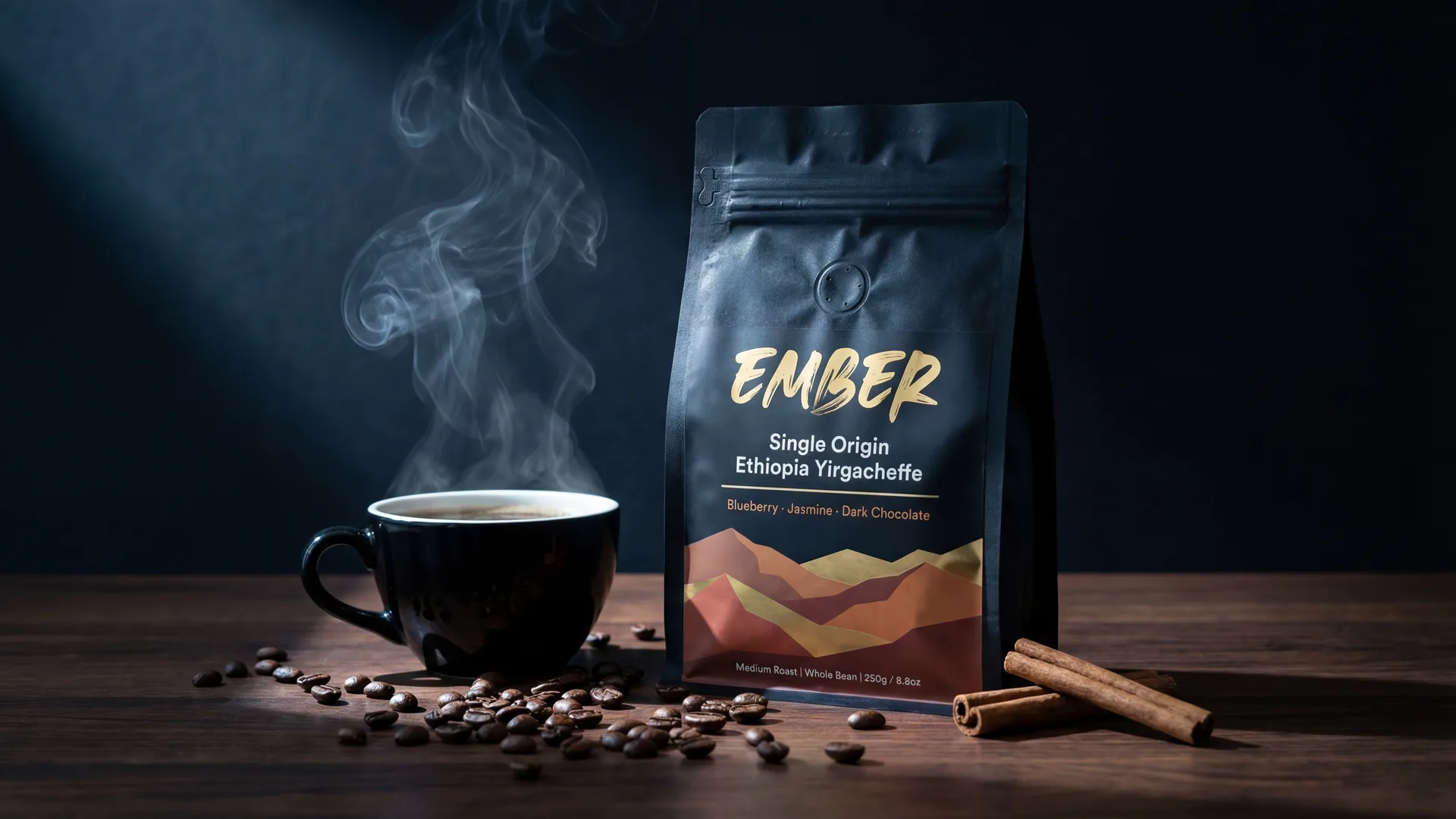
AI algorithms can intelligently identify and remove unwanted reflections and glare from glass bottles, shiny packaging, and metallic elements. Instead of complex lighting setups, AI can generate clean, consistent, and appealing visuals that make your beverage photography ai truly shine. It can even add natural-looking highlights where appropriate, enhancing the product's appeal without looking artificial.
Capturing Intricate Textures and Details
Advanced AI can analyze an image and enhance subtle textures, making a crumbly cookie look more inviting or the condensation on a chilled drink appear perfectly refreshing. It accentuates the visual cues that trigger appetite, ensuring your food products look as delicious as they taste, all without manual retouching.
Ensuring True-to-Life Colors and Freshness
AI's ability to perform sophisticated color correction and white balance adjustments means your food and beverage products will always appear with accurate, vibrant, and appetizing colors. This is crucial for conveying freshness and quality, allowing you to present your products truthfully and enticingly. Your juicy berries will look perfectly ripe, and your roasted coffee beans will display their rich, inviting hue.
Mastering Scale, Composition, and Scene Setting
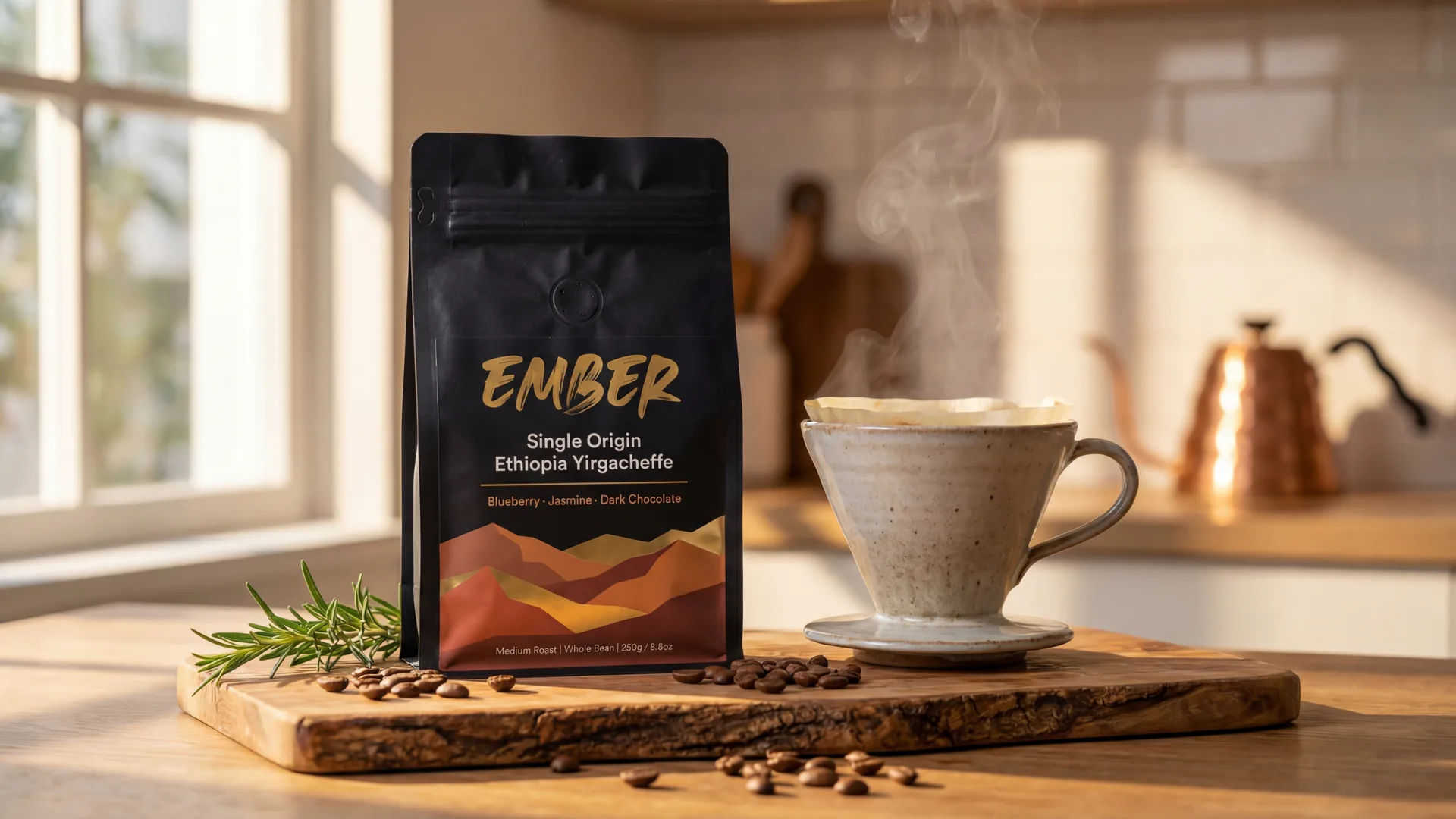
One of the most powerful applications of AI is its ability to generate realistic and compelling backgrounds and scenes. For food product photography, this means effortlessly placing your product in a breakfast nook, a gourmet kitchen, a picnic setting, or a bustling cafe. AI can automatically adjust the perceived scale of your product within the new scene, ensuring it looks natural and proportionate. Platforms like Photone AI utilize their URL-to-photo pipeline to take a simple product image and transform it into a lifestyle shot with appropriate scale and composition in about 60 seconds, saving immense time and resources.
Efficiency and Cost Savings Beyond Measure
Traditional food photography is expensive, time-consuming, and logistically complex. AI eliminates the need for professional studios, food stylists, extensive equipment, and long post-production hours. It democratizes high-quality visuals, allowing even small businesses to compete with larger brands on aesthetic appeal. You can iterate on ideas, test different styles, and generate vast quantities of unique images for various marketing channels without incurring prohibitive costs or delays.
Preparing Your Culinary Delights for Their AI Close-Up
While AI works wonders, the quality of its output still benefits greatly from a good starting point. Here are some tips for preparing your food and beverage products for AI photography:
- Cleanliness is Key: Ensure all packaging, bottles, and labels are spotlessly clean, free from dust, smudges, or fingerprints. A clean base image allows the AI to focus on enhancing the product, not correcting flaws.
- Optimal Product Condition: If it's a fresh food item, photograph it at its peak freshness. For packaged goods, ensure labels are perfectly aligned and packaging is undamaged. Small imperfections can be corrected by AI, but starting with the best possible product reduces processing time and improves final quality.
- Good Initial Lighting: While AI can correct and enhance, providing a well-lit initial product photo (even against a plain background) gives the AI more information to work with, leading to superior results. Natural, diffused light is often ideal.
- High-Resolution Source Image: Always start with the highest resolution image you can capture. More pixels mean more data for the AI to analyze and manipulate, resulting in sharper, more detailed final lifestyle photos.
- Simple, Neutral Background (Initially): For the initial product shot, a clean white or neutral background is often best. This helps the AI isolate your product cleanly before placing it into a rich, complex lifestyle scene.
Platform-Specific Pointers for Selling Food & Beverages Online
Different e-commerce platforms have specific image requirements that can impact how you prepare and present your food packaging photos.
- Amazon: Requires product images to be at least 1000 pixels on the longest side (for zoom functionality). The main product image must have a pure white background (RGB 255, 255, 255) and the product should fill at least 85% of the image area. Lifestyle shots are allowed as secondary images but not for the primary slot.
- Shopify: Recommends images around 2048 x 2048 pixels for square images, with a maximum file size of 20MB. While less rigid than Amazon, high-resolution, professional images are crucial for storefront appeal. Multiple angles and lifestyle shots are highly encouraged.
- Etsy: Favors a handmade, artisanal aesthetic, often encouraging lifestyle shots that convey the story and effort behind the product. Recommended image size is 2000px on the shortest side, with a 5:4 aspect ratio often working well for listings. Consistency in style and quality across your shop is highly valued.
AI product photography can easily adapt to these varied requirements. For Amazon, you can generate crisp white background shots, while for Shopify and Etsy, you can create a diverse array of lifestyle images to showcase your products in engaging contexts.
Crafting a Cohesive Brand Story: The Power of Styles and Visual Consistency with AI
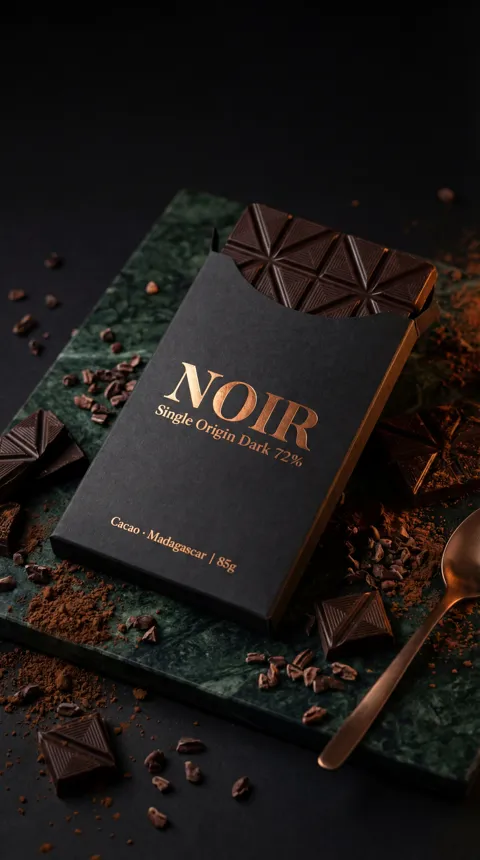
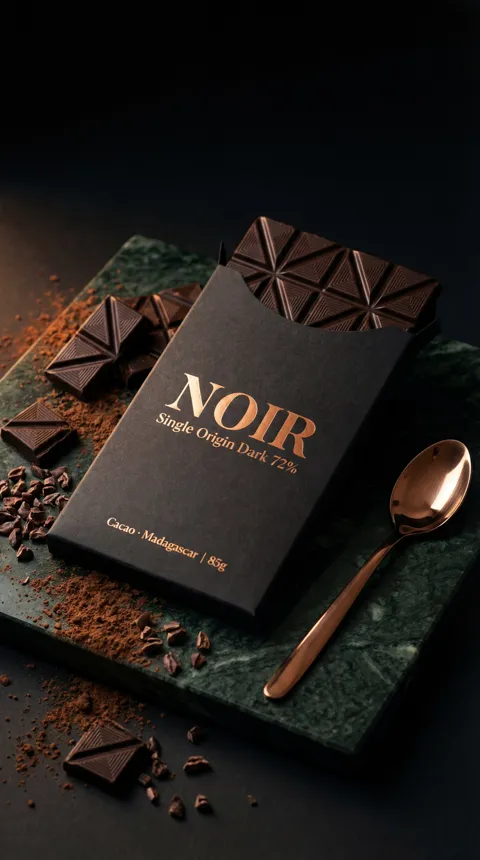
One of the biggest challenges for growing food and beverage brands is maintaining a consistent visual identity across an expanding catalog. A unifo...
Platform Requirements
| Platform | Requirements |
|---|---|
| Amazon | Minimum 1000px on longest side, pure white background (RGB 255, 255, 255) for main image, product fills ~85% of frame. |
| Shopify | Recommended 2048x2048px for square images, max 20MB file size. High resolution and lifestyle shots encouraged. |
| Etsy | Minimum 2000px on shortest side, 5:4 aspect ratio recommended. Lifestyle shots and consistent brand aesthetic are highly valued. |
Frequently Asked Questions
Is AI food photography ethical if it enhances the product's appearance?+
AI food photography focuses on presenting your product in its best, most appealing light, much like traditional food styling and professional photography. The goal is to overcome common photography challenges (like poor lighting or reflections) to accurately represent your product's quality and appeal, not to misrepresent or deceive consumers about its actual attributes. Ethical use involves enhancing presentation without altering the product's fundamental characteristics.
Can AI make my food products look 'too perfect' or unnatural?+
Modern AI photography platforms are designed to create realistic and natural-looking images. While AI can certainly perfect aspects like lighting and background, the intent is to produce a polished image that still feels authentic. High-quality platforms offer control over style and intensity, allowing you to achieve a professional finish without venturing into an 'over-processed' or unnatural aesthetic.
How do I ensure the AI understands the specific mood or aesthetic I want for my food brand?+
Many AI platforms, including Photone AI, offer 'Style' systems or templates. These allow you to select or create a consistent visual identity that encodes mood, lighting, composition, and color palette. Some advanced systems can even perform 'Brand DNA extraction' to analyze your existing visuals and suggest styles that align with your current aesthetic, ensuring your new photos perfectly match your brand vision.
What kind of initial product image works best for AI-powered food photography?+
For optimal results, start with a clean, well-lit, high-resolution photo of your product against a simple, neutral background (like white or grey). Ensure the product itself is in its best condition—clean, fresh, and free from smudges or damage. The clearer the initial image, the better the AI can isolate your product and generate a stunning lifestyle scene around it.
How quickly can I get new product photos using AI for my food and beverage line?+
One of the major advantages of AI photography is speed. Platforms like Photone AI can transform a product URL or uploaded image into professional lifestyle photos in as little as 60 seconds. This drastically reduces the turnaround time compared to traditional photography, allowing you to quickly update your listings, launch new products, or refresh your marketing campaigns.
Is AI food photography suitable for highly specialized or niche food products?+
Absolutely. AI is highly versatile. Whether you're selling exotic ingredients, bespoke baked goods, specific dietary products, or unique craft beverages, AI can generate custom scenes and styles that perfectly complement your niche. The ability to create specific scene templates ensures your specialized products are showcased in relevant and appealing contexts.
What are the cost implications compared to traditional photography for a small F&B business?+
AI photography significantly reduces costs. Traditional shoots involve hiring photographers, stylists, renting studios, and purchasing props, often costing hundreds to thousands per shoot. AI platforms typically operate on subscription models or credit systems (like Photone AI's Free tier, Starter, Pro, and Scale plans), making high-quality photography accessible and scalable for businesses of all sizes, often at a fraction of the traditional cost.