

Transforming Furniture Sales: The Definitive Guide to AI Product Photography
Discover how AI-powered photography revolutionizes furniture e-commerce, overcoming common challenges like scale, texture, and staging to create stunning lifest
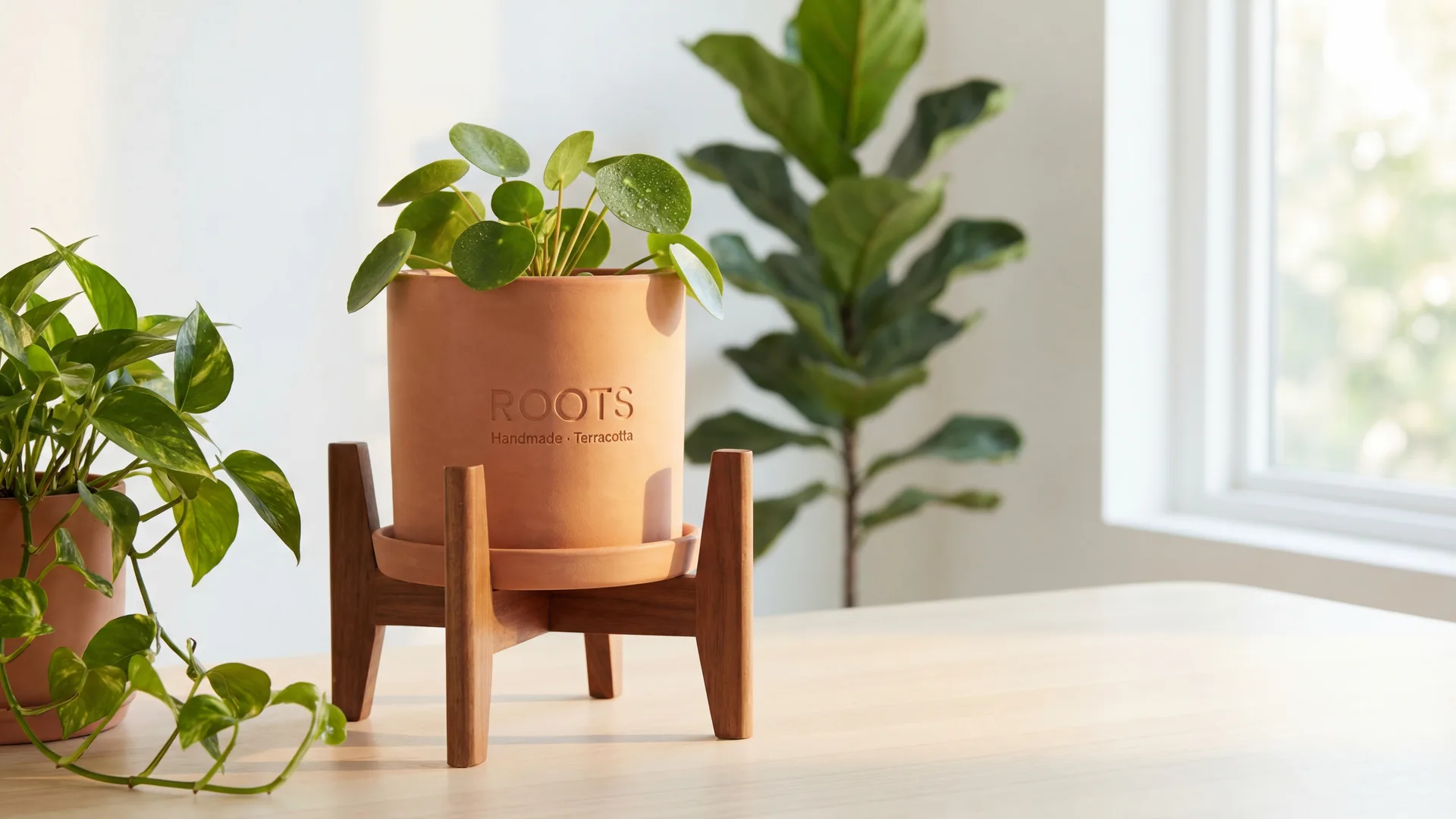
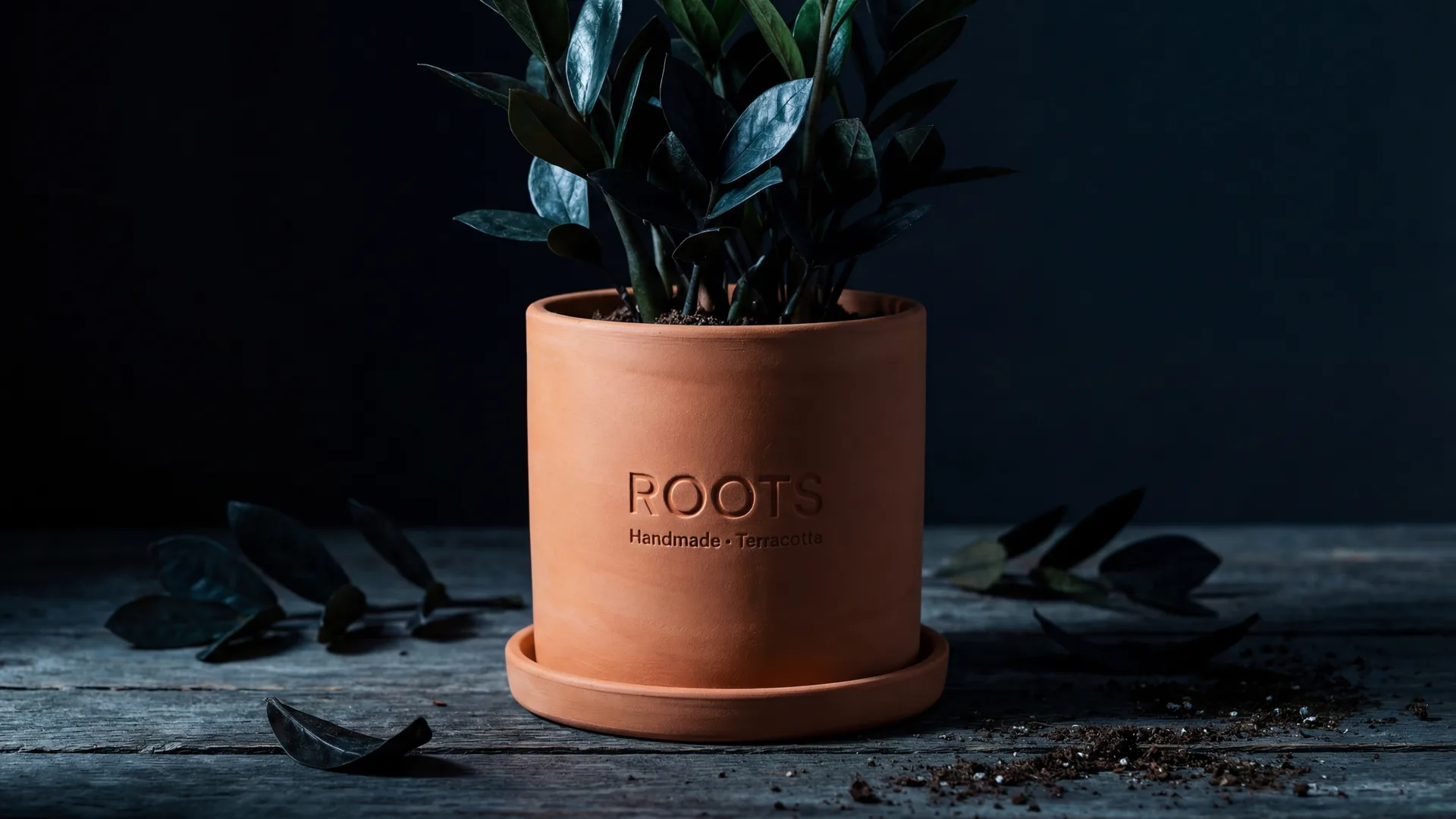
In the highly visual world of e-commerce, nowhere are professional, compelling images more crucial than in the furniture category. Unlike smaller, simpler products, furniture pieces represent significant investments and become central to a buyer's living space. Shoppers aren't just buying an object; they're envisioning a lifestyle, a feeling, and a perfectly scaled addition to their home.
Yet, traditional furniture photography is notoriously complex, expensive, and time-consuming. This is where AI-powered product photography steps in, offering a revolutionary solution that not only tackles these entrenched challenges but also opens up new avenues for creativity and consistency.
Why Professional Product Photos Matter for Furniture Sellers
For furniture e-tailers, images aren't just supplementary; they are the primary sales tool. A buyer cannot physically touch, sit on, or walk around a piece of furniture online. Their entire perception, from quality to comfort to scale, rests on the visual presentation. Here’s why investing in superior photography is non-negotiable:
Building Trust and Credibility
High-quality, professional images signal professionalism and attention to detail, directly translating into trust. If a product looks cheap or poorly photographed, buyers subconsciously question its quality, regardless of the actual craftsmanship.
Visualizing Scale and Fit
Furniture dimensions can be hard to grasp from a simple measurement. Lifestyle photos that show a sofa in a living room, a dining table set, or a desk in a home office allow customers to mentally place the item in their own space, helping them gauge its size and fit more accurately. This reduces buyer's remorse and, consequently, returns.
Conveying Style and Mood
Furniture isn't just functional; it defines the aesthetic of a room. Images must capture the intended mood – be it modern minimalism, rustic charm, or opulent luxury. A well-styled lifestyle shot creates an emotional connection, making the product more desirable.
Reducing Returns
Ambiguous or inaccurate product photos are a leading cause of returns in e-commerce, a particularly costly issue for large, bulky furniture items. Clear, detailed, and context-rich images ensure customers have a precise understanding of what they're buying, leading to higher satisfaction and fewer logistical headaches.
Common Photography Challenges Specific to Furniture Products
The unique characteristics of furniture present a host of photographic hurdles that most other product categories don't encounter:
Scale and Proportion
Accurately conveying the true size of a large item like a sectional sofa or a king-size bed in a two-dimensional image is incredibly difficult. Without contextual elements, a chair can look enormous or tiny.
Reflections and Glare
Many furniture pieces feature reflective surfaces – polished wood, glass tabletops, metallic accents, or mirrored finishes. These surfaces are magnets for unwanted reflections of the studio, lighting equipment, or even the photographer themselves, creating distracting glare and obscuring details.
Texture and Material Accuracy
The tactile experience is paramount with furniture. Buyers want to know if a fabric is plush or coarse, if wood grain is smooth or textured, or if leather is supple or stiff. Capturing these nuances visually in a photo requires expert lighting and high-resolution imaging.
Color Accuracy
Colors are critical in home decor. A slight shift in the shade of grey, blue, or beige can make or break a purchase decision. Ensuring colors in photographs precisely match the physical product, under varying lighting conditions, is a persistent challenge.
Logistics of Staging
Traditional furniture photography demands vast studio spaces, expensive props, professional stylists, and often, physical models. Moving heavy, bulky furniture pieces into elaborate sets is labor-intensive, time-consuming, and expensive, especially for a large catalog.
Consistent Lighting and Angles
Maintaining uniform lighting and consistent angles across an entire product line is crucial for brand cohesion. This is difficult to achieve manually, leading to visual disparities that can undermine a brand's professional image.
How AI-Powered Photography Solves These Challenges
AI-powered product photography is a game-changer for furniture sellers, directly addressing the complexities and costs associated with traditional methods. By leveraging advanced algorithms, AI platforms can virtually eliminate many of these obstacles:
Virtual Staging: Endless Possibilities, Zero Logistics
Instead of expensive physical sets, AI allows you to place your furniture item into virtually any conceivable environment. From minimalist urban lofts to cozy farmhouses, AI can generate highly realistic lifestyle scenes that match your product's aesthetic and target audience. This eliminates the need for studio rentals, prop purchases, and the arduous task of moving heavy furniture, drastically cutting costs and turnaround times. The URL-to-photo pipeline of platforms like Photone AI makes this incredibly efficient; simply paste a product URL, and AI crafts beautiful lifestyle photos in moments.
Consistent Lighting, Composition, and Scale
AI algorithms can generate images with perfectly calibrated lighting, ensuring every detail is visible without harsh shadows or distracting glare. They can also ensure consistent composition and accurate scale representation by automatically integrating the furniture piece into a scene with appropriate contextual objects, helping customers visualize dimensions more accurately.
Enhanced Texture and Color Accuracy
Advanced AI models are trained on vast datasets, enabling them to render textures and materials with incredible realism – from the intricate weave of a fabric to the natural grain of wood. Furthermore, AI can maintain consistent color profiles, ensuring that the hues in your product photos accurately reflect the real-world items, enhancing buyer confidence.
Speed and Cost Efficiency
What used to take days or weeks and thousands of dollars can now be accomplished in minutes for a fraction of the cost. AI automates the most labor-intensive parts of the process, allowing sellers to generate a high volume of diverse, professional images quickly and affordably. This is especially beneficial for businesses with extensive catalogs or those frequently updating their product lines.
Tips for Preparing Furniture Products for Photography
Even when using AI for image generation, the quality of your initial product photo matters significantly. A good base image allows the AI to work with clearer data, resulting in superior final outputs. Here are essential preparation tips:
Cleanliness is Key
Ensure your furniture piece is spotless. Dust, fingerprints, smudges, and debris will be visible in high-resolution images and can be difficult or impossible for AI to flawlessly remove. Give it a thorough cleaning and polishing.
Assemble Completely and Correctly
If the furniture requires assembly, ensure it is put together perfectly. Crooked parts, missing screws, or misaligned panels will detract from the final image, even after AI processing.
Remove Tags and Labels
Before photographing, remove any price tags, manufacturing labels, or stickers that are not intended to be part of the product's final look. These can be distracting and require additional editing.
Good Base Photo
Take a clean, well-lit photo of your product against a simple, neutral background (a white wall or backdrop works best). Ensure the product is in focus, well-exposed, and captured from a straightforward angle. This provides the AI with the best possible foundation to create stunning lifestyle scenes.
Platform-Specific Requirements for Listing Furniture Products
Different e-commerce platforms have specific image guidelines that furniture sellers must adhere to. Meeting these requirements is crucial for visibility and compliance:
Amazon
- Main Image: Must have a pure white background (RGB 255, 255, 255). The product should fill at least 85% of the image frame. High resolution (minimum 1000 pixels on the longest side) for zoom functionality.
- Additional Images: Can include lifestyle shots, detail shots, alternate angles, and images showing scale (e.g., with a person). Ensure all images are professional and accurate.
Wayfair
- Lifestyle Images: Strongly encourages high-quality lifestyle photography to help customers envision furniture in their homes.
- Detailed Shots: Close-ups of fabric, wood grain, hardware, and unique features are essential.
- Dimensions and Specifications: Often requires images or diagrams explicitly showing product dimensions, including height, width, and depth.
- No Watermarks: Images should be clean, without watermarks or overlaid text.
Shopify Stores
- Branding Consistency: While less rigid than marketplaces, Shopify sellers should prioritize consistent branding across all images. Images should reflect the store's aesthetic and quality standards.
- High-Resolution: Optimize for fast loading times while maintaining high resolution for detailed viewing.
- Variety: A mix of clean product shots, lifestyle images, and detail shots is recommended for a comprehensive product page.
How Photone AI's Style System Helps Maintain Visual Consistency Across a Furniture Catalog
One of the most significant challenges for furniture brands with extensive catalogs is maintaining a consistent visual identity across hundreds or even thousands of products. Photone AI's innovative Style system is specifically designed to tackle this, ensuring brand coherence and a polished, professional look throughout your entire collection.
Reusable Styles: Encoding Your Brand Aesthetic
Photone AI's "Reusable Styles" are powerful photography templates that go beyond simple filters. They encode a comprehensive set of visual parameters, including mood, lighting, composition, and color palette. For a furniture seller, this means you can define a specific style – perhaps 'Modern Minimalist...


Platform Requirements
| Platform | Requirements |
|---|---|
| Amazon | Pure white background for main image, product fills 85%+ of frame, high resolution (1000px longest side) for zoom. |
| Wayfair | Strong emphasis on lifestyle images, detailed shots, explicit dimension diagrams, no watermarks. |
| Shopify Stores | Consistent branding and aesthetic, high-resolution images, mix of product and lifestyle shots. |
Frequently Asked Questions
How accurate are AI-generated furniture images in terms of real-world appearance?+
AI-generated images for furniture are highly accurate. Modern AI models are trained on vast datasets of real-world images, allowing them to render textures, colors, and lighting with exceptional realism. While a physical inspection can reveal micro-details, AI photos provide a highly reliable representation for online viewing.
Can AI photography truly replace traditional photo shoots for furniture?+
For the vast majority of e-commerce needs, AI photography can effectively replace traditional photo shoots, especially for creating lifestyle and context shots. It excels in delivering variety, consistency, and speed at a fraction of the cost. While unique, high-end artistic campaigns might still benefit from traditional methods, AI is the dominant solution for catalog photography.
What kind of input photo do I need to use AI for my furniture products?+
You typically need a clean, well-lit, high-resolution photo of your furniture product against a simple, neutral background. The better the initial product photo, the better the AI can isolate the product and integrate it seamlessly into new scenes. Photone AI's URL-to-photo pipeline can even start with an existing product image directly from your online store.
How does AI handle unique furniture textures like velvet or distressed wood?+
Advanced AI models are proficient at rendering complex textures. They analyze the input image and apply sophisticated algorithms to recreate the visual characteristics of materials like velvet's sheen, the intricate grain of wood, or the weathered look of distressed finishes, ensuring a realistic and appealing representation.
Is AI photography cost-effective for small furniture businesses?+
Absolutely. AI photography drastically reduces the need for expensive studio rentals, props, professional photographers, and stylists, making it incredibly cost-effective. For small businesses, it democratizes access to high-quality visuals, allowing them to compete with larger brands without a prohibitive budget.
Can I customize the scenes or styles for my furniture with AI?+
Yes, platforms like Photone AI offer extensive customization options. You can often select from a library of scene templates, specify desired moods (e.g., 'bright and airy', 'moody and sophisticated'), choose specific lighting conditions, and even provide text prompts to guide the AI in generating unique environments tailored to your brand and product.