
Mastering Handbags & Accessories Photography with AI: A Comprehensive Guide
Discover how AI-powered photography transforms product images for handbags and accessories, overcoming common challenges to create stunning lifestyle shots.
In the bustling world of e-commerce, where visual appeal reigns supreme, product photography is often the silent salesperson. For sellers in the Handbags & Accessories category, this couldn't be truer. A stunning image doesn't just showcase an item; it tells a story, evokes emotion, and builds trust. As the digital landscape evolves, artificial intelligence is emerging as a game-changer, offering unprecedented opportunities to elevate your visual marketing without the traditional overhead.
Why Professional Product Photos Are Non-Negotiable for Handbags & Accessories Sellers
For products like handbags, wallets, jewelry, scarves, and watches, the visual presentation isn't just important—it's everything. Unlike items where functionality is the primary draw, accessories are about style, status, and self-expression. High-quality imagery serves several critical functions:
- First Impressions and Trust: A crisp, well-lit photograph instills immediate confidence in your brand. It signals professionalism and attention to detail, making a potential customer more likely to explore further.
- Highlighting Craftsmanship and Quality: Many handbags and accessories are investments, prized for their materials, stitching, and unique design elements. Professional photos allow customers to zoom in and appreciate the intricate details that justify the price point.
- Storytelling and Emotional Connection: Beyond merely displaying a product, effective photography places it within a lifestyle context. It helps customers envision themselves using the item, fostering an emotional connection that drives desire and purchase decisions.
- Standing Out in a Crowded Market: The online marketplace is saturated. Exceptional visuals are a powerful differentiator, cutting through the noise and capturing attention in a scroll-heavy environment.
- Reducing Returns: Accurate and detailed imagery minimizes misunderstandings about an item's true appearance, size, or color, leading to fewer customer disappointments and costly returns.
Common Photography Challenges Specific to Handbags & Accessories
Photographing handbags and accessories comes with its own unique set of hurdles. These products often combine complex textures, reflective surfaces, and subtle color variations, making them particularly challenging for traditional photography setups.
Capturing Intricate Details and Textures
From the luxurious grain of full-grain leather to the delicate weave of a silk scarf or the sparkle of an embedded gem, the unique textures and fine details of handbags and accessories are crucial selling points. Capturing these accurately, ensuring they appear tactile and rich in an image, requires precise lighting and high-resolution capabilities. Without it, a premium product can look flat and unappealing.
Battling Reflections and Glare
Shiny hardware—buckles, zippers, metallic logos, polished leather, or watch faces—are notorious for creating unwanted reflections and glare. These can obscure details, distract the viewer, and make a product look less professional. Managing reflections without losing the metallic sheen or making the item appear dull is a constant struggle for photographers.
Achieving Accurate Color Representation
Color is a critical decision factor for fashion accessories. A slight misrepresentation in hue can lead to customer dissatisfaction and returns. Ensuring that the vibrant red of a purse or the subtle shimmer of a silver bracelet is accurately depicted across different screens and lighting conditions is a significant technical challenge.
Showcasing Scale and Proportions
It can be difficult for customers to visualize the true size of a handbag or the length of a necklace from a static image. Without context, a clutch might appear large, or a statement earring might look dainty. Providing a sense of scale, whether through comparison shots or lifestyle images, is vital for managing customer expectations.
Styling for Lifestyle and Context
Making an accessory feel aspirational and relatable, rather than just a standalone object, requires thoughtful styling. This often involves models, props, and carefully chosen backdrops to create a lifestyle scene. These elements are costly and time-consuming, limiting the number of lifestyle variations a seller can produce.
Managing Logistics and Costs of Traditional Photoshoots
Organizing a traditional photoshoot for an extensive catalog of handbags and accessories involves considerable logistics and expense. Securing a studio, hiring photographers, stylists, models, purchasing props, and dedicating significant time to post-production editing all add up, often becoming prohibitive for small to medium-sized businesses or new product launches.
How AI-Powered Photography Solves These Handbag & Accessory Hurdles
This is where AI-powered photography platforms, like Photone AI, step in, offering innovative solutions to these long-standing challenges. By leveraging advanced algorithms, AI can transform the way sellers approach product imagery.
Eliminating Reflective Woes Intelligently
AI can analyze product surfaces and intelligently reconstruct areas affected by glare or reflections. Unlike simple retouching, AI can often remove unwanted shine while preserving the natural metallic or glossy texture, ensuring that hardware remains prominent and attractive without distracting hotspots.
Ensuring Unwavering Color Accuracy
Advanced AI algorithms are trained on vast datasets to understand and maintain true color integrity. They can adjust for varying lighting conditions in source images, providing consistent and accurate color representation that aligns closely with the physical product. This minimizes discrepancies and builds customer confidence, crucial for handbag product photography and other color-sensitive accessories.
Dynamic Scale and Contextual Placement
AI excels at understanding depth, perspective, and proportion. It can seamlessly integrate your handbag or accessory into a realistic scene, automatically adjusting its size and angle to fit naturally within the environment. This means you can show a purse being held, a watch on a wrist, or a necklace adorning a neckline, giving customers a real sense of its scale and how it would look in use.
Effortless Lifestyle Scene Generation
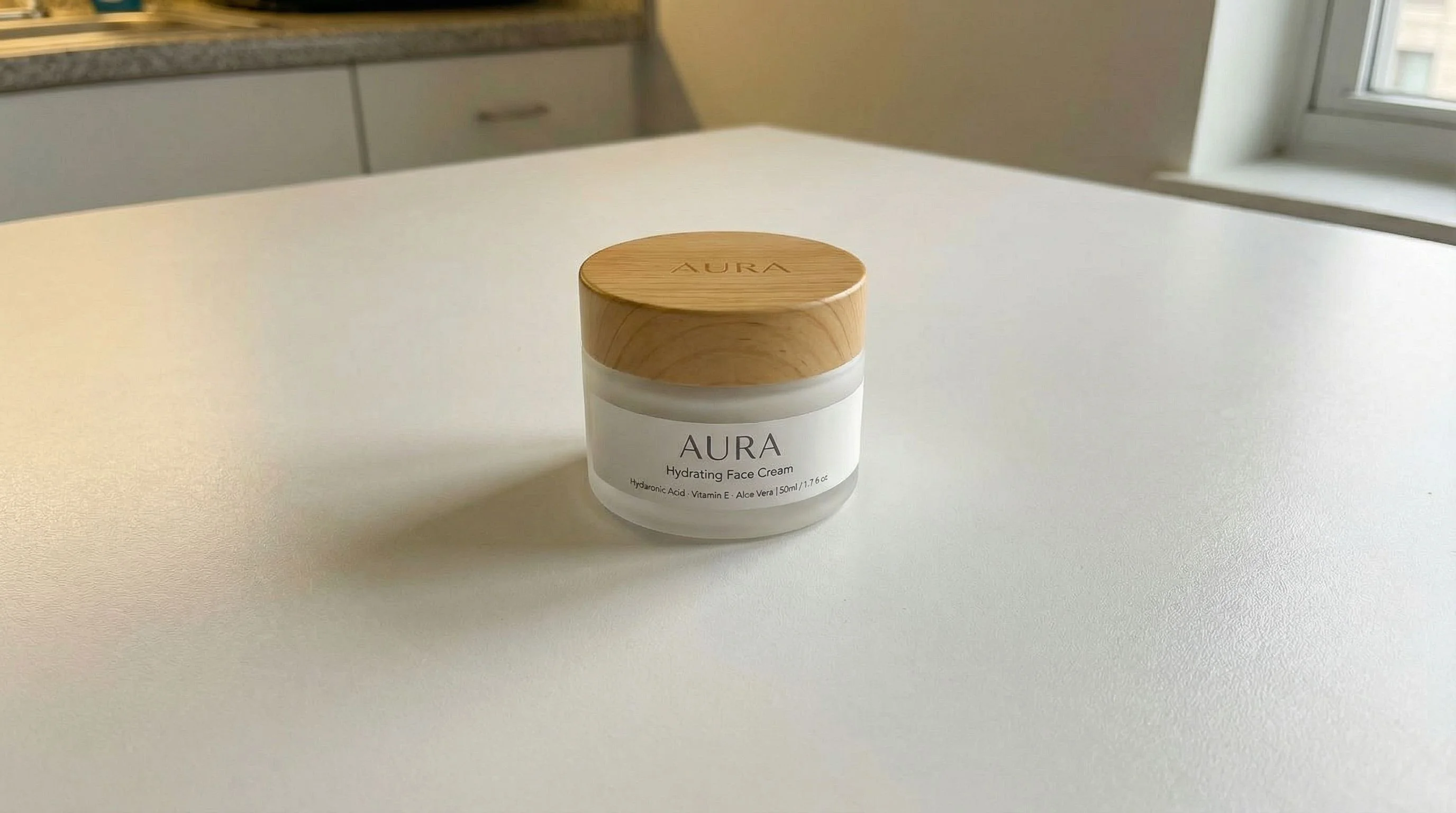
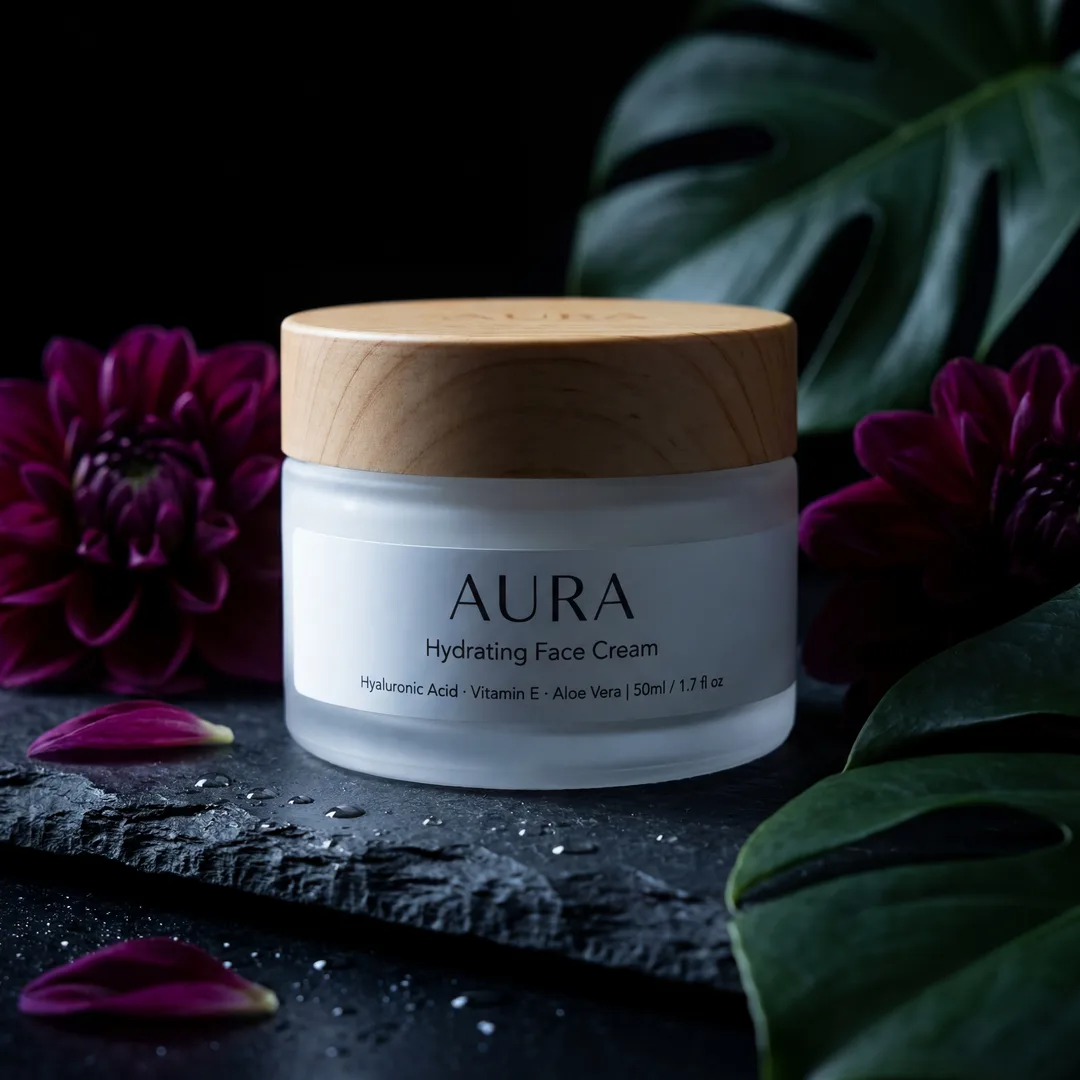
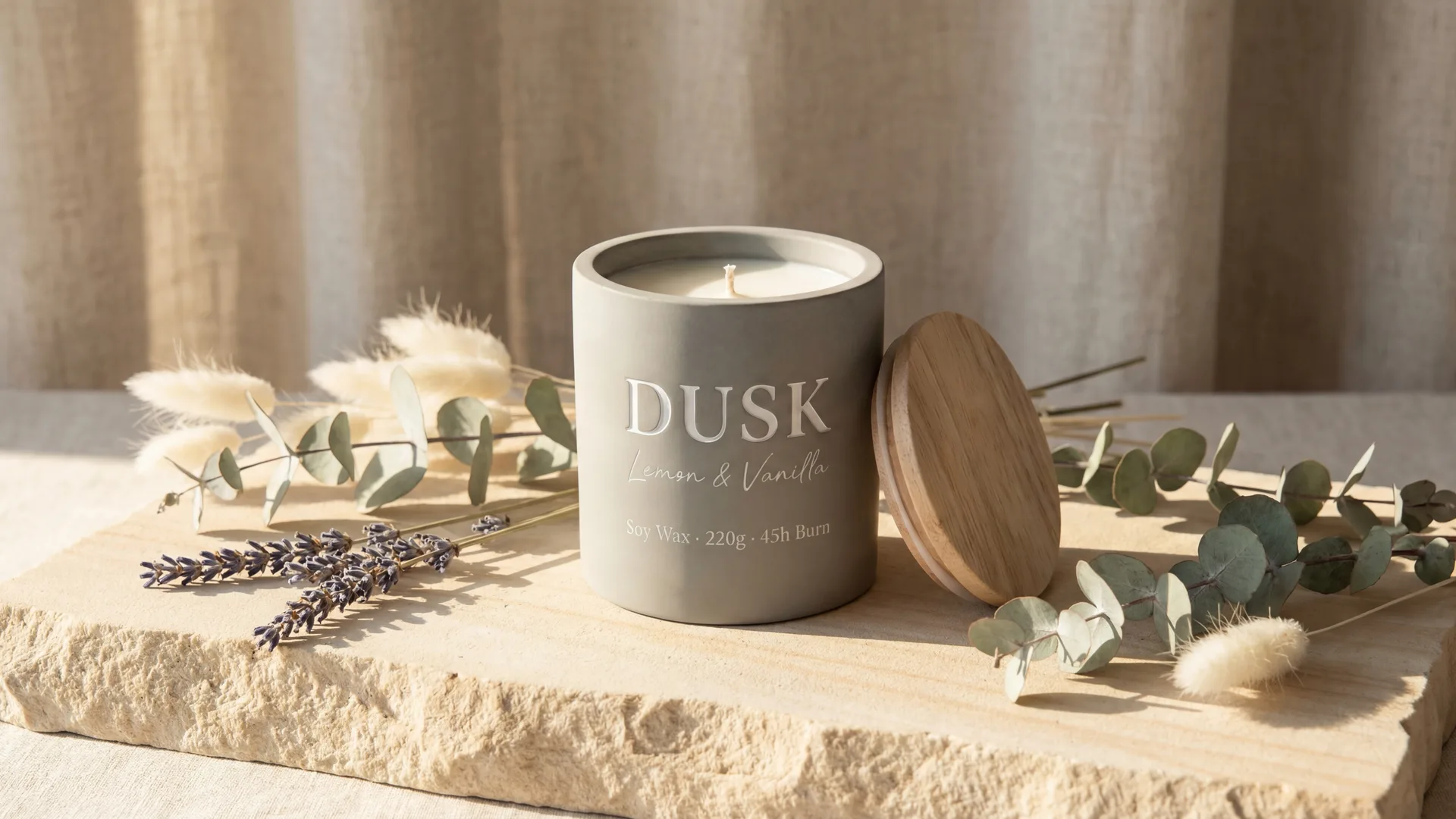
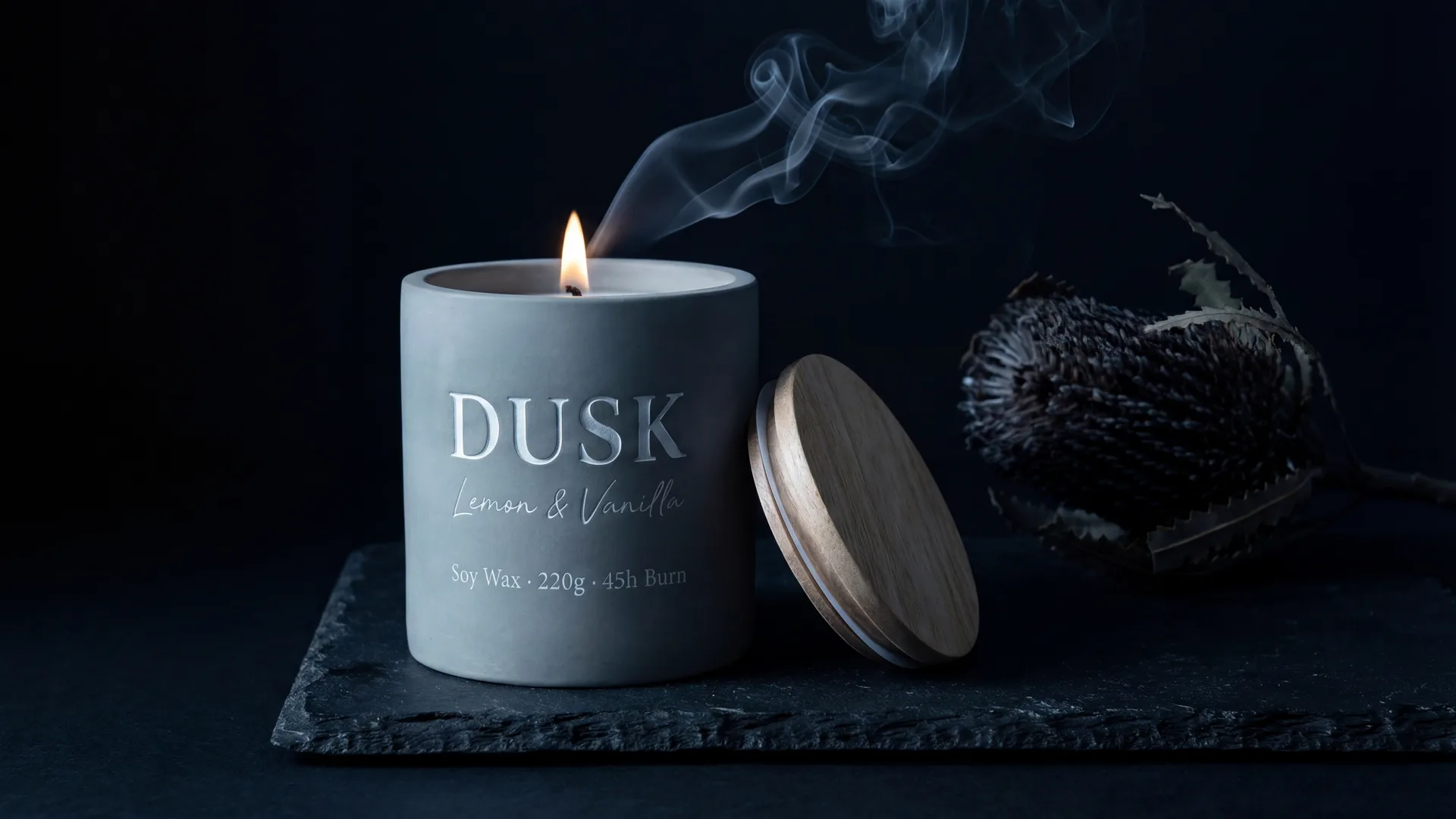
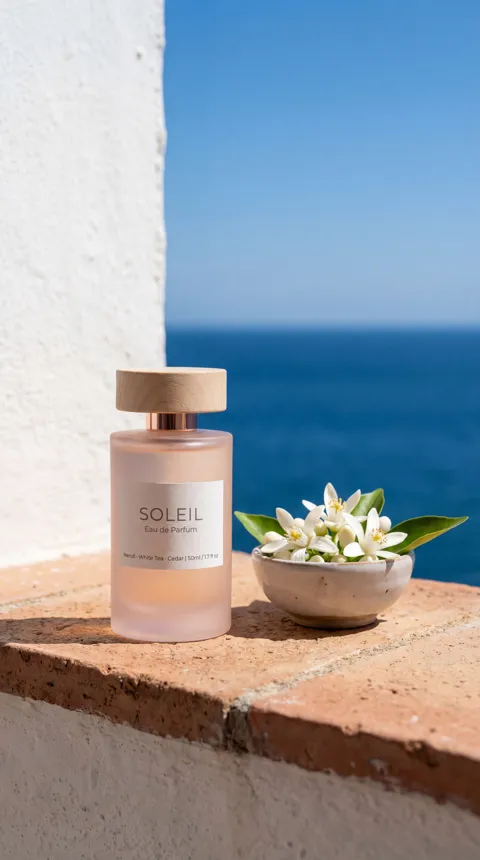
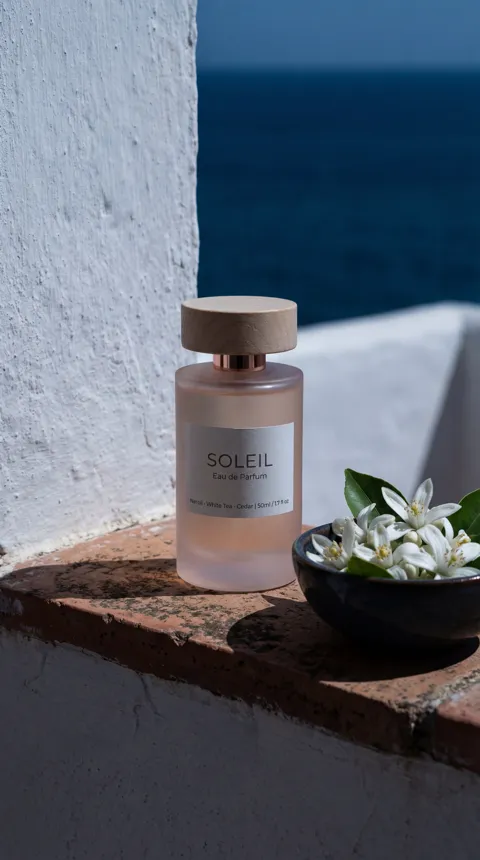
One of the most significant advantages of AI for accessories photography AI is its ability to generate diverse and compelling lifestyle scenes from simple product shots. Platforms like Photone AI can take a basic image of your bag and place it in a cafe, on a city street, or alongside a model, creating aspirational content without the need for expensive photoshoots, models, or elaborate sets. This is particularly impactful for generating stunning bag lifestyle photos quickly.
Cost-Efficiency and Speed
AI drastically cuts down on the time and financial investment traditionally required for professional product photography. Without the need for physical sets, extensive post-production, or multiple personnel, businesses can generate high-quality images in minutes and at a fraction of the cost, making premium visuals accessible to all.
Scalability for Large Catalogs
For businesses with extensive product lines or frequent new arrivals, AI offers unparalleled scalability. It can process and generate images for hundreds or even thousands of products quickly, ensuring your entire catalog benefits from consistent, high-quality, and diverse visual content.
Preparing Your Handbags & Accessories for Their AI Close-Up
While AI works wonders, the quality of your input image significantly impacts the output. Giving the AI the best possible starting material will yield the most impressive results.
Immaculate Cleaning
Before taking your initial product photo, ensure your handbag or accessory is spotless. Remove any dust, fingerprints, smudges, or visible glue residue. A microfiber cloth is excellent for polishing hardware and smooth surfaces.
Stuffing and Shaping
For handbags, stuffing them lightly with tissue paper or bubble wrap helps them retain their natural shape and prevents sagging. Ensure the stuffing isn't visible and the bag looks full and appealing.
Removing Tags and Labels
Unless they are an intentional design feature, remove all product tags, price labels, and protective plastic films before photographing.
Securing Hardware
Arrange zippers, clasps, straps, and buckles neatly. Ensure they are aligned and positioned attractively. Zippers should be either fully closed or open just enough to show detail without looking messy.
Lighting for Clarity
Even for AI generation, a well-lit source image is crucial. Use soft, even lighting to illuminate your product without harsh shadows or extreme highlights. A simple light source from two sides can work wonders, ensuring the AI has clear data to work with.
High-Resolution Source Images
Provide the AI with the highest resolution and clearest image you can. The more detail the AI has in the initial shot, the more realistic and refined its generated lifestyle photos will be.
Platform-Specific Image Requirements for Listing Handbags & Accessories Products
Adhering to platform-specific image guidelines is essential for successful listings and to ensure your products are presented optimally to potential buyers. Here are some common requirements for popular e-commerce platforms:
Amazon
- Main Image: Pure white background (RGB 255, 255, 255), product occupies at least 85% of the image frame. Minimum 1000 pixels on the longest side (for zoom function), ideally 2000px. Product only, no props or text.
- Secondary Images: Lifestyle photos, detail shots, scale images, or images showing product features are encouraged. Can have backgrounds and models.
Etsy
- Resolution: Minimum 2000 pixels on the shortest side recommended for optimal display and zoom.
- Aspect Ratio: While flexible, 4:3 or 5:4 aspect ratios often work well. Etsy encourages using multiple photos to show different angles, details, and in-context shots.
Shopify
- **Resoluti...
Platform Requirements
| Platform | Requirements |
|---|---|
| Amazon | Pure white background for main image, product fills 85% of frame, min 1000px longest side. |
| Etsy | Min 2000px shortest side recommended, multiple angles/contextual shots encouraged. |
| Shopify | 2048x2048px square recommended, high resolution, optimize file size. |
Frequently Asked Questions
Is AI photography suitable for luxury handbags?+
Yes, AI photography is highly suitable for luxury handbags. Modern AI platforms can generate ultra-realistic lifestyle images that highlight craftsmanship, material quality, and brand prestige, making them ideal for high-end products. They can maintain intricate details and ensure a sophisticated aesthetic.
Can AI accurately represent unique textures like exotic leathers or delicate embroidery?+
Absolutely. Advanced AI models are trained on vast datasets and are capable of interpreting and rendering complex textures with remarkable accuracy. They can enhance the appearance of exotic leathers, fine stitching, delicate embroidery, and other intricate details, making them appear tactile and rich in the generated images.
How does AI help with color accuracy for accessories?+
AI algorithms are designed to maintain color fidelity from the input image to the generated output. They analyze and correct for lighting inconsistencies, ensuring that the true colors of your accessories are accurately represented. This minimizes color discrepancies that can lead to customer dissatisfaction and returns.
Do I need professional models for AI lifestyle shots?+
No, you do not need professional models for AI-generated lifestyle shots. AI platforms can take your product-only image and seamlessly integrate it into various lifestyle scenes, often featuring AI-generated models or contextual elements that provide scale and aspirational appeal, without the cost or logistics of a traditional photoshoot.
What kind of input image works best with AI photography platforms?+
The best input images are high-resolution, well-lit, and clear product shots, ideally on a plain or white background. While AI can improve less-than-perfect images, starting with a clean, detailed, and undistorted photo of your product will yield the most professional and realistic AI-generated results.
Can AI photography truly replace a professional photographer?+
AI photography complements, rather than fully replaces, professional photographers. For basic product shots and diverse lifestyle variations, AI offers unmatched speed and cost-efficiency. However, for highly complex conceptual shoots or specific artistic direction, a human photographer's expertise remains invaluable. AI provides an accessible solution for scaling marketing visuals without needing extensive traditional photoshoots.
How many images can I generate with AI for my product catalog?+
The number of images you can generate depends on the specific AI platform and your chosen pricing plan. Platforms like Photone AI offer various tiers, from free credits to monthly subscriptions, allowing you to generate hundreds or even thousands of unique lifestyle images for your entire product catalog, making it highly scalable for businesses of all sizes.