
Mastering Home Decor Product Photography with AI: A Comprehensive Guide
Transform your home decor product listings with AI-powered photography. Learn to overcome challenges like reflections and scale, create stunning lifestyle shots
Why Professional Product Photos Matter for Home Decor Sellers
In the competitive world of e-commerce, visuals are paramount, especially for categories like home decor. Unlike clothing or electronics, home decor products are inherently experiential. They aren't just functional items; they are pieces that contribute to the ambiance, style, and comfort of a living space. Customers aren't just buying a vase; they're buying the potential for a beautiful centerpiece. They're not just buying a rug; they're envisioning a cozy corner in their home.
Professional product photography serves as the digital window into this experience. High-quality images don't just showcase an item; they tell a story, evoke emotion, and allow potential buyers to visualize the product within their own homes. This ability to dream and connect with a product on an emotional level is what drives purchases in the home decor market. Moreover, exceptional imagery builds trust and credibility, communicates the quality of your craftsmanship, and significantly reduces returns by setting accurate expectations. A clear, well-staged photograph can be the difference between a fleeting scroll and a successful sale.
Common Photography Challenges Specific to Home Decor Products
Home decor products, while beautiful, present a unique set of challenges for traditional photography. These aren't just simple objects to point and shoot; they often require thoughtful staging, precise lighting, and careful attention to detail to truly shine.
Dealing with Reflections and Glare
Many home decor items feature reflective surfaces – think mirrored trays, glass vases, polished metal accents, or glossy ceramic finishes. Capturing these without distracting reflections of the camera, lighting equipment, or the photographer themselves is a constant battle. Glare can obscure details, distort colors, and make a luxurious item appear cheap or amateurish.
Accurately Conveying Scale and Proportion
How big is that throw pillow really? Will that wall art dominate a small entryway or look lost in a spacious living room? Without contextual cues, it's incredibly difficult for customers to gauge the true size and proportion of an item. A product shot against a plain white background, while clean, often fails to provide the necessary sense of scale, leading to buyer disappointment when the item arrives.
Capturing Texture and Materiality
Tactile elements are crucial in home decor. The plushness of a velvet cushion, the intricate weave of a macrame wall hanging, the grain of a wooden sculpture, or the subtle imperfections of handmade pottery – these textures are often the defining characteristics that draw customers in. Flat, poorly lit photos can completely strip away this essential information, leaving the product feeling lifeless and unappealing.
Ensuring True Color Accuracy
Color is subjective and highly influenced by lighting, screen calibration, and surrounding elements. For home decor, where items are often chosen to match or complement existing palettes, color accuracy is paramount. A rug that appears emerald green online but arrives as forest green can lead to frustration and returns. Achieving consistent, true-to-life colors across an entire product line, under varying lighting conditions, is a significant hurdle.
Mastering Lighting and Ambiance
Home decor thrives on ambiance. A cozy lamp needs to be photographed in a way that suggests warmth, a sculptural vase in a way that highlights its form. Controlling light and shadow to create the desired mood, emphasize depth, and flatter the product requires a professional setup, expertise, and often, significant editing time. Inconsistent lighting across a catalog can also disrupt the visual harmony of your brand.
The Art of Staging and Contextualization
Unlike a gadget, a decorative item needs to be seen in situ. Setting up appealing lifestyle scenes – a perfectly styled bookshelf, a curated coffee table, a serene bedroom corner – demands creativity, props, space, and a keen eye for interior design. This process is often time-consuming, expensive, and difficult to scale, especially for sellers with large and diverse inventories.
How AI-Powered Photography Solves These Challenges
Emerging AI-powered photography platforms are revolutionizing how home decor sellers tackle these traditional hurdles. By leveraging advanced algorithms and machine learning, these tools can generate stunning, professional-grade lifestyle images with unprecedented speed and efficiency.
Eliminating Reflection Glare and Imperfections
AI algorithms can intelligently identify and remove unwanted reflections and glare from shiny surfaces, ensuring your glass, metal, and polished items appear pristine. Instead of spending hours in post-production masking reflections or meticulously positioning lights, AI can generate perfect, blemish-free results, making your products look their best without the headache.
Providing Realistic Scale and Context
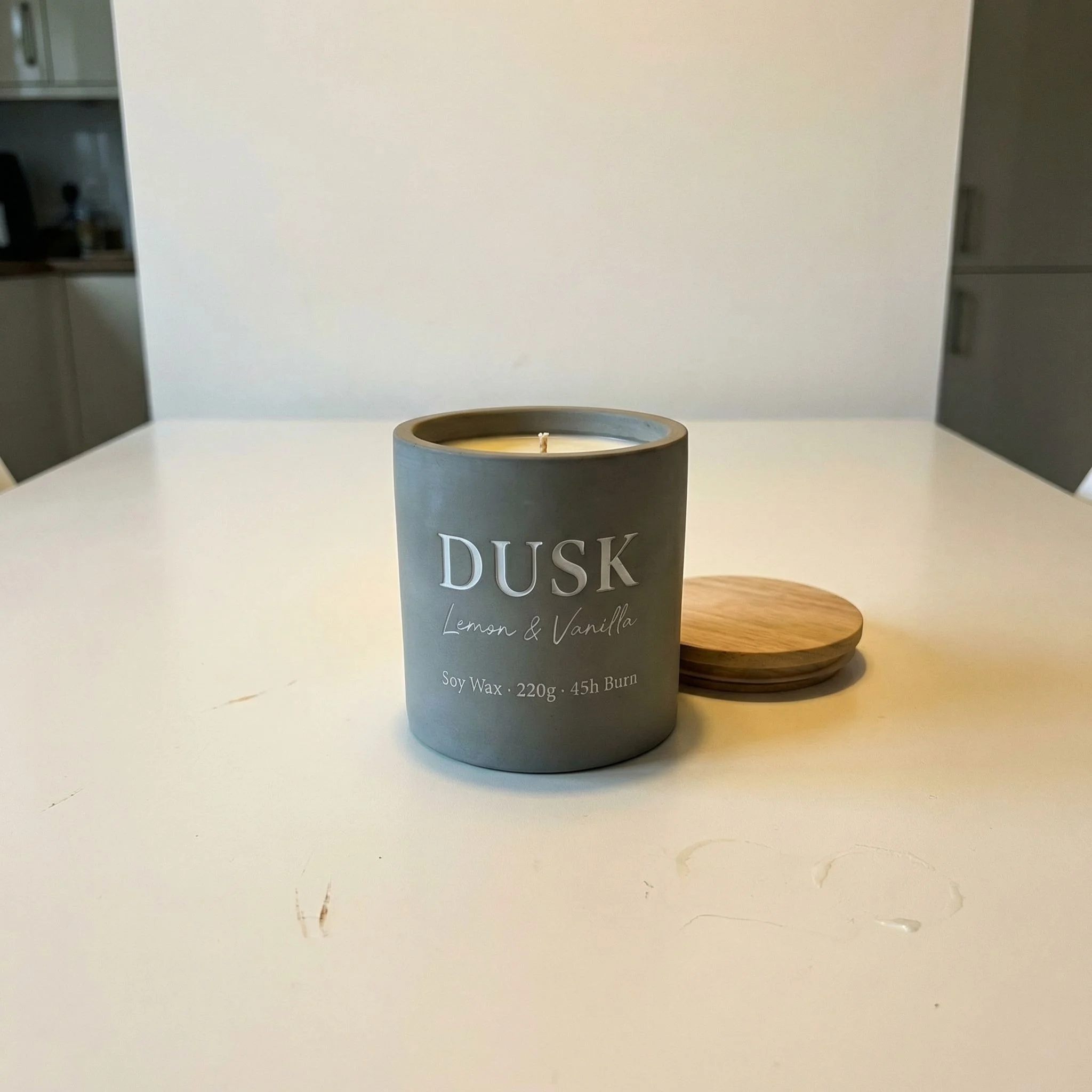
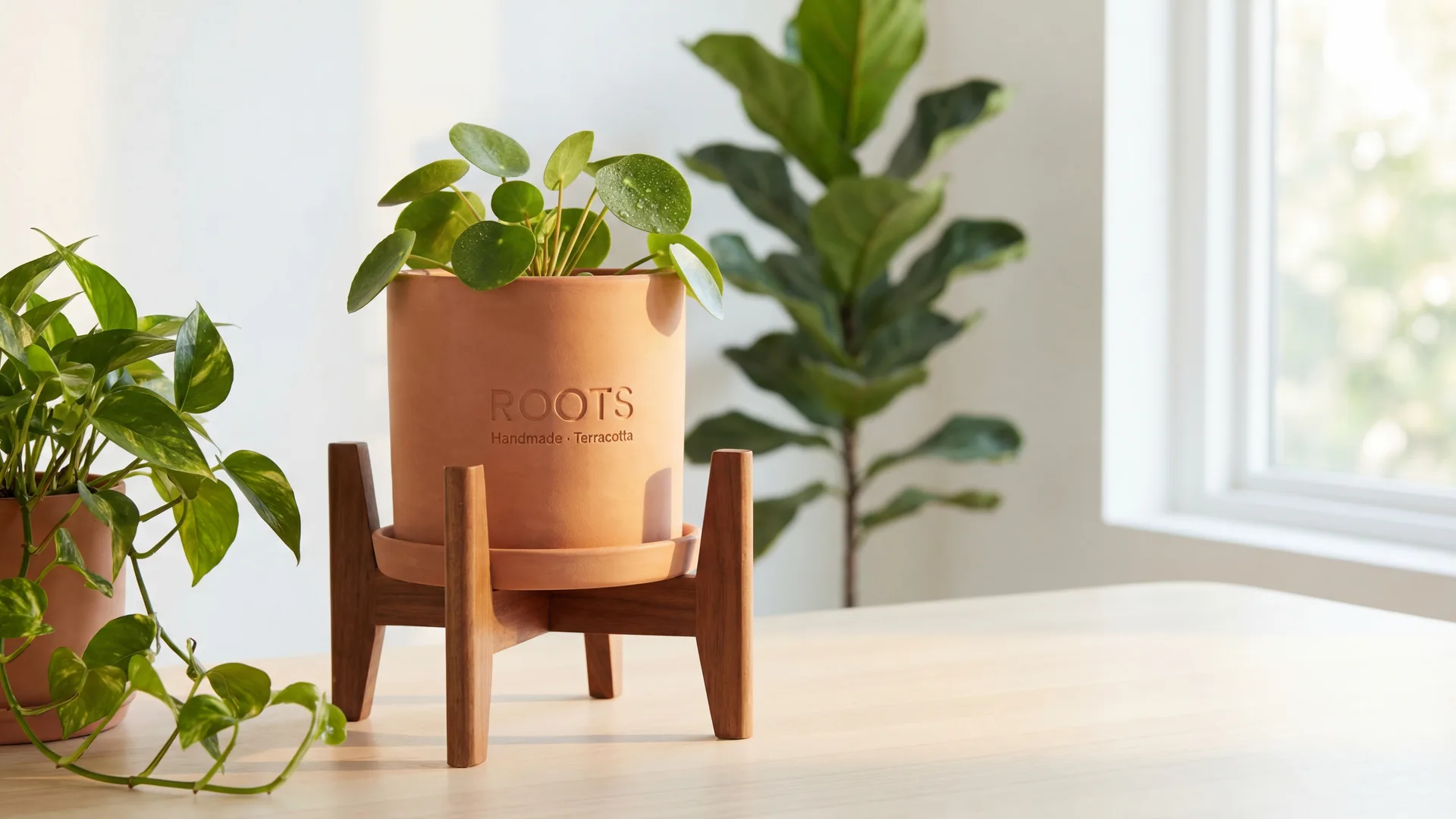
One of the most powerful applications of AI for home decor is its ability to place your product seamlessly into realistic, aspirational interior settings. By generating diverse lifestyle scenes, AI immediately provides the contextual cues necessary for customers to understand an item's scale and proportion. A vase on a console table or a throw blanket draped over a sofa instantly communicates size in a way a standalone shot never could. This feature helps customers visualize products in their own homes, boosting confidence in their purchase.
Emphasizing Texture, Detail, and Materiality
AI excels at rendering intricate details and realistic textures. Whether it's the coarse weave of linen, the smooth finish of marble, or the delicate pattern of a ceramic, AI can enhance these tactile qualities in a digital image, making your products feel more tangible and appealing. This capability ensures that the unique characteristics of your handmade or artisan items are conveyed effectively, capturing the essence of their craftsmanship.
Ensuring Consistent Color Fidelity
AI platforms can be trained to maintain consistent color accuracy across a vast range of images and lighting scenarios. This means your buyers can trust that the sage green cushion they see online is indeed sage green upon arrival. By standardizing color representation, AI helps to eliminate one of the biggest sources of customer dissatisfaction and returns in the home decor category.
Effortless Ambiance and Lighting Control
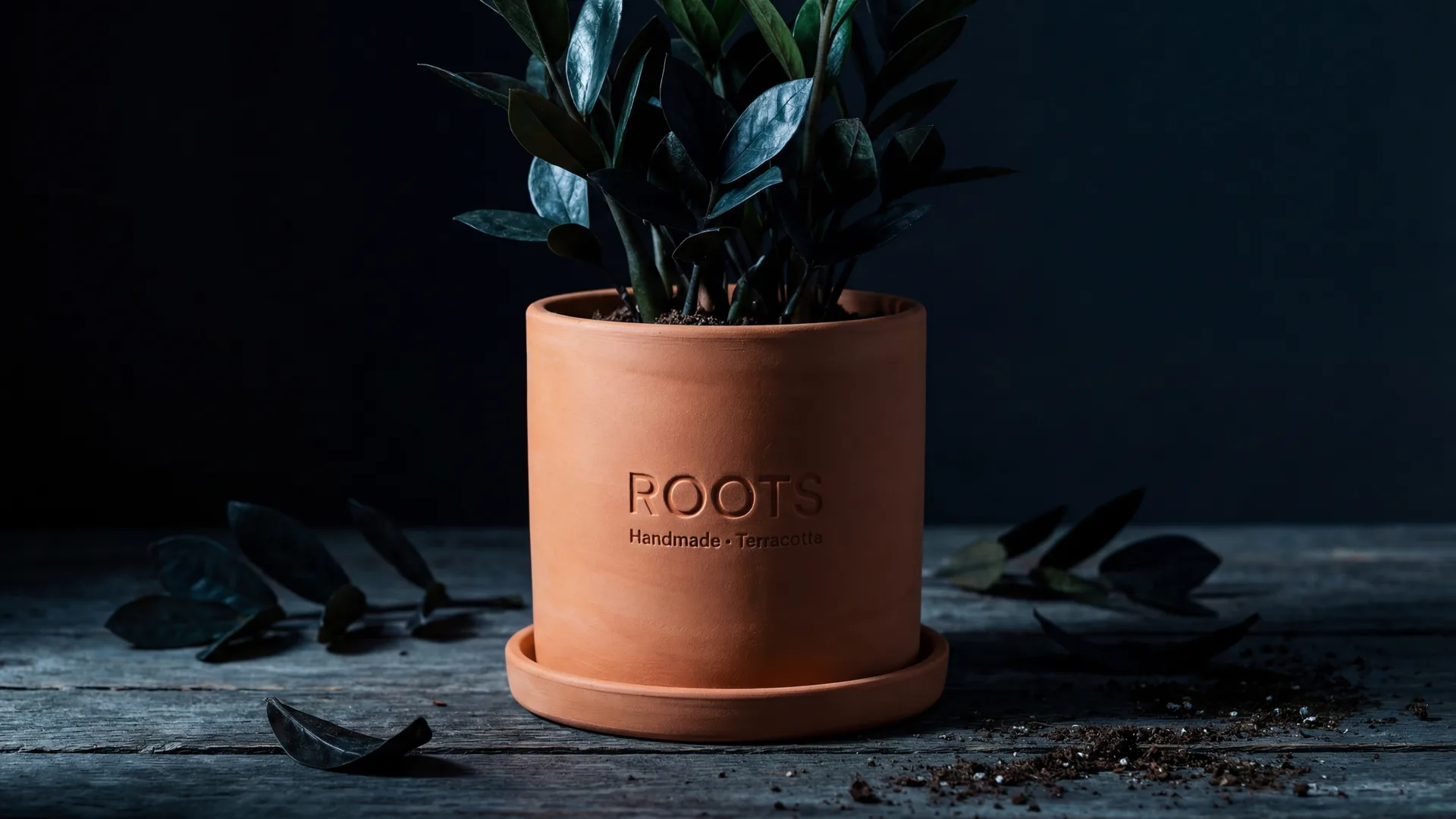
With AI, you gain unprecedented control over lighting and atmosphere. You can generate scenes bathed in soft morning light, cozy evening glow, or bright, airy daylight, all tailored to complement your product and brand aesthetic. This allows you to create the perfect ambiance for each item, highlighting its form and function without the need for complex studio setups or extensive lighting equipment.
Scalable, Diverse Staging Without Limits
Perhaps the most significant advantage for home decor sellers is the AI's ability to generate an endless variety of staged lifestyle photos. No need to rent studios, hire stylists, or buy props. Simply upload your product image, and AI can place it in dozens of different interior settings – modern minimalist, rustic farmhouse, bohemian chic, industrial loft, and more. This empowers you to appeal to diverse customer segments and refresh your listings regularly without incurring prohibitive costs or logistical nightmares. Platforms like Photone AI, with its URL-to-photo pipeline, can transform a simple product image into an entire gallery of compelling lifestyle marketing photos in minutes.
Tips for Preparing Home Decor Products for Photography
Even with the power of AI at your fingertips, the quality of your input image significantly impacts the output. Here are essential tips for preparing your home decor products:
- Thorough Cleaning: Dust, fingerprints, smudges, and minor debris are magnified in photos. Ensure all surfaces are spotless. Use appropriate cleaners for glass, metal, wood, and fabric.
- Minor Repairs and Touch-Ups: Address any visible flaws like scuffs, loose threads, dents, or discolored spots. While AI can do wonders, starting with a pristine product yields the best results.
- Consistent Branding: If your product has tags, labels, or discreet branding elements, ensure they are consistently placed and legible if they are meant to be visible. Otherwise, position them to be out of frame or easily removed in post-processing.
- Gather Product Details: Have all relevant information handy: dimensions (height, width, depth), materials, weight, and any unique features. This information is crucial for accurate descriptions and can inspire specific lifestyle contexts for AI generation.
- Optimal Lighting for Input: While AI will generate the final lighting, your initial product shot should be well-lit, evenly exposed, and free of harsh shadows to give the AI the best possible data to work with. A simple, well-lit white background shot is often ideal.
Platform-Specific Requirements for Listing Home Decor Products
Different e-commerce platforms have specific image requirements that home decor sellers must adhere to. Meeting these guidelines ensures your products are displayed correctly and professionally.
Amazon
- Main Image: Pure white background (RGB 255, 255, 255), product must fill at least 85% of the image frame, no text or graphics, professional studio lighting. Image size typically 1000px on the longest side for zoom functionality.
- Secondary Images: Can include lifestyle shots, close-ups, alternate angles, and infographics. These are where AI-generated lifestyle photos can truly shine, showing scale and context.
Etsy
- Image Size: Recommended 2000px on the shortest side, 72 PPI. Up to 10 images per listing.
- Main Image: Often preferred to be clear, well-lit, and representative of the item. While not strictly white background, a clean and uncluttered background helps.
- Secondary Images: Highly encourages lifestyle shots, photos showing scale (e.g., product in hand), multip...

Platform Requirements
| Platform | Requirements |
|---|---|
| Amazon | Main image: pure white background, product fills 85%+ frame, high-res. Secondary: lifestyle, angles. |
| Etsy | Recommended 2000px shortest side. Encourages lifestyle, scale, detail shots; clean main image. |
| Shopify | High-resolution, consistent brand aesthetic, mix of clean product and lifestyle shots. |
Frequently Asked Questions
Is AI product photography ethical for home decor?+
Yes, AI product photography is generally considered ethical, as long as the generated images accurately represent the product being sold. The goal is to provide context and inspiration, not to misrepresent the item. Clearly label or indicate if images are AI-generated if there's any ambiguity, though for lifestyle shots, this is rarely necessary as long as the product itself is real.
How accurate are AI-generated images for home decor products?+
The accuracy of AI-generated images, especially for key aspects like color and texture, has improved dramatically. High-quality AI platforms can render products with impressive fidelity. However, starting with a clear, well-lit photograph of your actual product is crucial as it provides the AI with the best possible data to ensure accurate representation in the generated scene.
Can AI replace a professional photographer for home decor businesses?+
AI photography can significantly reduce the need for traditional photoshoots, especially for lifestyle and contextual images. It's a powerful tool that complements and augments the work of photographers, allowing small businesses to achieve professional results at a fraction of the cost and time. While it may not replace the nuanced artistic vision for highly complex or unique shoots, it democratizes access to high-quality visual content for everyday product listings.
What kind of home decor products work best with AI photography?+
Almost all home decor products can benefit from AI photography. Items that particularly shine are those that require context for scale (e.g., furniture, rugs, wall art), those that benefit from aspirational staging (e.g., decorative objects, textiles, lamps), and those with reflective or intricate surfaces that are hard to photograph traditionally (e.g., glassware, polished metals, detailed ceramics).
How much does AI product photography cost compared to traditional methods?+
AI product photography is significantly more cost-effective than traditional methods. Traditional photography involves hiring photographers, stylists, renting studios, purchasing props, and extensive post-production, often costing hundreds or thousands per shoot. AI platforms typically operate on a credit or subscription model (e.g., Photone AI's plans range from free to $189/month), offering dozens or hundreds of images for a fraction of the price, making it accessible for businesses of all sizes.
How long does it take to get AI-generated photos for my home decor products?+
One of AI's biggest advantages is speed. Once you upload your product image, AI platforms can generate a variety of lifestyle photos in a matter of seconds to a few minutes. This rapid turnaround allows businesses to quickly create and update listings, test different visual approaches, and respond to market trends much faster than traditional photography methods allow.