

Mastering Musical Instrument Photography: An AI-Powered Guide for Sellers
Discover how AI transforms musical instrument photography, solving common challenges like reflections and scale to create stunning, consistent marketing images.

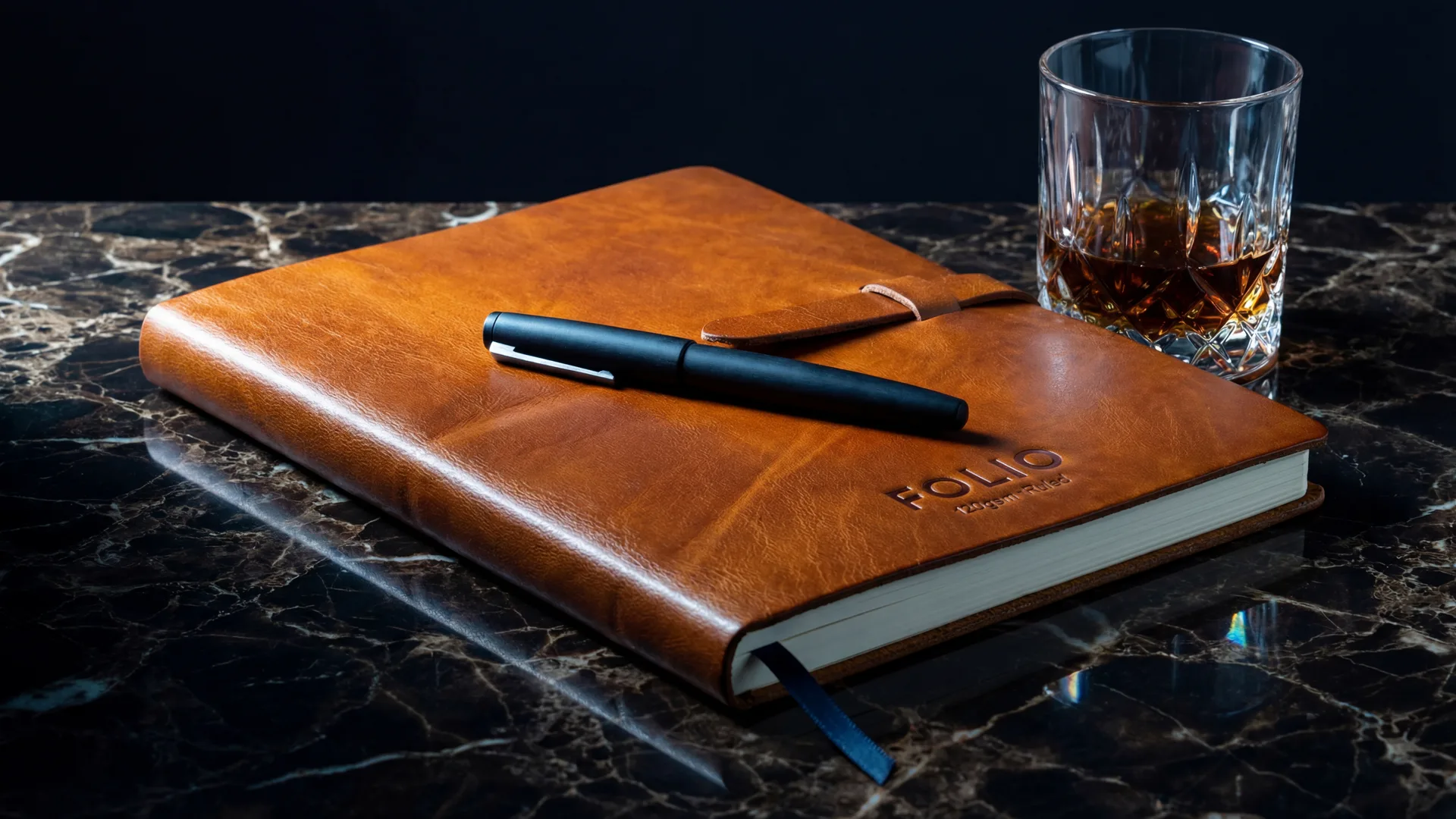
Musical instruments are more than just products; they are gateways to expression, craft, and passion. For sellers in this niche, showcasing these instruments with the reverence they deserve is paramount. In the bustling online marketplace, where buyers cannot physically interact with a guitar's fretboard or hear the resonance of a violin, high-quality photography becomes the silent salesperson, communicating everything from the instrument's build quality to its unique character.
Why Professional Product Photos Matter for Musical Instruments Sellers
In the competitive world of online music retail, an instrument's visual presentation can make or break a sale. Professional product photos are not just an aesthetic choice; they are a critical business imperative for several reasons:
- Build Trust and Credibility: High-resolution, well-lit images signal professionalism and attention to detail. This assures potential buyers that you are a serious seller offering quality products.
- Overcome the 'No Touch' Barrier: Online shoppers can't hold the instrument, feel its weight, or admire its finish up close. Detailed photos, showing multiple angles and intricate features, must bridge this gap, allowing buyers to mentally 'experience' the instrument.
- Highlight Unique Features and Craftsmanship: Many musical instruments are works of art, featuring intricate inlays, specific wood grains, unique hardware, or custom finishes. Professional photography allows these nuances to shine, justifying premium pricing and attracting discerning buyers.
- Enhance Brand Perception: Consistent, high-quality imagery elevates your brand, positioning you as a reputable dealer passionate about music and the instruments you sell.
- Increase Conversion Rates: Studies consistently show that products with better images sell faster and at higher prices. Clear, attractive photos reduce buyer hesitation and lead directly to more sales.
- Reduce Returns: Accurate visual representation minimizes misunderstandings about an instrument's condition, color, or size, leading to fewer returns and happier customers.
Common Photography Challenges Specific to Musical Instruments Products
Photographing musical instruments presents a unique set of hurdles that often frustrate even experienced photographers. These challenges can significantly impact image quality and, subsequently, sales:
Reflections and Glare
Many instruments, especially guitars with glossy finishes, brass instruments, drum cymbals, or polished wood pianos, have highly reflective surfaces. Capturing these without distracting reflections of your studio, lighting equipment, or even the photographer themselves is notoriously difficult. Glare can obscure details, making an instrument look less appealing and masking its true condition.
Accurate Scale and Perspective
Conveying the true size and proportion of an instrument can be tricky. A ukulele needs to look compact and portable, while a cello needs to convey its stately presence. Without familiar objects for reference, an isolated product shot can make it hard for buyers to gauge if an instrument is the right fit for them.
Capturing Texture and Detail
From the delicate grain of a rosewood fretboard to the intricate engraving on a saxophone, the worn patina of a vintage amplifier, or the subtle weave of a guitar strap, textures are crucial. Standard lighting or basic setups often flatten these details, making instruments appear generic or less valuable.
Color Accuracy and Tone Reproduction
Musical instruments often come in specific wood tones (mahogany, maple, ebony), sunburst finishes, or unique paint colors that are critical to their appeal. Inaccurate color representation due to poor lighting or camera settings can mislead buyers, leading to dissatisfaction or returns. Capturing the warm glow of a vintage tube amp or the vibrant hue of a modern synthesizer accurately requires careful control.
Lifestyle Integration
While clean product shots are essential, showcasing instruments in a relevant, aspirational context—being played on stage, practiced in a studio, or displayed in a home—adds immense value. Achieving these authentic lifestyle shots with traditional photography is costly and time-consuming, requiring models, locations, and extensive equipment.
How AI-Powered Photography Solves These Challenges
This is where AI-powered product photography, like platforms such as Photone AI, steps in as a game-changer for musical instrument sellers. By leveraging advanced artificial intelligence, these tools can overcome many traditional photography challenges with unprecedented speed and efficiency.
Eliminating Reflections and Glare
AI can analyze your base product image and seamlessly integrate it into virtual scenes, intelligently adjusting lighting to prevent unwanted reflections. It can generate environments that naturally diffuse light or even automatically 'paint out' minor reflections, ensuring that the instrument's finish shines without distracting glare, highlighting its aesthetic appeal.
Mastering Scale and Perspective
AI platforms excel at generating diverse scene templates that include contextual elements. This means you can place your instrument—be it a delicate flute or a robust drum kit—into a virtual room, a stage setting, or alongside other objects that naturally convey its size. This gives buyers an immediate and accurate sense of scale, helping them visualize the instrument in their own space.
Enhancing Texture and Detail
By taking a high-resolution input image, AI can render incredibly realistic textures in new scenes. The wood grain on a guitar, the subtle imperfections on a vintage amplifier, or the precise winding of a string are preserved and even enhanced by AI-generated lighting and environmental cues, ensuring every important detail is crisp and visible.
Ensuring Color Accuracy
AI works by integrating your original product image into new scenes. This means the core color profile of your instrument—its specific sunburst pattern, its natural wood hue, or its unique painted finish—is maintained from the source image. The AI then intelligently lights the generated scene to complement, not distort, these true colors, ensuring accurate representation for your buyers.
Effortless Lifestyle Integration
Perhaps the most transformative aspect for musical instrument photography is AI's ability to generate stunning lifestyle photos. With a simple URL-to-photo pipeline, you can input a product link and within seconds, receive a variety of dynamic lifestyle shots. Imagine your electric guitar on a virtual stage, your acoustic in a cozy studio, or your keyboard in a modern living room – all without the expense and logistics of traditional photoshoots. This capability allows sellers to showcase instruments in aspirational settings that resonate with musicians, significantly boosting engagement and perceived value.
Tips for Preparing Musical Instruments Products for Photography
Even with the power of AI, the quality of your initial product image is crucial. A good input yields superior AI-generated outputs. Here’s how to prepare your musical instruments:
- Cleanliness is Key: Thoroughly clean and polish the instrument. Remove fingerprints, dust, smudges, and any debris. For stringed instruments, ensure strings are clean and aligned.
- Ensure Playability and Presentation: If applicable, stringed instruments should be properly strung (new strings if possible, as they look better). Tuning pegs should be aligned, and any cases or accessories should be clean and tidy.
- Neutral Background for Source Image: Take your initial product photos against a clean, neutral background (white or light gray works best). This provides the AI with a clear subject to work with, making the background removal and scene integration process seamless.
- Optimal Lighting for Source Image: Use even, diffused lighting to minimize harsh shadows and hot spots on your initial product photo. This ensures all details are visible and colors are accurate before AI takes over.
- Multiple Angles and Detail Shots: Provide several angles of your instrument (front, back, sides, headstock, bridge, control knobs, etc.) and close-ups of key features. While AI can work with one image, having options for different scene integrations is beneficial for a comprehensive catalog.
Platform-Specific Requirements for Listing Musical Instruments Products
Meeting platform-specific image requirements is essential for visibility and compliance. Here’s a brief overview of common expectations for major e-commerce platforms:
Amazon
- Main Image: Must be on a pure white background (RGB 255, 255, 255). The product should fill at least 85% of the image frame.
- Size: Minimum of 1000 pixels on the longest side for zoom functionality.
- Content: No watermarks, text, or extraneous graphics. Product only.
- Lifestyle Images: Secondary images can feature the product in use or in a lifestyle setting, which is where AI-generated scenes shine.
eBay
- Minimum Size: At least 500 pixels on the longest side, with 1600 pixels recommended for high quality.
- Clarity: Images should be clear, in focus, and well-lit.
- Watermarks: Allowed, but subtle and not obscuring the product. However, for a professional look, many sellers avoid them.
- Multiple Photos: Encouraged from different angles and showing details.
Reverb.com
- Quality: High-resolution, well-lit images are crucial for the music gear marketplace.
- Variety: Sellers are encouraged to upload many photos, including detailed shots of any wear, unique features, or accessories.
- Context: While main shots are typically product-focused, lifestyle or in-use shots are highly valued to show the instrument's character.
How Photone AI's Style System Helps Maintain Visual Consistency Across a Musical Instruments Catalog
One of the most significant advantages of leveraging AI for musical instrument photography is the ability to achieve unparalleled visual consistency across your...

Platform Requirements
| Platform | Requirements |
|---|---|
| Amazon | Pure white background for main image, min 1000px, 85% product fill, no text/watermarks. |
| eBay | Min 500px (1600px recommended), clear/in-focus, subtle watermarks allowed. |
| Reverb.com | High-resolution, well-lit, multiple angles including detail shots, lifestyle highly valued. |
Frequently Asked Questions
Is AI product photography good enough for high-value musical instruments?+
Yes, AI product photography, especially with advanced platforms, generates professional-grade lifestyle images that are virtually indistinguishable from traditional photoshoots. For high-value instruments, it maintains the integrity of your original product shot while integrating it into aspirational, highly detailed scenes, enhancing perceived value and appeal.
How does AI handle intricate details and unique finishes on instruments?+
AI works by integrating your high-resolution base product image into new virtual scenes. This means the intricate details, unique finishes, wood grains, and specific colors from your original photograph are preserved and enhanced by the AI-generated lighting and environmental context, ensuring accuracy and highlighting craftsmanship.
Is AI photography more affordable than traditional photoshoots for instruments?+
Absolutely. Traditional photoshoots for musical instruments, especially lifestyle shots, involve significant costs for equipment, studio rental, models, stylists, and post-production. AI photography dramatically reduces these expenses by generating diverse, high-quality scenes from existing product images at a fraction of the cost and time.
Can I use my existing product photos for AI generation?+
Yes, most AI product photography platforms, including Photone AI, are designed to work with your existing product images. As long as your initial photos are of good quality, well-lit, and on a neutral background, AI can effectively transform them into new lifestyle marketing visuals.
How long does it take to get AI-generated photos of my instruments?+
One of the major benefits of AI photography is speed. Platforms like Photone AI's URL-to-photo pipeline can generate professional lifestyle photos in as little as 60 seconds from a product URL. This drastically cuts down the time from product listing to market.
Will AI-generated images look consistent with my brand across different instruments?+
Yes, with features like Photone AI's 'Reusable Styles' and 'Brand DNA extraction,' you can define specific photography templates for mood, lighting, composition, and color palette. These styles can then be consistently applied across your entire musical instrument catalog, ensuring a cohesive and recognizable brand aesthetic.
Does AI product photography work for all types of musical instruments?+
Yes, AI is highly versatile. Whether you're selling string instruments (guitars, violins), percussion (drums, cymbals), wind instruments (flutes, saxophones), keyboards, or electronic music gear, AI can generate appropriate and appealing lifestyle scenes that showcase each instrument effectively.