
Unlocking Success: The Ultimate Guide to AI Product Photography for Phone Cases
Transform your phone case listings with AI product photography. Learn to overcome common challenges and create stunning, consistent lifestyle images that boost
In the hyper-competitive world of e-commerce, where attention spans are fleeting and visual appeal reigns supreme, your product images are often the first – and sometimes only – chance you get to make an impression. For phone case sellers, this truth is amplified. A phone case isn't just a protective shell; it's a fashion statement, a personal accessory, and a daily companion. Capturing its essence, durability, and style through compelling visuals is paramount to standing out in a crowded market.
Traditionally, achieving professional-grade product photography involved costly photoshoots, intricate lighting setups, models, and extensive post-production. These hurdles often deter smaller businesses or those with vast catalogs from consistently producing high-quality images. Enter AI-powered product photography, a revolutionary approach that's democratizing access to stunning visuals and transforming how phone case brands present themselves online.
Why Professional Product Photos Matter for Phone Cases Sellers
Your phone case product photos do more than just display an item; they tell a story, build trust, and ultimately drive purchasing decisions. For phone cases specifically, professional imagery addresses several critical aspects:
Building Trust and Credibility
In an online shopping environment, customers can't physically touch or inspect a product. High-quality, clear, and detailed images act as a substitute, conveying transparency and professionalism. Fuzzy, poorly lit, or inconsistent photos erode trust, making potential buyers question the product's quality and the seller's reliability.
Showcasing Design and Features
Phone cases come in an endless array of designs, materials, and functionalities – from slim silicone to rugged armor, intricate patterns to sustainable eco-friendly options. Professional photos highlight these nuances, showcasing precise cutouts for cameras and ports, button responsiveness, unique textures, and overall aesthetic appeal. A detailed image can reveal a subtle pattern or a premium finish that might otherwise go unnoticed.
Standing Out in a Crowded Market
The phone accessory market is saturated. Thousands of sellers offer similar products. Exceptional product photography is your most powerful tool for differentiation. When a potential buyer scrolls through search results, a visually striking image is what stops their thumb and encourages a click-through to your listing.
Reducing Returns and Managing Expectations
Accurate representation through high-quality photos helps manage customer expectations. If images clearly depict the true color, texture, and fit of the phone case, customers are less likely to be surprised or disappointed upon arrival, leading to fewer returns and more positive reviews.
Common Photography Challenges Specific to Phone Cases Products
While the importance of good photography is clear, phone cases present a unique set of challenges for traditional photographers and e-commerce sellers alike:
Reflections and Glare
Many phone cases feature glossy surfaces, metallic accents, or transparent materials, making them highly susceptible to reflections and glare. Capturing these products without unwanted light bouncing off their surfaces can be incredibly difficult, often requiring specialized lighting equipment, diffusers, and advanced retouching.
Accurate Scale and Fit
Customers need to visualize how the case will look and feel on their phone. This requires showing the case accurately proportioned on a device, often in lifestyle settings. Achieving this consistently across various phone models and case designs, without expensive models or multiple devices, is a significant hurdle.
Capturing Texture and Material
From soft-touch silicone to textured leather, rugged polycarbonate, or sleek tempered glass, phone cases boast diverse materials. Conveying the feel and quality of these textures through a two-dimensional image is challenging. A flat, uninspired photo can make a premium material look cheap, or a unique texture appear generic.
Ensuring Color Accuracy
Colors are often a primary selling point for phone cases. However, lighting conditions, camera settings, and screen calibration can all affect how colors appear in photos. Ensuring the vibrant red or subtle pastel in your photo matches the actual product is crucial to avoid customer disappointment and returns.
Creating Diverse and Engaging Lifestyle Scenes
Generic white-background product shots are essential, but lifestyle photos – showing the case in use, perhaps on a coffee shop table, during a commute, or in a vibrant outdoor setting – dramatically increase engagement. Staging these scenes manually for every product variant is time-consuming, expensive, and logistically complex.
Maintaining Visual Consistency Across a Catalog
For sellers with numerous phone case models, colors, and designs, maintaining a consistent look and feel across all product images is vital for brand identity. Achieving this uniformity with traditional photography, especially when shooting different products at different times, is a constant struggle.
How AI-Powered Photography Solves These Challenges
AI-powered product photography platforms leverage advanced algorithms and generative AI to overcome the traditional pain points of phone case photography, offering speed, affordability, and unparalleled creative freedom.
Virtual Environments and Dynamic Scene Generation
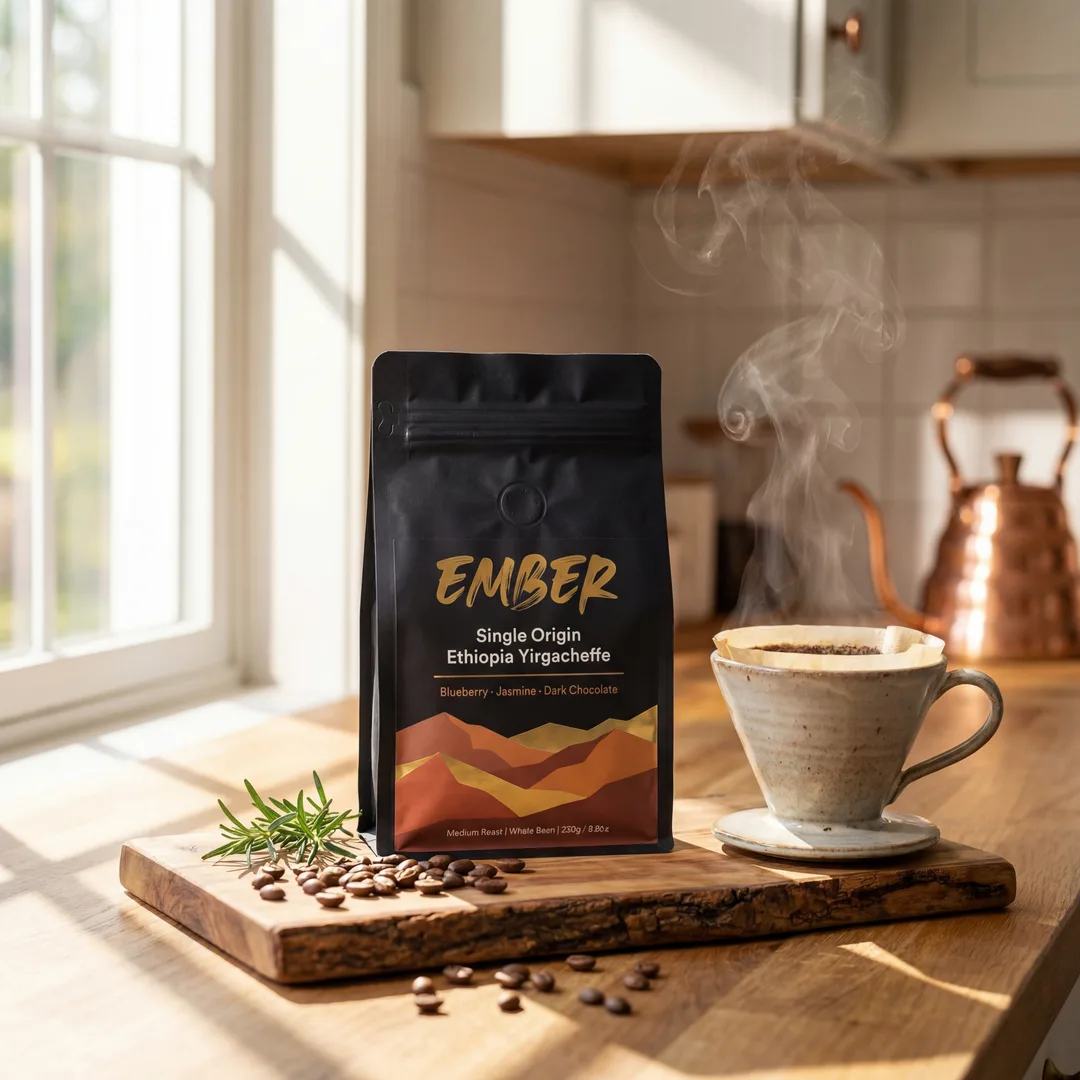
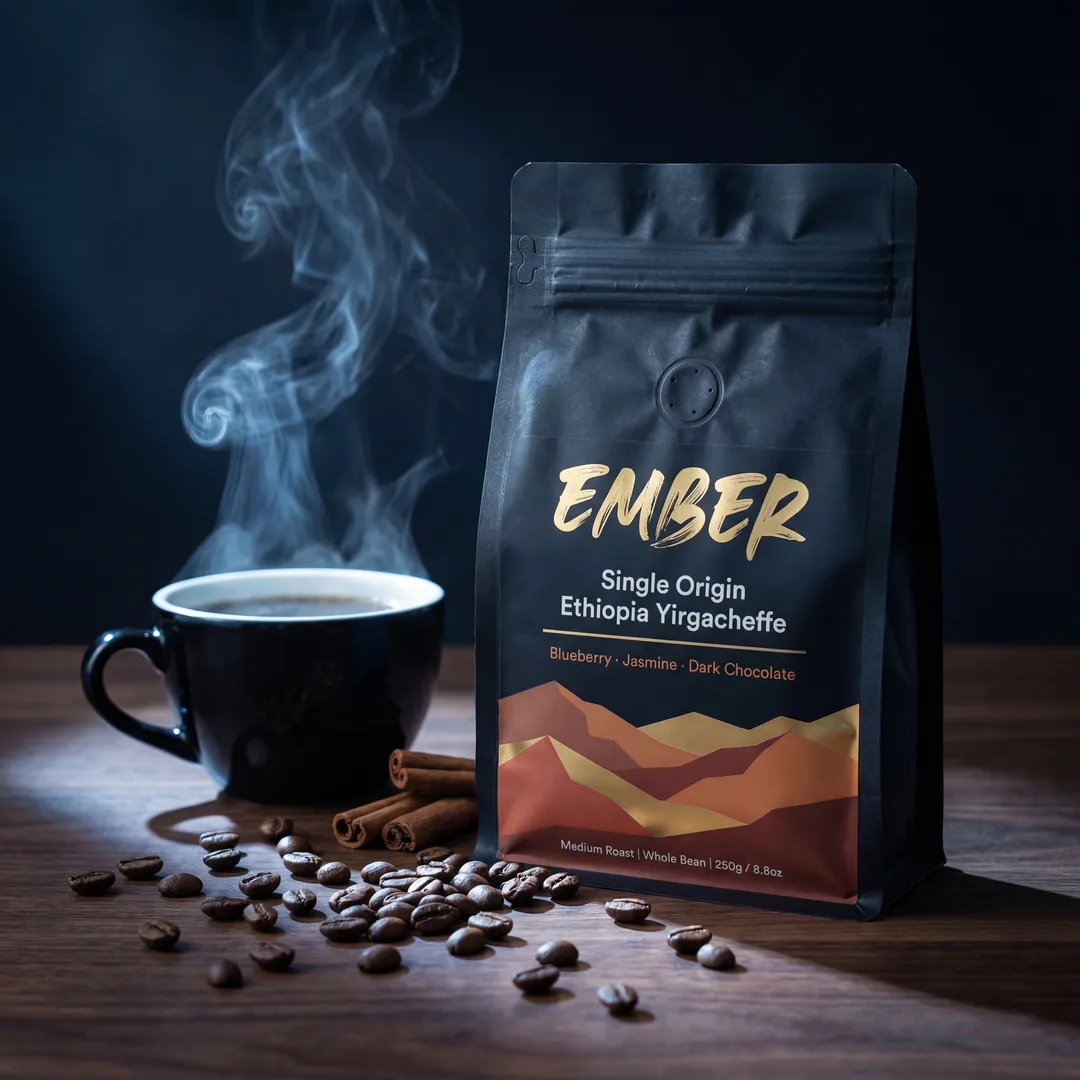
Instead of physically staging a scene, AI allows you to place your phone case in virtually any environment imaginable. Want to show a rugged case on a mountain trail or a stylish one in a minimalist office? AI can generate these diverse backdrops instantly, complete with appropriate lighting and shadows, eliminating the need for physical props, locations, or models. Platforms like Photone AI, for instance, can generate lifestyle photos from a simple product URL in as little as 60 seconds, drastically cutting down the time from concept to compelling visual.
Perfect Lighting and Reflection Control
AI algorithms can simulate ideal lighting conditions, precisely controlling shadows, highlights, and reflections. This means that glossy surfaces are rendered beautifully without harsh glares, and textures are accentuated perfectly. The AI essentially acts as an expert virtual lighting technician, ensuring every detail of your phone case is perfectly illuminated.
Accurate Scale and Contextual Placement
AI tools excel at seamlessly integrating your product into a scene, automatically adjusting its perspective, scale, and angle to fit naturally. This means your phone case will appear perfectly on a virtual phone model, held by a virtual hand, or resting on a table, giving customers a realistic sense of its size and how it looks in real-world use without any manual manipulation.
Enhanced Texture and Material Representation
By analyzing your base product image, AI can intelligently enhance the visual representation of different materials. It can add subtle depth to a leather grain, make a silicone case look soft and tactile, or give a metallic finish a realistic sheen, ensuring the true quality and texture of your phone case are conveyed convincingly.
Unwavering Color Accuracy
Advanced AI color correction and rendering ensure that the colors in your generated images precisely match your actual product. This consistency helps build customer confidence and minimizes the risk of returns due to color discrepancies.
Cost and Time Efficiency
Perhaps the most transformative benefit is the dramatic reduction in time and cost. No studio rentals, no expensive equipment, no model fees, and significantly less post-production. You can generate hundreds of high-quality lifestyle images for a fraction of the cost and time of a traditional photoshoot, making professional imagery accessible to businesses of all sizes.
Tips for Preparing Phone Cases Products for Photography
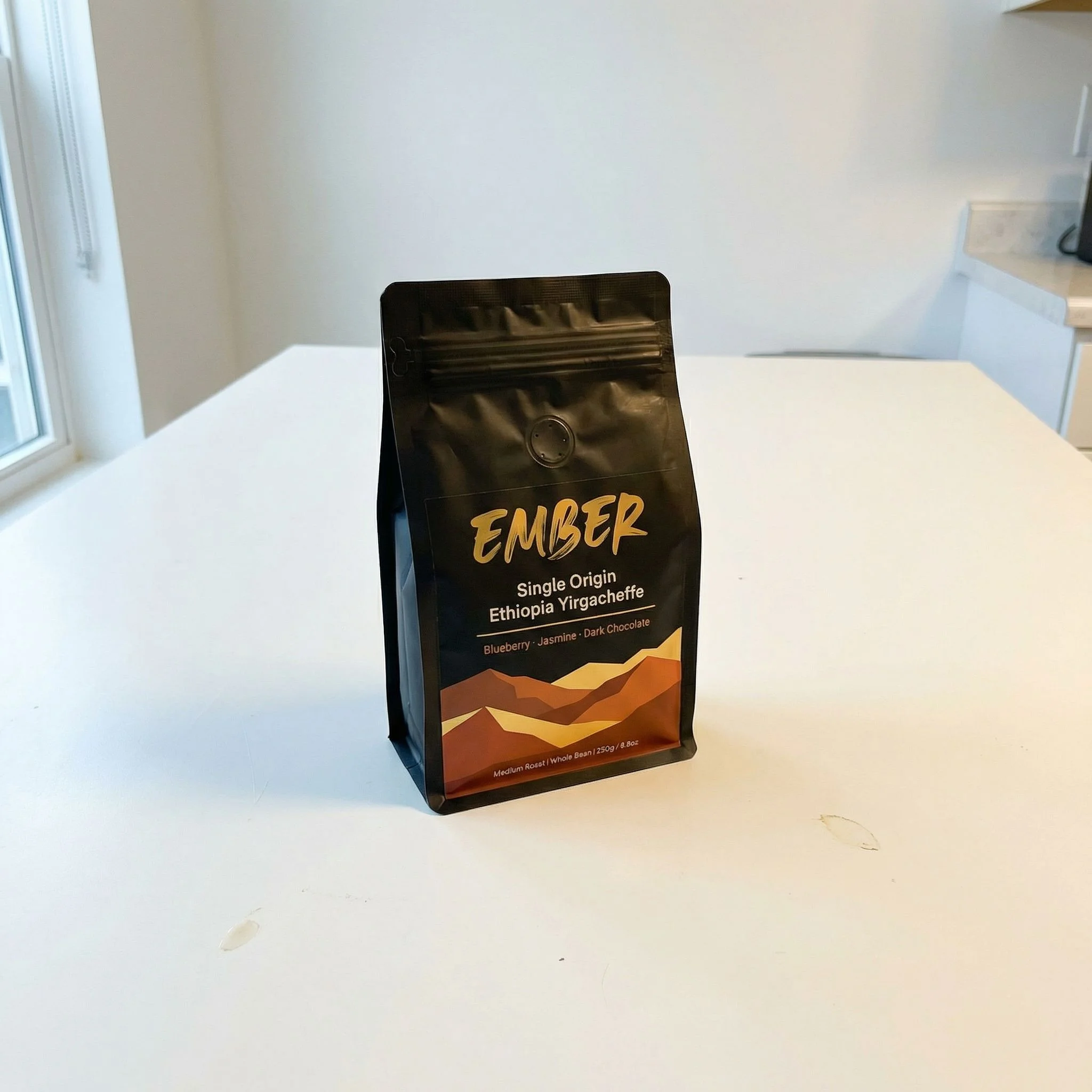
Even with AI's capabilities, a good starting point makes a huge difference. The better your initial product image, the more effectively the AI can work its magic.
Thorough Cleaning is Essential
Before taking your initial product photo, ensure the phone case is immaculately clean. Dust, fingerprints, smudges, or stray fibers will be magnified in high-resolution images and can sometimes interfere with AI's ability to seamlessly integrate the product into new scenes. Use a microfiber cloth and appropriate cleaning solutions.
Capture High-Resolution Base Images
While AI can work with various inputs, providing a clear, well-lit, high-resolution image of the phone case against a plain background (preferably white or neutral) gives the AI the best data to work with. The clearer the details, the more realistic the generated lifestyle photos will be.
Show Key Angles and Features
Take multiple base shots from different angles: front, back, sides, and close-ups of specific features like camera cutouts, charging ports, and button covers. This allows the AI to understand the product's full dimensionality and provides more options for generating diverse lifestyle images.
Consider the Product's Intended Use
Think about how your customers will use the phone case. If it's a rugged case, capture details that highlight its protective qualities. If it's a fashion accessory, focus on its design and finish. This foresight helps you choose the right base images and prompts for AI generation.
Platform-Specific Requirements for Listing Phone Cases Products
Understanding the image requirements of major e-commerce platforms is crucial for ensuring your AI-generated photos are compliant and effective.
Amazon
- Main Image: Must have a pure white background (RGB 255, 255, 255). The product must fill at least 85% of the image frame.
- Resolution: Minimum 1000 pixels on the longest side to enable zoom functionality.
- Secondary Images: Lifestyle shots are encouraged to showcase features and context. Multiple angles are recommended. No watermarks, text, or graphics on the main image.
Etsy
- Focus: Lifestyle images are highly valued on Etsy to convey...


Platform Requirements
| Platform | Requirements |
|---|---|
| Amazon: Pure white background for main image, min 1000px on longest side, lifestyle shots for secondary images. | |
| Etsy: Showcase product in use, high resolution, multiple angles, aspect ratios vary but often 4:3 or 3:2. | |
| Shopify (Own Store): High-resolution images, fast loading, consistent aspect ratios, compelling lifestyle shots. |
Frequently Asked Questions
Is AI product photography as good as a professional photoshoot for phone cases?+
For many e-commerce needs, AI product photography can rival or even surpass traditional photoshoots, especially for phone cases. AI offers unparalleled consistency, speed, and cost-effectiveness, creating diverse lifestyle scenes and perfect lighting without physical setup. While a high-end, bespoke photoshoot might offer unique artistic direction, AI provides scalable, professional results that are often indistinguishable from traditionally shot images, particularly for online listings.
Can AI effectively handle highly reflective phone cases?+
Yes, AI is particularly adept at managing highly reflective surfaces. Unlike traditional photography where glare and unwanted reflections are a constant battle, AI algorithms can simulate perfect lighting conditions, eliminating harsh reflections and ensuring the product's details and true colors are showcased beautifully without distortion. It's one of AI's significant advantages for products like phone cases with glossy finishes or metallic accents.
How do I ensure color accuracy when using AI to generate phone case images?+
To ensure color accuracy, start with a high-quality, color-accurate base image of your phone case taken in neutral lighting. AI platforms then use advanced color correction and rendering techniques to maintain fidelity. Many platforms also offer controls to fine-tune colors if minor adjustments are needed, ensuring the generated images precisely match your physical product's hues.
What if I have hundreds of phone case variants (different models, colors, designs)? Can AI handle that volume?+
Absolutely. AI product photography is specifically designed for scalability. Platforms like Photone AI allow you to upload multiple base images or product URLs, apply consistent 'Styles' across your entire catalog, and generate hundreds or even thousands of images efficiently. This ability to maintain visual consistency and quality at scale is one of AI's biggest benefits for sellers with extensive product lines.
Do I need a professional camera to take the initial product photo for AI generation?+
While a professional camera can provide excellent source images, it's not strictly necessary. Many AI platforms can work effectively with high-quality photos taken with modern smartphones, provided they are well-lit, clear, and focused on the product. The key is to have a clean, detailed, and undistorted base image for the AI to process effectively.
Can I customize the scenes and environments generated by AI for my phone cases?+
Yes, customization is a core feature of AI product photography. Most platforms offer various scene templates, props, and environmental settings to choose from. You can often provide text prompts (like 'phone case on a wooden desk with a latte' or 'rugged case on a rocky mountain path') to guide the AI, allowing you to create highly specific and branded lifestyle images that resonate with your target audience.