
Mastering Stationery Product Photography with AI: A Comprehensive Guide
Unlock professional-grade stationery photos with AI. Overcome challenges like reflections and color accuracy to elevate your e-commerce visuals.
Why Professional Stationery Photos Are Non-Negotiable
In the bustling world of e-commerce, where countless brands vie for attention, stationery products often face a unique challenge: conveying their tactile appeal and intricate beauty through a two-dimensional screen. From the luxurious feel of a premium journal to the vibrant hue of a new ink, the sensory experience of stationery is paramount. This is precisely why professional product photography isn't just an advantage—it's a necessity.
High-quality images serve as your brand's digital storefront, silently communicating value, craftsmanship, and trustworthiness. For stationery sellers, these visuals are critical for several reasons:
- First Impressions & Trust: A crisp, well-lit photo instantly signals professionalism and care, building immediate trust with potential buyers. Conversely, blurry, poorly lit images can deter customers, suggesting a lack of attention to detail or quality.
- Highlighting Detail & Quality: Stationery items, whether intricate pens, textured notebooks, or carefully designed planners, thrive on detail. Professional photos allow customers to zoom in, appreciate the stitching, the paper grain, the subtle shimmer, or the ergonomic design, making a tangible connection even before purchase.
- Conveying Mood & Lifestyle: Stationery isn't just functional; it's often an expression of personal style or a tool for creativity and organization. Professional photos can place your products in aspirational lifestyle contexts – a neatly organized desk, a cozy reading nook, or an artist's studio – helping customers envision the product in their own lives.
- Differentiation in a Crowded Market: The stationery market is diverse. Stellar photography helps your products stand out from competitors, making them memorable and desirable.
- Reduced Returns: Clear, accurate images manage customer expectations regarding color, size, and texture, significantly reducing the likelihood of returns due to visual discrepancies.
The Unique Hurdles of Stationery Product Photography
While the importance of great photos is universal, stationery products come with their own set of specific photographic challenges that can trip up even experienced photographers:
Reflections and Glare
Many stationery items feature reflective surfaces. Think glossy paper, metallic pens, plastic covers on planners, or the sheen of a fountain pen nib. Capturing these without distracting glare or unflattering reflections of your studio setup requires expert lighting control, diffusers, and careful camera angles. Unwanted reflections can obscure details, distort colors, and make a product appear cheap or unprofessional.
Scale and Detail
Stationery products range from tiny paper clips and intricate stamps to large desk organizers and art journals. Accurately conveying their scale and showcasing fine details like engravings, debossing, or precise measurements can be difficult. A wide shot might lose crucial texture, while an extreme close-up might make the item feel dislocated from its context. Achieving a balance that communicates both the overall product and its delicate features requires skilled framing and focus stacking.
Texture and Tactility
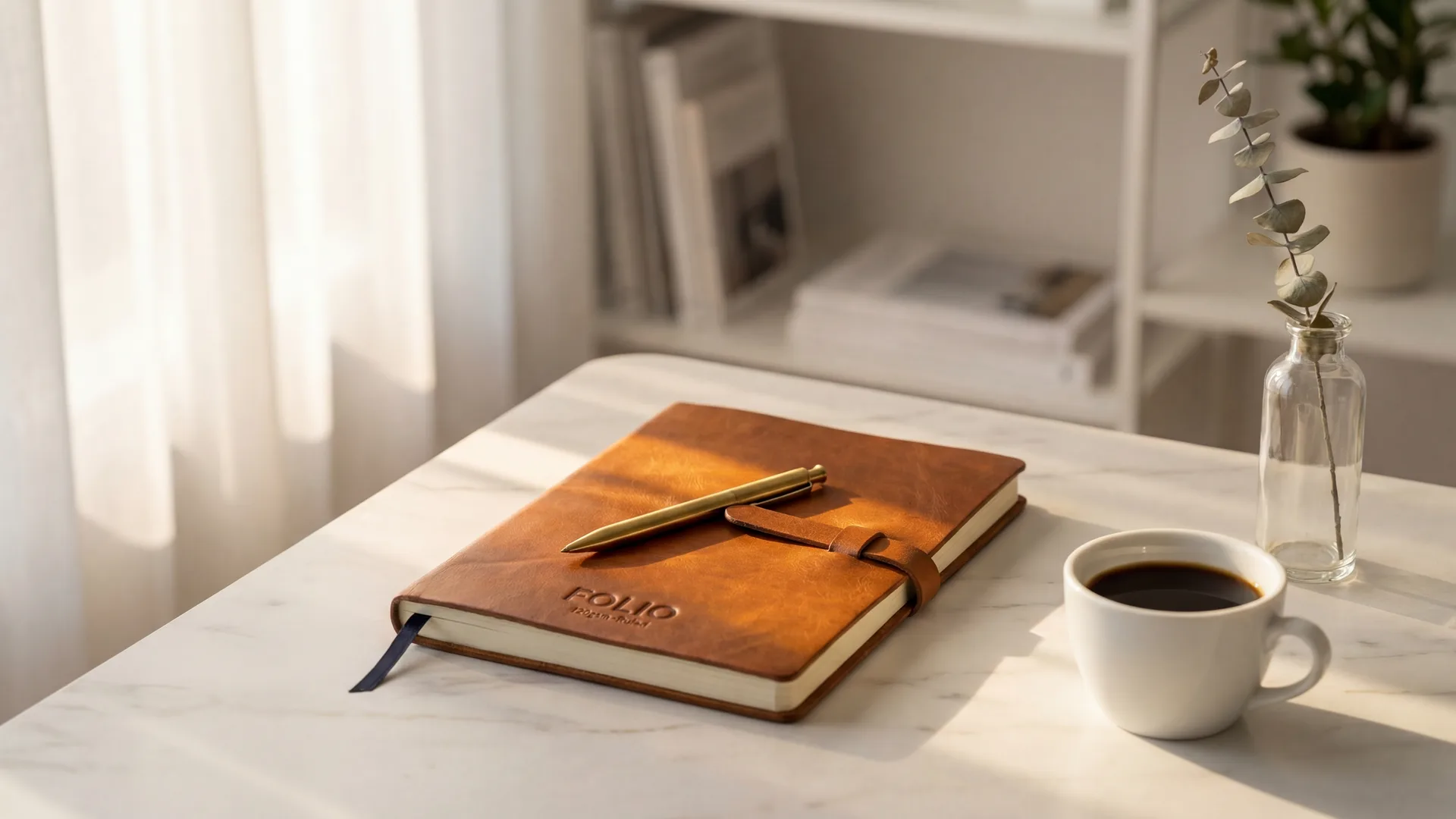
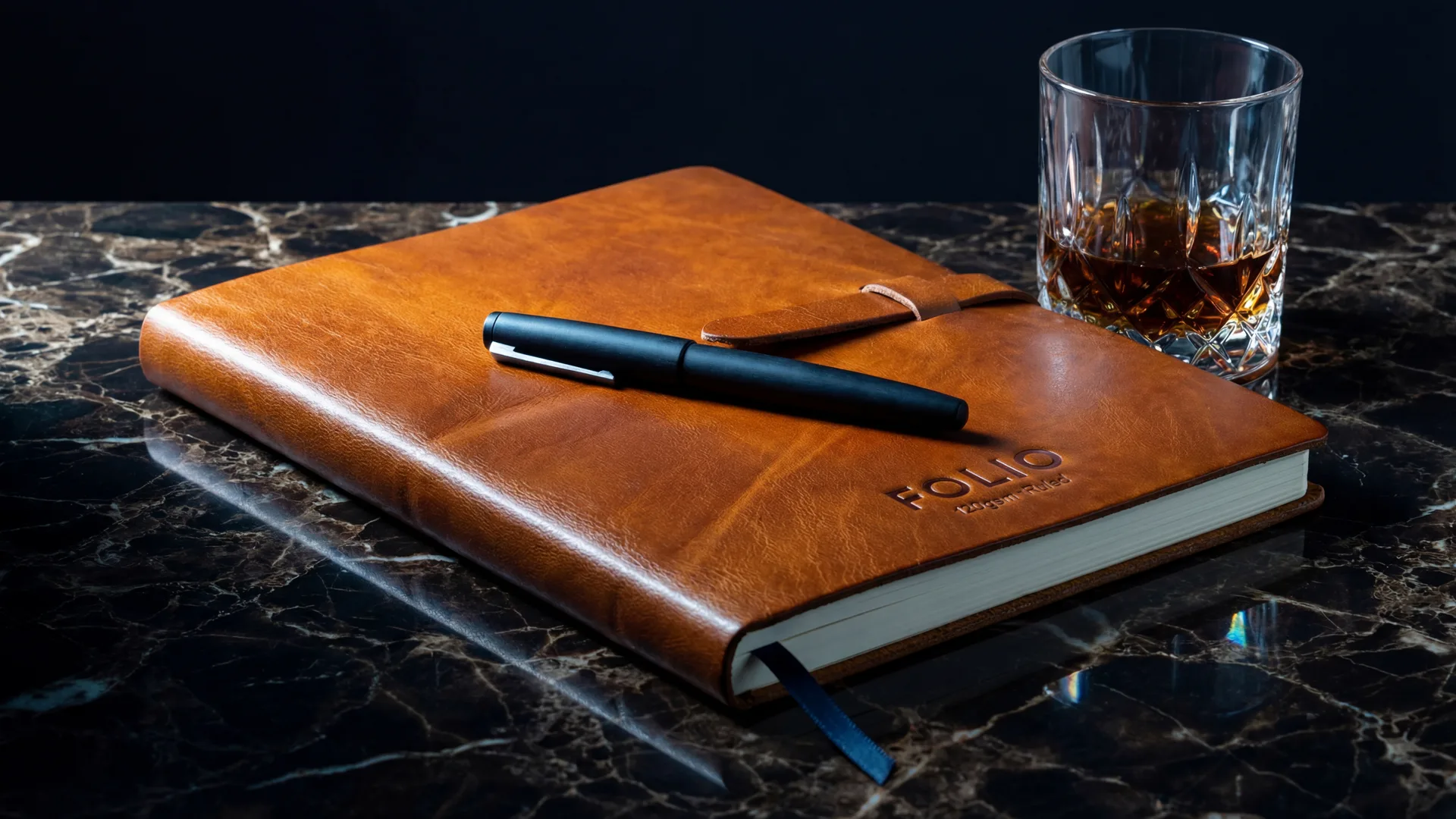
One of the most appealing aspects of stationery is its tactile nature. The tooth of a high-quality paper, the smoothness of a polished pen barrel, the soft grain of a leather journal, or the crispness of a cardstock—these qualities are hard to convey digitally. Traditional photography sometimes struggles to capture these nuances, leaving potential customers unable to 'feel' the product.
Color Accuracy
Color is a critical selling point for many stationery items, from vibrant gel pens and pastel highlighters to specific shades of notebook covers. Ensuring that the colors in your photos precisely match the physical product is paramount. Variations due to lighting, camera settings, or display calibration can lead to customer dissatisfaction if the delivered product looks different from what was seen online.
Composition and Staging
Making everyday items like pens, notebooks, or sticky notes look appealing and aspirational requires creative composition and staging. Crafting visually interesting scenes that enhance the product without overwhelming it, selecting complementary props, and arranging them harmoniously is an art. It demands time, resources, and a good eye for aesthetics.
How AI-Powered Photography Solves These Challenges
This is where AI-powered photography platforms like Photone AI step in, offering revolutionary solutions to the specific pain points of stationery product photography. By leveraging advanced algorithms, AI can transform ordinary product shots into professional, marketing-ready images, often in a fraction of the time and cost of traditional methods.
Conquering Reflections and Glare Automatically
AI's sophisticated image processing capabilities can identify and intelligently mitigate reflections and glare. Instead of painstakingly adjusting lights or using complex post-production techniques, AI can analyze the reflective surfaces of your stationery and generate images that showcase the product cleanly, free from distracting hot spots or unwanted environmental reflections. This ensures that the true color and detail of metallic pens or glossy covers shine through.
Enhancing Scale and Detail with Precision
AI algorithms can meticulously enhance details, ensuring that even the smallest engravings on a pen or the delicate patterns on a washi tape are sharp and clear. Furthermore, AI can generate scenes that accurately represent the scale of your products by placing them alongside contextually relevant (AI-generated) objects, helping customers grasp the item's true size and proportion without needing complex measurements or side-by-side comparisons.
Simulating Realistic Texture and Depth
One of AI's most impressive feats is its ability to simulate and enhance texture. By analyzing your product's initial image, AI can generate lifestyle scenes that vividly portray the tactile qualities of paper, leather, fabric, or plastic. It can create shadows and highlights that emphasize depth and material properties, allowing customers to almost 'feel' the product's texture through the screen, bridging the gap between digital and physical experience.
Achieving Unmatched Color Accuracy
AI-powered platforms often incorporate advanced color correction and management tools. They can analyze the original product image and intelligently adjust colors in the generated lifestyle shots to maintain utmost fidelity. This ensures that the vibrant blues of an ink bottle or the subtle pastels of a planner stay true to life, greatly reducing the risk of color-related customer complaints and returns.
Effortless, Dynamic Staging and Composition
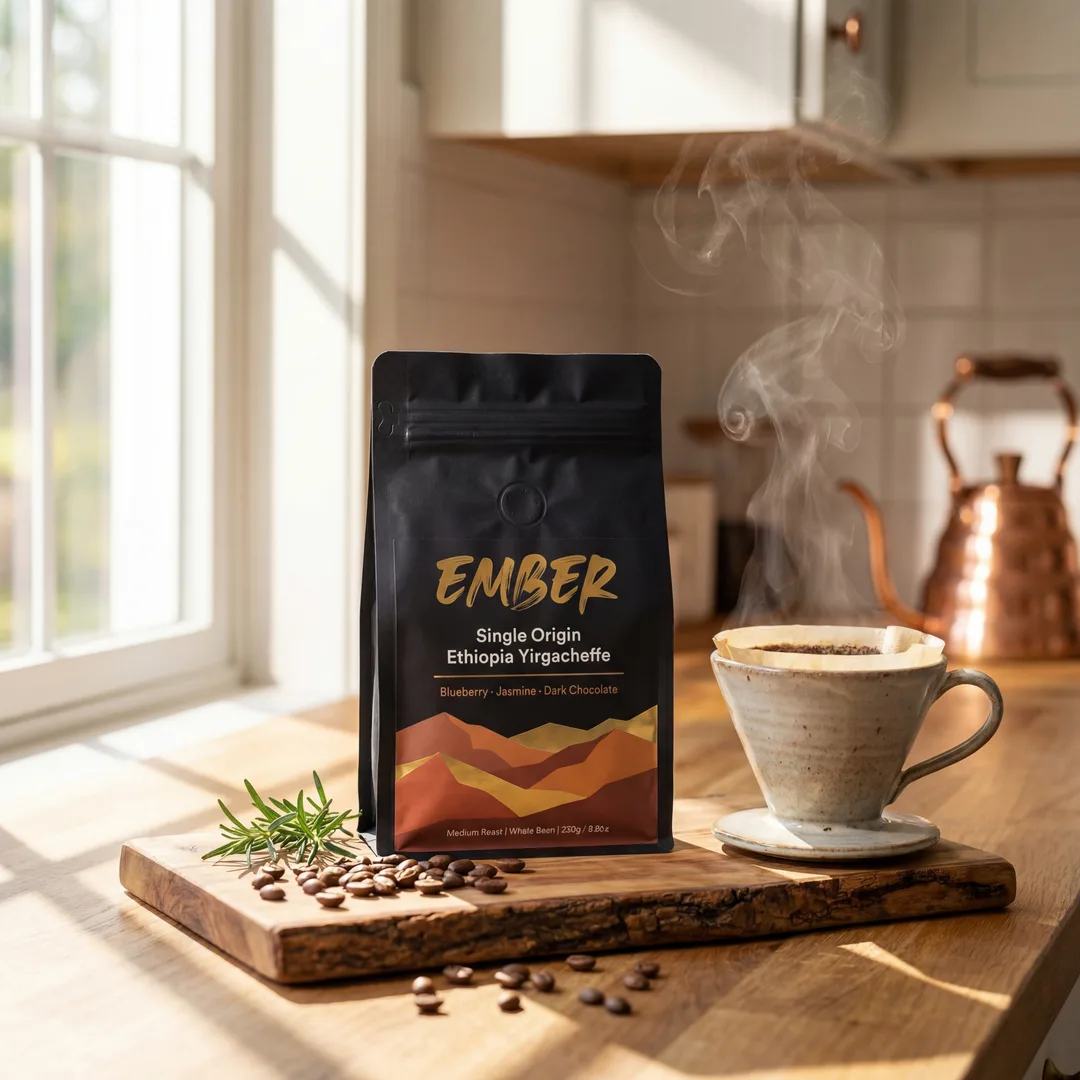
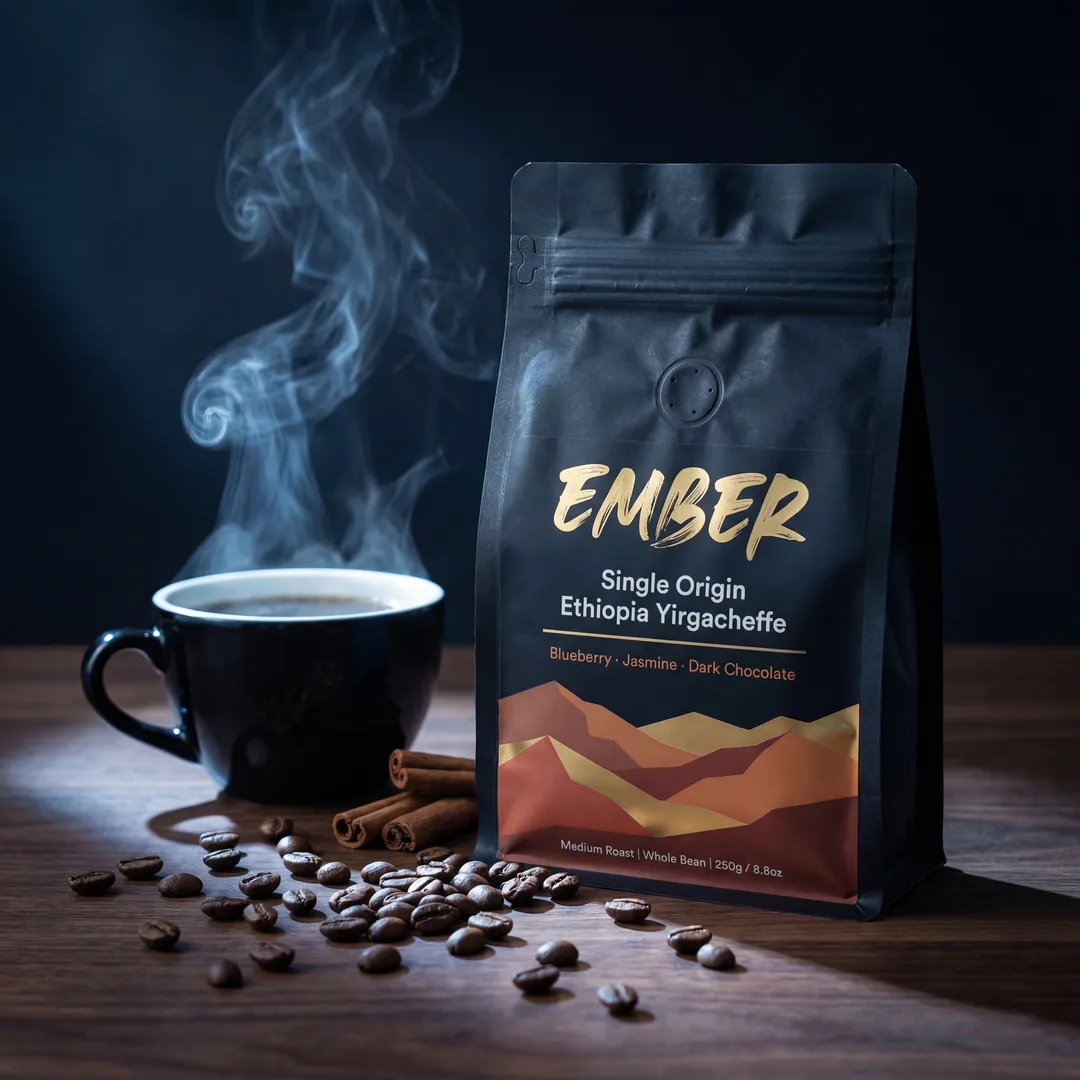
Perhaps one of the biggest game-changers for stationery sellers is AI's ability to create diverse and compelling lifestyle scenes. You no longer need a physical studio, props, or models. With an AI platform, you can virtually place your stationery in an elegant home office, a cozy coffee shop, a vibrant art studio, or a minimalist desk setup. This allows for endless creative possibilities, helping you tell a compelling story around your products without the logistical overhead. The URL-to-photo pipeline, a feature offered by platforms like Photone AI, allows you to simply paste a product URL and receive professional lifestyle photos in as little as 60 seconds, drastically cutting down on setup and photography time.
Preparing Your Stationery for Its AI Close-Up
Even with the power of AI, the quality of your initial product image significantly impacts the final output. Here are essential tips for preparing your stationery products:
- Spotless Cleanliness: Ensure all items are impeccably clean. Remove dust, fingerprints, smudges, and any manufacturing residue. A lint-free cloth and a can of compressed air are your best friends.
- Completeness and Presentation: If your product comes as a set (e.g., a pen with a presentation box, a journal with a matching bookmark), ensure all components are present and arranged neatly. If packaging is part of the product's appeal, capture it clearly.
- Consistency is Key: If you have multiple units of the same product, ensure they all look identical. Any variations in color, finish, or packaging should be consistent across the items you photograph.
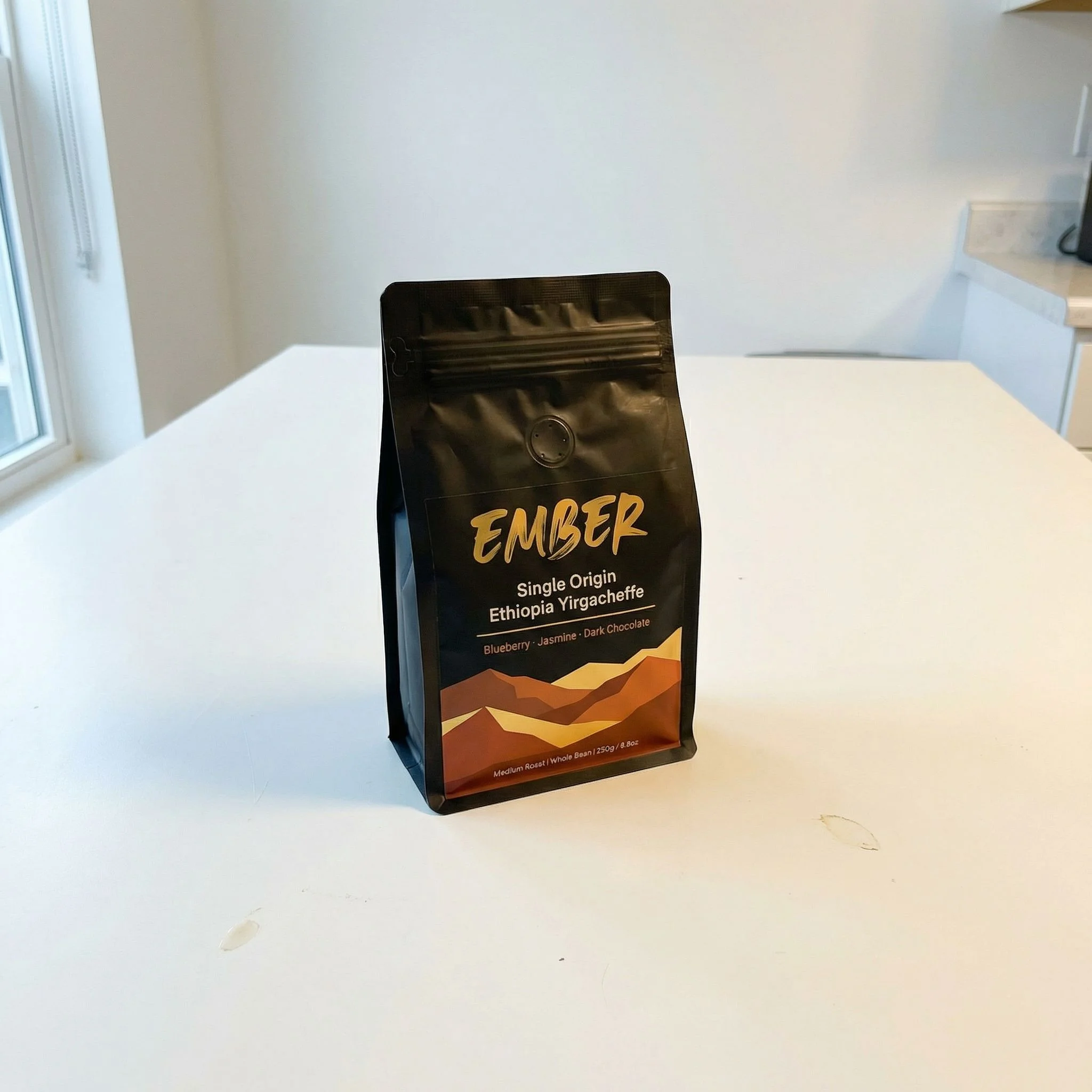
- Simple, Well-Lit Foundation: While AI will build the scene, start with a clear, well-lit photograph of your product on a plain, neutral background (white or light gray is ideal). This provides the AI with the cleanest possible canvas to work from, allowing it to accurately extract the product and integrate it into new scenes.
Platform-Specific Image Guidelines for Stationery Sellers
Understanding the specific requirements of the platforms where you sell is crucial for successful listing and maximum visibility. While AI-generated images offer incredible flexibility, always ensure the final output adheres to the guidelines of your chosen marketplace.
Amazon
- Main Image: Pure white background (RGB 255, 255, 255). Product should fill at least 85% of the image frame.
- Dimensions: Minimum 1000 pixels on the longest side (Amazon recommends 2000 pixels or more for zoom functionality).
- Content: Only the product itself on the main image; no text, logos, or watermarks.
- Additional Images: Can include lifestyle shots, close-ups, scale representations, and packaging, but the main image must meet strict requirements.
Etsy
- Dimensions: Minimum 2000 pixels on the shortest side, high resolution encouraged.
- Variety: Etsy encourages multiple angles, close-ups showing texture, and lifestyle shots that convey the product's use or aesthetic.
- Branding: Allows for branding, logos, and stylized backgrounds, fitting for unique stationery items.
- Video: Supports short video clips, which can be excellent for showcasing texture or functionality.
Shopify / Your Own Website
- High Resolution: Aim ...


Platform Requirements
| Platform | Requirements |
|---|---|
| Amazon: Pure white background (RGB 255, 255, 255), image must be at least 1000px on the longest side (ideally 2000px+), product fills at least 85% of the frame. | |
| Etsy: Minimum 2000px on the shortest side, high resolution, multiple angles, lifestyle shots encouraged. | |
| Shopify: High-resolution (2048px on the longest side recommended), consistent aspect ratio across images, web-optimized for fast loading. |
Frequently Asked Questions
Is AI photography truly 'authentic' for handmade stationery?+
Yes, AI photography can be highly authentic. While the background and scene might be AI-generated, the core product image you provide is real. AI enhances this real product by placing it in context, creating a specific mood, or highlighting details, often achieving a level of visual storytelling that a simple white background photo cannot. It's about enhancing reality, not replacing it.
How does AI handle unique paper textures or materials like leather?+
Advanced AI models are trained on vast datasets of real-world materials, allowing them to accurately interpret and simulate textures like the grain of paper, the feel of linen, or the subtle imperfections of leather. By analyzing your initial product image, AI can generate lighting and shadows that emphasize these tactile qualities, making them visually appealing and realistic in the final generated scene.
Can AI create specific themed scenes (e.g., minimalist desk, cozy reading nook) for my stationery?+
Absolutely! This is one of AI photography's greatest strengths. Platforms like Photone AI allow you to select or describe desired scene templates or 'styles' – such as a minimalist workspace, a vibrant creative studio, a cozy reading corner, or an elegant corporate desk. The AI then integrates your product seamlessly into these custom-generated environments, perfect for conveying specific brand aesthetics or seasonal themes.
What if my stationery has very specific colors I need to match exactly?+
Color accuracy is a high priority for AI product photography. While starting with a well-lit, color-accurate initial product photo is crucial, AI platforms often incorporate sophisticated color correction algorithms. They can maintain the integrity of your product's colors within the generated scene, ensuring that the final images closely represent the actual product. Many platforms also offer post-generation editing features for fine-tuning.
Is AI photography suitable for very small items like stickers or paper clips?+
Yes, AI photography is highly suitable for small items. AI excels at generating close-ups and detail shots, making tiny products feel substantial and showcasing their intricate designs. It can also place these small items in context (e.g., a sticker on a planner page, paper clips neatly arranged), helping customers visualize their size and utility more effectively than a standalone studio shot.
How many images can I generate with AI compared to a traditional photoshoot?+
The number of images you can generate with AI is significantly higher and much faster than a traditional photoshoot. A traditional shoot might yield a handful of good images per product over hours or days. With AI, you can generate dozens, even hundreds, of unique lifestyle variations for a single product in minutes, allowing for extensive A/B testing and diverse marketing campaigns.
Do I still need to take *any* photos if I'm using AI for my stationery products?+
Yes, you'll still need to provide an initial, high-quality photograph of your stationery product on a simple, neutral background. This 'base image' is what the AI uses to accurately extract your product and place it into the generated scenes. The better your initial photo (clear, well-lit, no clutter), the better the AI's final output will be.