
Sharpen Your Vision: The Ultimate Guide to AI Product Photography for Sunglasses
Transform your eyewear listings with AI-powered photography. Discover how to overcome common challenges and create stunning, consistent lifestyle images for you
Why Professional Product Photos Matter for Sunglasses Sellers
In the vibrant world of e-commerce, where consumers shop with their eyes, visual appeal isn't just a nice-to-have – it's a non-negotiable. For sunglasses sellers, this truth is amplified. Sunglasses are more than just functional eyewear; they're fashion statements, personal declarations, and crucial accessories that complete an outfit. Without the ability to physically try them on, your customers rely almost entirely on the quality and diversity of your product images to make a purchasing decision.
High-quality, professional photography is your silent salesperson. It communicates brand identity, showcases the intricate details of your frames, and, most importantly, helps potential buyers envision themselves wearing your product. Blurry, poorly lit, or inconsistent photos can convey a lack of professionalism, erode trust, and leave customers questioning the quality of your eyewear before they even read a single product description. Conversely, stunning images can elevate your brand, build desire, and significantly boost conversion rates, making the investment in superior photography one of the smartest moves an eyewear seller can make.
Common Photography Challenges Specific to Sunglasses Products
Photographing sunglasses presents a unique set of hurdles that can frustrate even seasoned photographers. These challenges often require specialized equipment, techniques, and a keen eye for detail. Here's what makes sunglasses product photography particularly tricky:
Reflections and Glare
The most notorious challenge is managing reflections. Lenses are highly reflective, easily picking up light sources, camera equipment, and even the photographer themselves. This glare can obscure the lens tint, distort the frame, and make the sunglasses appear cheap or unappeven. Achieving a clean, reflection-free shot often demands complex lighting setups and precise angles.
Accurate Color Representation
Sunglasses come in a dizzying array of colors, from subtle tints to vibrant, opaque frames. Accurately capturing these colors is paramount, as discrepancies between the on-screen image and the actual product are a leading cause of returns. Factors like lighting temperature, camera settings, and even screen calibration can all affect color fidelity, making consistency a constant battle.
Showcasing Details and Textures
From the delicate etching on a metal frame to the subtle grain of an acetate finish or the precision of a hinge mechanism, sunglasses are often rich in fine details. Capturing these nuances requires sharp focus, appropriate lighting to highlight textures without overexposing, and multiple angles to reveal every selling point. Overlooking these details means losing an opportunity to showcase craftsmanship.
Scale, Fit, and Lifestyle Context
One of the biggest questions customers have is, "How will these look on me?" Static product shots on a white background, while necessary, don't answer this. Providing context for scale and fit, and demonstrating how the sunglasses look in a real-world setting, typically requires hiring models, scouting locations, and orchestrating expensive lifestyle shoots. This can be a significant logistical and financial barrier for many sellers.
Lens Transparency and Tint
Demonstrating the actual transparency or tint of a lens can be incredibly difficult. A dark lens might appear opaque in a photo, but in reality, offers a clear view. Conversely, a seemingly clear lens might have a subtle tint not captured accurately. Conveying this aspect truthfully is crucial for managing customer expectations.
How AI-Powered Photography Solves These Challenges
This is where AI-powered product photography emerges as a game-changer, offering innovative solutions to these long-standing challenges. By leveraging advanced algorithms and machine learning, AI platforms can bypass many of the traditional complexities and costs associated with professional photoshoots.
Eliminating Reflections and Perfecting Lighting
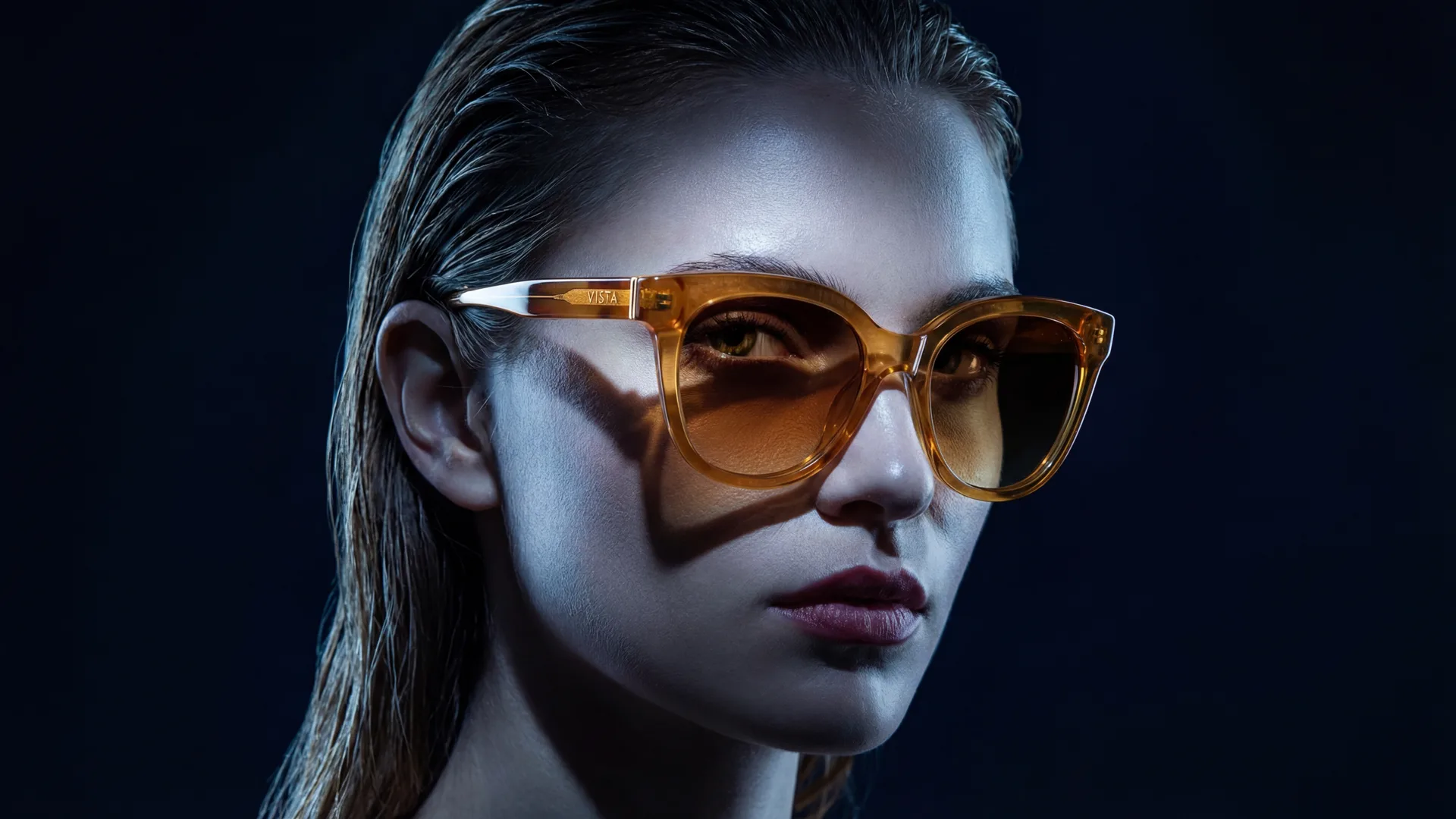
AI excels at image manipulation, capable of virtually re-lighting a product and intelligently removing unwanted reflections and glare from lenses and frames. It can generate perfectly diffused lighting environments that highlight your sunglasses without any distracting hot spots, ensuring a clean, polished look every time. This means sellers can achieve studio-quality results without a physical studio.
Ensuring Color Accuracy and Consistency
AI tools can analyze and correct color discrepancies, ensuring that the hues of your sunglasses are faithfully represented across all your product images. This level of calibration helps to maintain visual consistency throughout your catalog, reducing the likelihood of returns due to color variations and building greater customer confidence.
Creating Diverse Lifestyle Scenarios with Ease
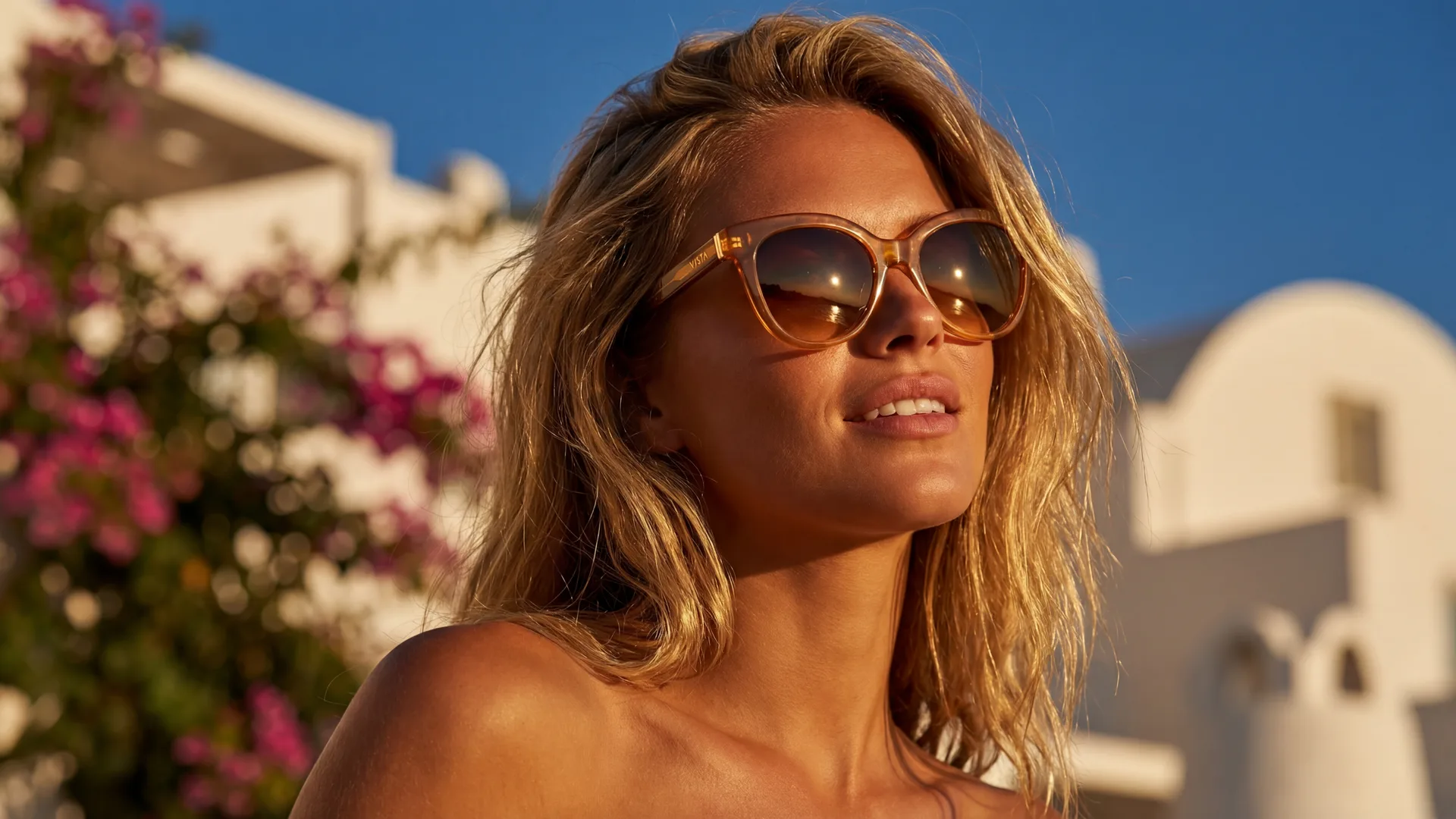
Perhaps the most transformative aspect for sunglasses is AI's ability to generate realistic lifestyle images from a single product photo. Instead of expensive model shoots, AI can place your sunglasses into a multitude of compelling scenes – from a beach vacation to an urban coffee shop, a mountain hike, or a stylish driving scenario. This allows sellers to quickly create a rich tapestry of sunglasses lifestyle images that resonate with different customer demographics, showcasing the product in context and answering that crucial "how will they look on me?" question implicitly.
Efficiency and Scalability
AI platforms dramatically reduce the time and cost associated with generating high-quality visuals. What once took days or weeks (photoshoots, post-production, model booking) can now be accomplished in minutes. This speed and efficiency allow sellers to scale their content creation, test different marketing angles, and keep their product listings fresh and engaging without breaking the bank.
Tips for Preparing Sunglasses Products for Photography
Even with the power of AI at your disposal, a good starting point makes all the difference. The quality of your input image directly impacts the quality of the AI-generated output. Here are essential tips for preparing your sunglasses for photography:
- Thorough Cleaning: This is paramount. Fingerprints, dust, smudges, and stray fibers are magnified in high-resolution photos. Use a microfiber cloth and a gentle lens cleaner to ensure your sunglasses are spotless. Pay close attention to both lenses and frames.
- Inspect for Imperfections: Before you even set up your shot, meticulously inspect each pair of sunglasses for any scratches, dents, or manufacturing defects. Address these if possible, or select a pristine sample for photography.
- Consistent Positioning: Decide on a standard presentation for your initial product shot. Should the arms be folded neatly? Slightly open? Fully open? Consistency here makes your catalog look more professional. For lifestyle shots, an open position is usually preferred to display the full frame and lenses.
- Ensure Branding is Visible: If your brand logo is on the arm or lens, try to position the sunglasses so this detail is subtly visible in at least one or two shots, reinforcing your brand identity.
- Neutral Background for Source Images: While AI can generate any background, your initial product shot should ideally be on a clean, neutral, non-reflective background (like white or light gray). This gives the AI the cleanest possible product isolation to work with.
Platform-Specific Requirements for Listing Sunglasses Products
Understanding the image requirements of major e-commerce platforms is crucial for ensuring your eyewear photos AI-generated or otherwise, are approved and perform well.
Amazon
- Main Image: Must be on a pure white background (RGB 255, 255, 255). The product must fill at least 85% of the image frame. No text, logos, or watermarks. The product should be clearly visible and in focus.
- Resolution: Minimum of 1000px on the longest side to enable zoom functionality.
- Additional Images: Allow for lifestyle shots, different angles, detail shots, and packaging. These can feature models and various backgrounds.
Shopify/Etsy
- High Resolution: Both platforms strongly recommend high-resolution images (at least 2048x2048px for Shopify for optimal zoom; Etsy suggests 2000px on the shortest side). Blurry images deter buyers.
- Multiple Angles: Provide a variety of shots – front, back, side, folded, open, and close-ups of unique details.
- Lifestyle Shots: Highly encouraged to help customers visualize the product. Etsy, in particular, thrives on aesthetic and lifestyle imagery.
- Consistency: Maintain a consistent aesthetic across all your product listings for a cohesive brand experience.
Instagram/Social Media
- Aesthetic Appeal: Focus on visually engaging and aspirational content. Lifestyle shots featuring models, scenic backgrounds, and creative compositions perform best.
- Storytelling: Use images to tell a story about your brand and the lifestyle associated with your sunglasses.
- High Engagement Formats: Utilize carousels, Reels, and Stories to showcase multiple aspects of your product and engage your audience.
How Photone AI's Style System Helps Maintain Visual Consistency Across a Sunglasses Catalog
One of the most significant advantages for eyewear sellers using AI photography is the ability to achieve unprecedented visual consistency, which is vital for brand building and customer trust. Photone AI addresses this directly with its innovative "Reusable Styles" system.
Photone AI's Styles are essentially photography templates that encode a specific mood, lighting setup, composition, and color palette. Imagine creating a perfect beach scene with golden hour lighting for one pair of sunglasses. With Photone AI, you can save that exact setup as a "Style" and apply it instantly to every other pair in your catalog. This ensures that whether you're showcasing aviators, cat-eyes, or wayfarers, they all appear within the same harmonious and professional aesthetic.
This consistency is not j...


Platform Requirements
| Platform | Requirements |
|---|---|
| Amazon | Pure white background for main image, product fills >85% of frame, minimum 1000px on longest side, no text/watermarks on main. |
| Shopify/Etsy | High resolution (2000px+), multiple angles, strong encouragement for lifestyle shots, consistent aesthetic. |
| Highly aesthetic and aspirational visuals, focus on lifestyle and storytelling, high engagement formats (carousels, Reels). |
Frequently Asked Questions
Can AI truly remove reflections from sunglass lenses without distortion?+
Yes, advanced AI algorithms are highly effective at identifying and intelligently removing reflections and glare from sunglass lenses. They can analyze the surrounding environment and the lens's natural properties to generate a clean, clear image that looks natural, often outperforming traditional manual retouching in speed and consistency.
How accurate is AI at representing the true color of sunglasses?+
AI tools are designed to analyze and correct color discrepancies caused by camera settings or lighting, aiming for high color fidelity. While it's always good practice to start with a well-lit, color-accurate source image, AI can significantly enhance consistency and ensure that the on-screen colors closely match the physical product, reducing customer disappointment and returns.
Do I still need a professional photographer if I use AI for my sunglasses photos?+
AI photography platforms like Photone AI can significantly reduce or even eliminate the need for traditional professional photoshoots for many e-commerce scenarios, especially for product and lifestyle shots. However, for highly specialized or unique campaigns that require complex art direction, a professional photographer might still be beneficial for capturing the initial high-quality product assets.
What kind of initial image do I need to input into an AI photography platform for sunglasses?+
For best results, you'll want a high-resolution, well-lit image of your sunglasses on a clean, neutral background (like white or light gray). Ensure the product is in sharp focus, free of dust or fingerprints, and positioned clearly. The better the input image, the more spectacular the AI-generated lifestyle photos will be.
Can AI help create diverse lifestyle photos for different target audiences for my sunglasses?+
Absolutely. AI is excellent for this. From a single product image, you can generate numerous lifestyle scenes targeting various demographics or occasions – whether it's an adventurous outdoor shot, a chic urban look, or a relaxed beach vibe. This allows you to tailor your visuals precisely to different marketing campaigns and customer segments without expensive photoshoots.
How does Photone AI ensure my brand's visual identity remains consistent across many sunglass products?+
Photone AI's 'Reusable Styles' system allows you to save and apply specific photography templates (encompassing mood, lighting, composition, and color palette) across your entire product catalog. Once you've created a look you love for one product, you can instantly apply it to all others, ensuring a consistent and professional brand aesthetic. Its 'Brand DNA extraction' can even suggest styles that match your existing brand.