

Mastering Tools & Hardware Photography: An AI-Powered Guide for E-commerce Sellers
Discover how AI-powered photography solves unique challenges for tools & hardware sellers, enhancing visuals, building trust, and driving sales.

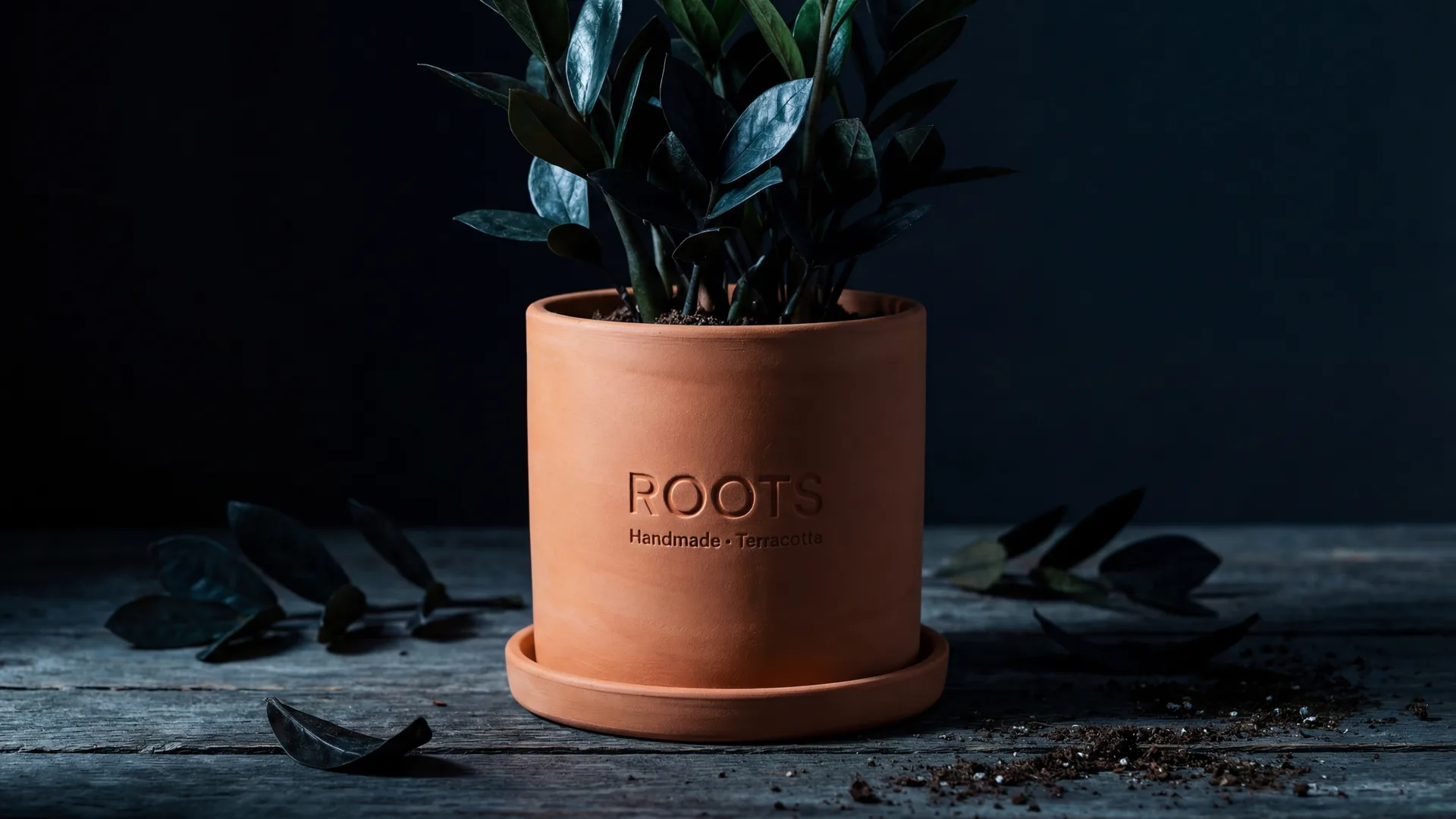
In the world of e-commerce, a picture isn't just worth a thousand words – it's often worth a sale. While fashion and home goods sellers have long prioritized stunning visuals, the tools and hardware sector might seem less reliant on 'pretty' pictures. However, this perception couldn't be further from the truth. For products designed for utility and durability, professional, high-quality images are not just an aesthetic choice; they are a critical component of building trust, conveying quality, and ultimately, securing conversions.
Why Professional Product Photos are Non-Negotiable for Tools & Hardware Sellers
For businesses selling everything from power tools to delicate circuit components, the visual representation of their products online carries immense weight. Unlike browsing in a physical store where customers can touch, feel, and inspect items, online shoppers rely almost entirely on images to make informed decisions. This is especially true for tools and hardware, where precision, material quality, and functionality are paramount.
Building Trust and Credibility
A professional image signals professionalism from the seller. When customers see crisp, well-lit photos that accurately depict a wrench, drill, or specialized fastener, it instills confidence in the product's quality and the seller's reliability. Poor, blurry, or inconsistent photos, conversely, can raise doubts about the product's authenticity or condition, leading to abandoned carts.
Showcasing Functionality and Detail
Tools and hardware often have intricate features, specific textures, or unique mechanisms that define their utility. High-resolution images allow potential buyers to zoom in, examine connection points, read engravings, or understand the ergonomic design of a handle. Lifestyle shots can demonstrate the product in use, clarifying its purpose and showing its scale in a practical context.
Overcoming Online Limitations
Since buyers can't physically interact with the products, photography must compensate for this tactile gap. Dimensions, weight (visually implied), material finish, and how a tool fits into a hand or a specific task – all these attributes must be conveyed effectively through visuals. Multiple angles and close-ups are essential to provide a comprehensive view.
Standing Out from the Competition
The online marketplace for tools and hardware is highly competitive. Unique, compelling tool product photography can differentiate your listings from those using generic manufacturer photos or low-quality snapshots. Striking visuals capture attention, drawing shoppers to your brand over competitors.
Unique Photography Challenges for Tools & Hardware Products
While the need for excellent imagery is clear, tools and hardware present a distinct set of challenges for traditional photographers. These difficulties often add significant time, cost, and complexity to the production process.
Reflections and Glare
Many tools, such as chrome wrenches, polished metal components, or glossy power tool casings, are highly reflective. Capturing these items without distracting hot spots, unwanted reflections from the environment, or the photographer themselves is a common headache. This requires sophisticated lighting setups, diffusers, and often extensive post-production editing.
Accurate Scale and Proportion
Conveying the true size of a product, especially when it's sold individually (like a single bolt or a large saw blade), can be tricky. Without a clear reference, a customer might misjudge the scale, leading to dissatisfaction or returns. Contextual photos are crucial but hard to stage consistently.
Texture and Material Definition
Tools are made from a diverse range of materials: hardened steel, soft-grip rubber, various plastics, wood, and composite materials. Accurately depicting these different textures and their unique finishes – distinguishing between a matte plastic casing and a coarse metal grip, for example – is vital for communicating quality and functionality. This demands precise lighting and sharp focus.
Color Accuracy
From safety-yellow power tools to specific branded color schemes or even the precise hue of a metal finish, color accuracy is paramount. Inaccurate color representation can lead to customer disappointment, especially if a tool's color indicates a specific model, brand, or safety feature. Achieving true-to-life color can be a challenge with varying light sources and camera settings.
Weight and Bulk
Heavy or bulky items can be difficult to maneuver and stage for a photoshoot. Large machinery, toolkits, or heavy-duty hardware require robust stands and often specialized handling, adding to logistical complexities and potential safety concerns in a traditional studio environment.
How AI-Powered Photography Solves These Challenges
Enter AI-powered product photography – a game-changer for the tools and hardware sector. This innovative approach leverages artificial intelligence to generate professional-grade lifestyle images from basic product shots, effectively sidestepping many of the traditional challenges.
Eliminating Glare and Reflections Automatically
AI models are adept at analyzing an image and intelligently removing or softening unwanted reflections and glare. Instead of complex lighting setups and tedious manual retouching, AI can render shiny surfaces beautifully, presenting your hardware photos with clarity and appeal without the hassle. This ensures that the product's true form and finish shine through.
Perfecting Scale and Context with AI-Generated Scenes
One of the most powerful aspects of AI photography is its ability to generate realistic and contextually relevant backgrounds. Need to show a wrench in a workshop setting, a drill on a construction site, or a small component on a workbench next to a familiar object? AI can create these scenes, providing immediate scale and demonstrating the product's intended use. Platforms like Photone AI allow you to paste a product URL and get lifestyle photos in 60 seconds, creating perfect contexts without ever needing a physical prop or location.
Enhancing Texture and Material Definition
AI algorithms, trained on vast datasets of materials and textures, can accurately interpret and enhance the tactile qualities of your products. It can bring out the fine grain of a hammer handle, the precision grooves of a screw, or the rugged finish of heavy machinery, ensuring that the material definition is clear and appealing to the discerning buyer. This makes your hardware photos AI-generated, yet incredibly realistic.
Maintaining Color Fidelity
AI systems are designed to maintain excellent color accuracy, ensuring that the digital representation of your tool or hardware matches its real-world counterpart. This consistency is crucial for branding, product differentiation, and customer satisfaction, reducing the likelihood of returns due to color discrepancies.
Dynamic Staging and Cost-Efficiency
AI photography eliminates the need for physical staging, props, and expensive studio time. It can place heavy power tool images in dynamic, engaging environments that would be impossible or cost-prohibitive to achieve with traditional methods. This translates into significant cost savings and faster time-to-market for new products, allowing you to generate diverse visual content for your entire catalog rapidly.
Tips for Preparing Your Tools & Hardware Products for AI Photography
While AI does much of the heavy lifting, the quality of your initial product image is still foundational. A good starting point empowers the AI to deliver exceptional results.
Cleanliness is Key
Before taking your initial product photo, ensure the item is meticulously clean. Dust, fingerprints, smudges, and grease marks will be captured by your camera and, while AI can clean up some imperfections, starting with a pristine product yields the best outcome. For tools, this might mean wiping them down, removing any manufacturing residue, or ensuring a fresh, unblemished surface.
Good, Even Lighting
Use soft, diffused lighting that illuminates the product evenly from all sides. Avoid harsh shadows or extreme highlights that obscure details. Natural daylight (indirect, near a window) or a simple lightbox setup works well. The goal is to provide the AI with a clear, unambiguous view of the product's shape, contours, and initial texture.
Clear Background Simplicity
Photograph your tool or hardware against a clean, neutral background – a plain white or light gray wall, a sheet, or a lightbox backdrop is ideal. This helps the AI easily isolate the product from its surroundings, making the background replacement process seamless and accurate.
Multiple Angles and Perspectives
While a single good front-facing shot is often enough, providing the AI with images from a few different angles (front, back, side, top) can help it better understand the product's three-dimensional form. This can lead to more accurate and varied lifestyle image generations, especially for complex power tool images.
Platform-Specific Image Requirements for Listing Tools & Hardware Products
Regardless of how you generate your images, adhering to platform-specific guidelines is crucial for listing success. While requirements vary, here are common themes across popular e-commerce sites:
Amazon
Amazon typically requires product images to have a pure white background (RGB 255, 255, 255) for the main image. Images must be at least 1000 pixels on the longest side to enable zoom functionality, preferably 1600 pixels or more. The product should fill at least 85% of the image frame. Lifestyle images showing the product in use are permitted as secondary images but not as the primary hero shot.
eBay
eBay allows more flexibility with backgrounds for secondary images but generally recommends a white or neutral background for the main photo. Images should be at least 500 pixels on the longest side, with 1600 pixels or more being ideal. They emphasize clear, sharp images that accurately represent the product, often encouraging multiple angles to give buyers a compl...
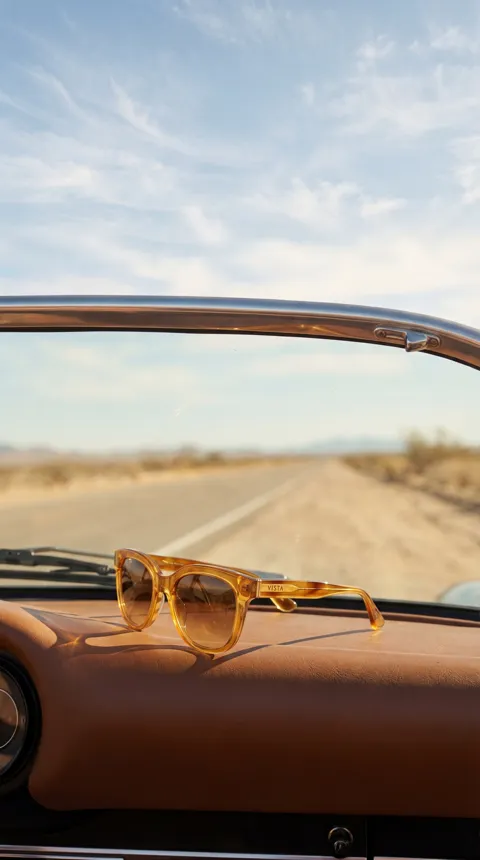

Platform Requirements
| Platform | Requirements |
|---|---|
| Amazon: Pure white background for main image, min 1000px longest side, product fills 85% of frame. | |
| eBay: Clear, sharp images, min 500px longest side (1600px recommended), various angles encouraged. | |
| Specialty Retailers: High-resolution images, specific angles for technical details, consistent lighting/background. |
Frequently Asked Questions
Is AI product photography as good as traditional photography for tools?+
For many e-commerce applications, AI product photography can rival and often surpass traditional methods, especially in terms of cost, speed, and consistency. AI excels at generating realistic lifestyle scenes, perfecting lighting, and removing reflections, making it incredibly effective for tools and hardware where these elements are crucial.
Can AI handle highly reflective metal tools and hardware?+
Yes, AI is particularly adept at handling reflective surfaces. Advanced AI algorithms can intelligently remove unwanted glare and reflections, ensuring that the true form and finish of polished metals, chrome, or glossy plastics are accurately and appealingly represented without hot spots or distortions.
How much control do I have over the final image generated by AI?+
AI platforms like Photone AI offer significant control. You provide the initial product image and can select or create specific 'styles' or 'scene templates' that dictate the mood, lighting, composition, and background. This allows you to guide the AI to generate images that perfectly match your brand's aesthetic and specific product context.
Is AI product photography expensive for a large catalog of tools?+
Typically, AI product photography is significantly more cost-effective than traditional methods, especially for large catalogs. It eliminates the need for expensive studios, props, models, and extensive manual post-production. Many platforms offer tiered pricing, including free credits, making it accessible for businesses of all sizes to scale their visual content efficiently.
What kind of initial product image is needed for AI to work effectively?+
For the best results, start with a clear, well-lit image of your product against a simple, neutral background (like white or light gray). Ensure the product is clean, free of smudges, and in focus. The better the input image, the more effectively the AI can isolate the product and generate high-quality lifestyle scenes around it.
Can AI create images that show tools in use or demonstrate functionality?+
Absolutely. AI-powered platforms can generate sophisticated lifestyle images that depict tools in various usage scenarios, such as a drill being used on a workbench, a wrench in a garage, or hardware components integrated into a larger assembly. This helps customers visualize the product's function and scale in a real-world context.