
Mastering Alibaba Product Photography: A Comprehensive Guide for Global Sellers
Boost your Alibaba sales and rankings with high-quality product photos. Learn specific image requirements, best practices, and how AI tools like Photone AI can
As an e-commerce marketplace optimization specialist, I've seen firsthand how a single image can make or break a deal. On a platform as vast and competitive as Alibaba, your product photography isn't just an accessory—it's your most potent sales tool. High-quality, compliant, and captivating images are crucial for attracting international buyers, establishing trust, and ultimately driving conversions. This comprehensive guide will walk you through everything you need to know about Alibaba product photography, from technical requirements to advanced strategies and the role of AI in streamlining the process.
Understanding Alibaba's Image Requirements
Meeting Alibaba's specific image requirements is the foundational step towards a successful listing. Non-compliant images can lead to suppressed listings, reduced visibility, or even rejection. Adhering to these guidelines ensures your products are displayed professionally and consistently across the platform.
General Technical Specifications
- Dimensions: Alibaba recommends a minimum of 1000x1000 pixels for all images to enable the zoom function, allowing buyers to inspect details. A 1:1 aspect ratio (square) is ideal for consistency across your product gallery.
- Format: Acceptable file formats include JPG, JPEG, and PNG. These formats offer a good balance of quality and file size.
- File Size: Each image should not exceed 5MB. Larger files can slow down page loading, negatively impacting user experience and potentially hurting your search ranking.
- Resolution: Aim for a resolution of 72 DPI (dots per inch), which is standard for web images. High resolution combined with optimal dimensions ensures clarity without excessive file size.
Main Image Specifics: The Gateway to Your Product
Your main image is the first impression a buyer gets, often determining if they click through to your product page. Alibaba has strict rules for these:
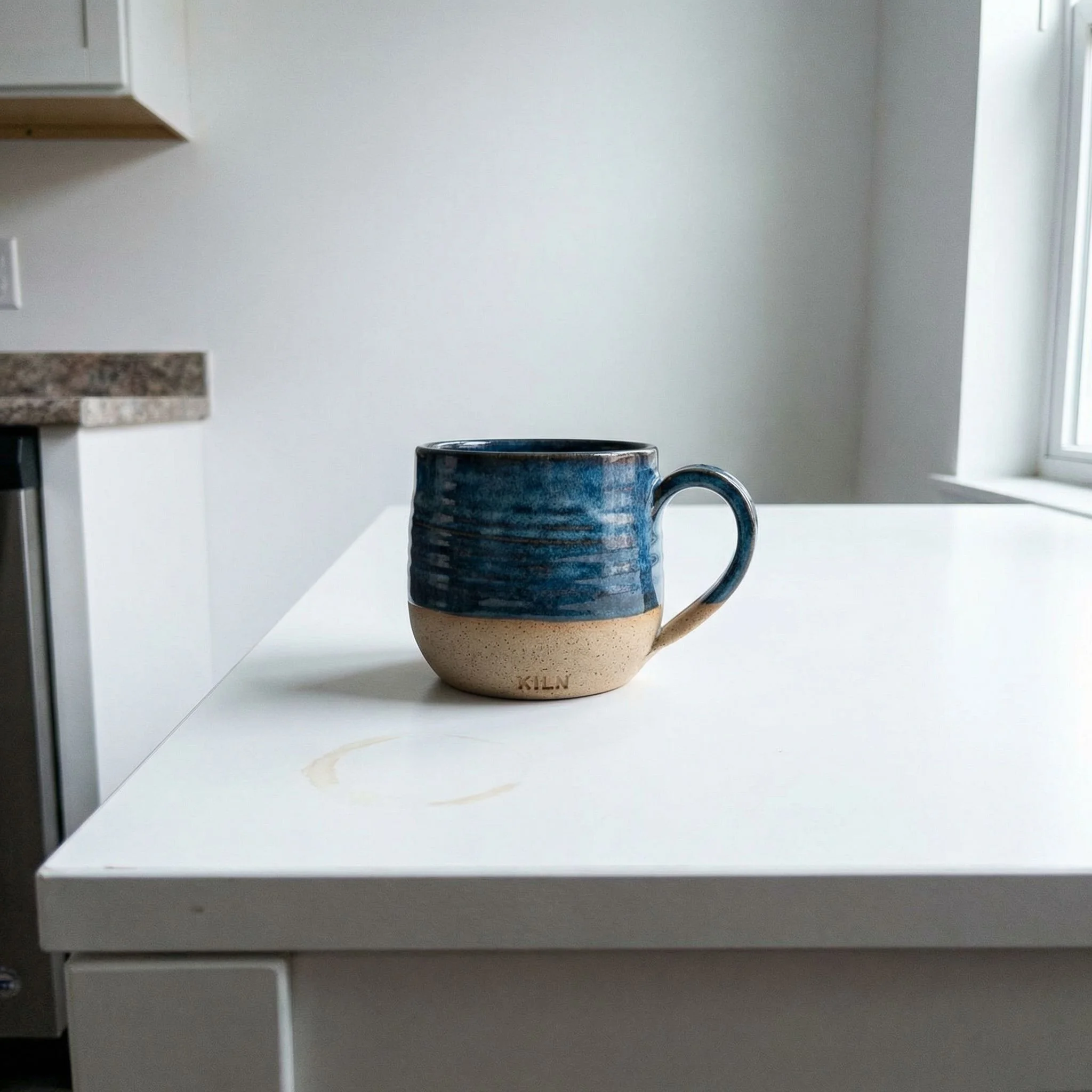
- Background: The main image must feature a pure white background (RGB 255, 255, 255). This creates a clean, professional look that highlights your product without distractions.
- Product Focus: The product should fill at least 80% of the image frame. It needs to be clear, in focus, and centrally located.
- No Text or Watermarks: Avoid adding promotional text, logos, or watermarks to your main image. These are distracting and generally prohibited.
- Single Product: The main image should typically feature only one variation of the product unless it's a bundle sold as a single SKU.
Secondary Images: Building a Compelling Story
While main images are about compliance and initial attraction, secondary images are where you tell your product's story and differentiate it. These follow the general technical specifications but offer more creative freedom:
- Backgrounds: You can use lifestyle backgrounds, contextual settings, or even infographics. The goal is to provide more information and context.
- Variety: Showcase different angles, close-ups of features, scale comparisons, and the product in use.
- Informational Content: Text overlays, diagrams, or comparison charts are acceptable here, provided they are clear and enhance understanding.
Why Image Quality Directly Impacts Sales and Rankings on Alibaba
In the B2B world of Alibaba, where buyers often make large volume purchases, trust and clarity are paramount. High-quality images are not just a nicety; they are a direct driver of business success.
Building Trust and Credibility
Professional, clear images convey that you are a serious and reliable supplier. Blurry, poorly lit, or inconsistent photos suggest a lack of attention to detail, eroding buyer confidence before they even read your description. Trust is the currency of international trade, and your images are its first deposit.
Enhancing User Experience and Conversion Rates
Buyers on Alibaba, like any e-commerce platform, are visual learners. Detailed, high-resolution images allow them to virtually inspect your product, understand its features, and visualize its application. A comprehensive visual presentation reduces uncertainty, answers potential questions upfront, and significantly increases the likelihood of an inquiry or purchase.
Improving Alibaba Search Rankings and Visibility
Alibaba's algorithm favors listings that offer a superior user experience. This includes listings with high-quality images that attract clicks and engagements. Products with clear, compelling visuals are more likely to appear higher in search results, giving you a competitive edge. Conversely, listings with poor images may be penalized or even suppressed.
Reducing Buyer Inquiries and Returns
When your images accurately and thoroughly represent your product, buyers have a clearer understanding of what they're ordering. This clarity minimizes misunderstandings, leading to fewer repetitive inquiries about features or dimensions, and ultimately reduces the likelihood of returns or disputes post-purchase.
Common Mistakes Sellers Make with Alibaba Product Images
Even with the best intentions, sellers often fall into common pitfalls that undermine their product listings. Avoiding these mistakes is as crucial as implementing best practices.
- Poor Lighting and Resolution: Using images taken with inadequate lighting, low resolution cameras, or phone cameras not optimized for product photography. This results in dark, grainy, or pixelated images that look unprofessional.
- Inconsistent Branding: A mix of different photography styles, backgrounds, or color palettes across your product catalog can make your storefront appear disorganized and untrustworthy.
- Ignoring Lifestyle Context: Relying solely on product-on-white shots, even for secondary images, misses the opportunity to show the product in action, highlighting its benefits and potential uses to the buyer.
- Too Much Text or Overcrowding: Overloading images with excessive text, disclaimers, or too many products in a single frame makes them look cluttered and difficult to interpret.
- Non-Compliant Main Images: Using colored backgrounds, watermarks, or showing multiple product variations in the main image. This often leads to algorithm penalties and reduced visibility.
- Lack of Variety: Presenting only one or two angles of a product, leaving buyers with an incomplete understanding of its features and design.
Best Practices for High-Converting Alibaba Product Images
Elevating your Alibaba presence requires a strategic approach to product photography. Here’s how to create images that not only meet requirements but also convert.
Main Images: Clarity and Compliance First
Always prioritize these for your primary product photo:
- Pure White Background: As mandated, this ensures your product stands out without visual competition.
- Sharp Focus and Excellent Lighting: Every detail of the product should be clearly visible. Use soft, even lighting to eliminate harsh shadows.
- Product Dominance: The product should be the undeniable star, filling most of the frame. Crop tightly but ensure no part of the product is cut off.
- No Distractions: Absolutely no text, logos, watermarks, or additional props that detract from the product itself.
Secondary and Lifestyle Images: Tell Your Product's Story
This is your chance to provide comprehensive context and showcase value:
- Detailed Close-Ups: Highlight unique features, material quality, textures, and critical components.
- Scale and Dimensions: Show the product next to a commonly recognized object or a ruler to give buyers a clear sense of its size.
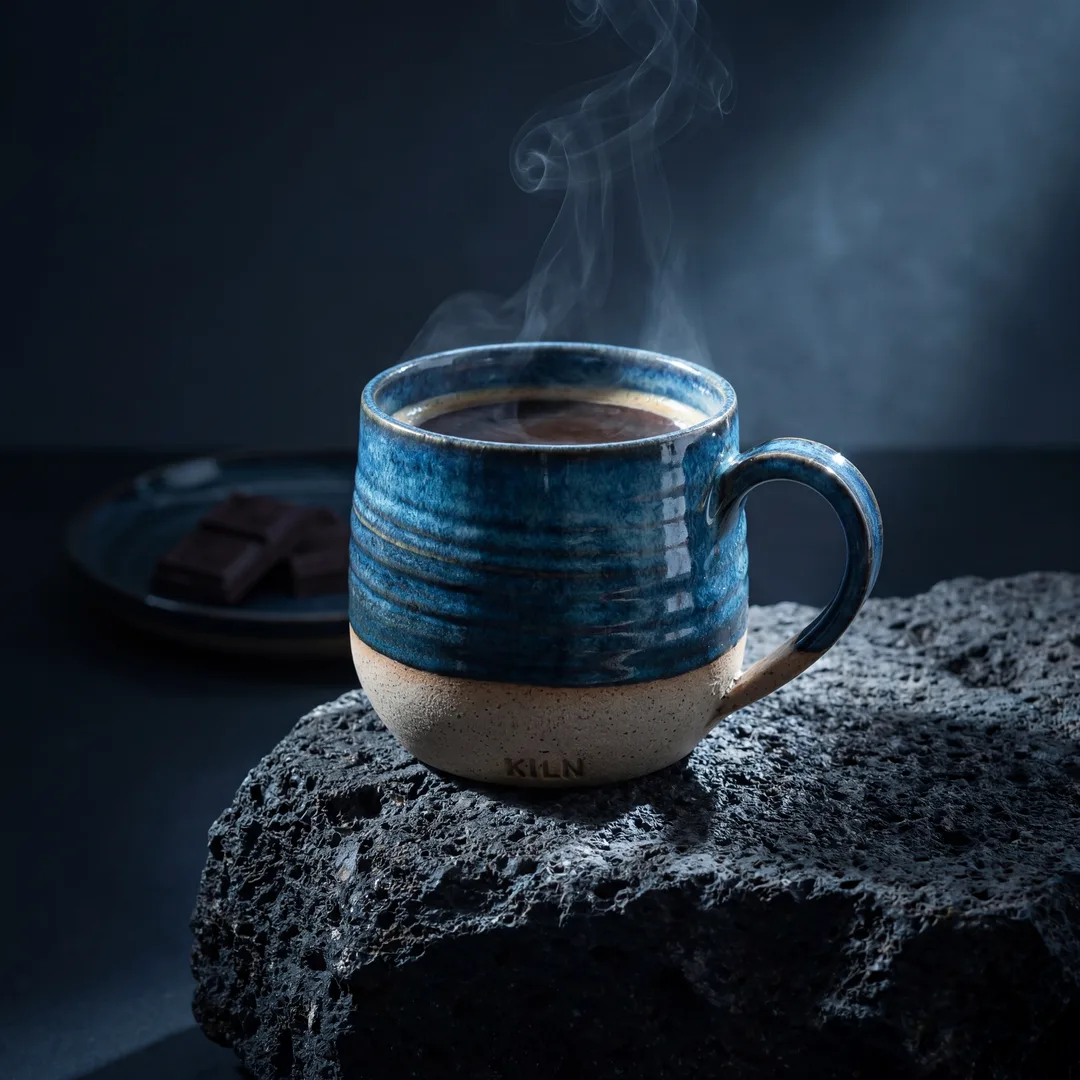
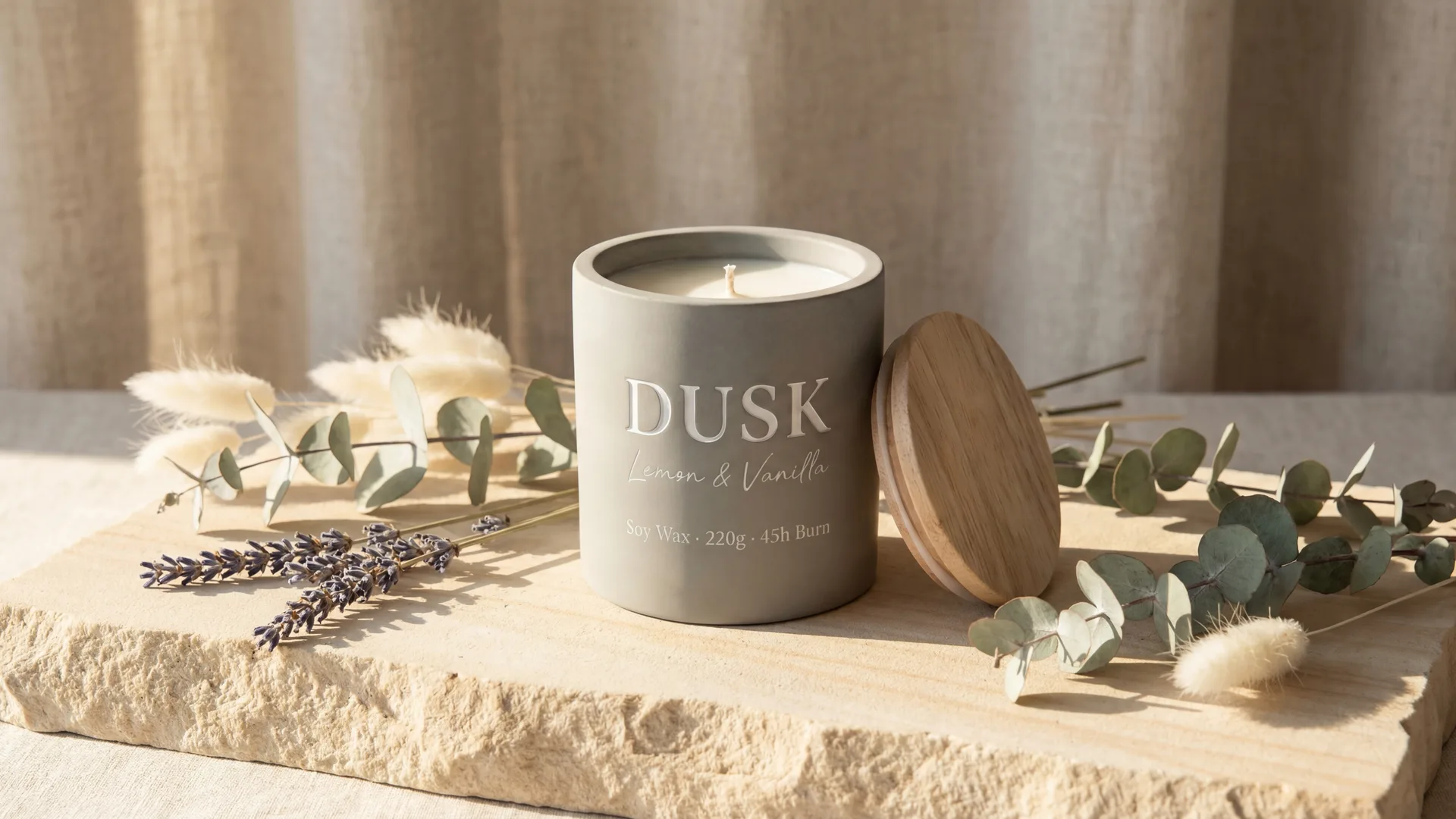
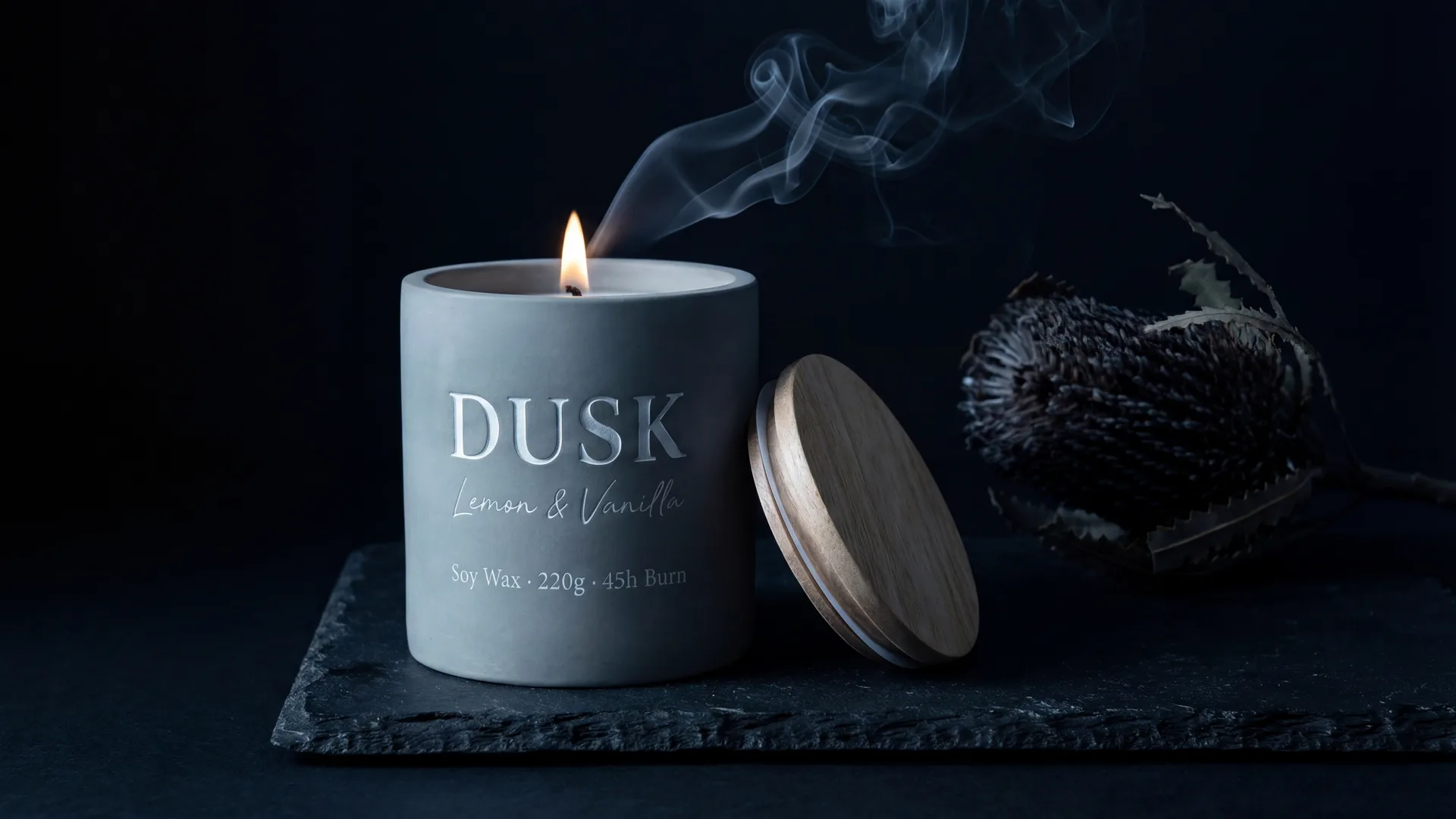
- In-Use/Lifestyle Shots: Demonstrate the product in its intended environment or being used. For industrial parts, show them integrated into machinery; for consumer goods, show them in a relevant setting. This helps buyers visualize its application and benefits.
- Angle Variety: Provide multiple angles (front, back, sides, top, bottom) to offer a complete 360-degree view.
- Packaging and Branding: Include an image of the product's packaging, especially if it's branded or provides important information.
- Infographics (Tastefully Done): Use simple, clear infographics to highlight key specifications, benefits, or assembly instructions. Keep text concise and easy to read.
- Team/Factory Images: While not directly product images, including a few high-quality photos of your team or factory can build immense trust and transparency, especially for B2B buyers.
Consistency Across Your Storefront
Maintain a consistent style, color palette, and quality level across all your product listings. This reinforces your brand identity and professional image, making your Alibaba storefront a cohesive and trustworthy destination.
Optimization for Mobile Devices
Many B2B buyers use mobile devices to browse. Ensure your images are clear and impactful even on smaller screens. Avoid overly complex images with tiny text that becomes unreadable on a phone.
Leveraging AI Photography Tools for Alibaba Success
Achieving professional-grade product photography can be time-consuming and expensive, especially for businesses with extensive catalogs. This is where AI-powered photography tools step in, offering an efficient and cost-effective solution to meet Alibaba's high standards.
Efficiency and Speed at Scale
Traditional product photography involves studios, equipment, models, and significant post-production. AI tools dramatically accelerate this process, generating high-quality images in minutes rather than days or weeks. This speed is invaluable for launching new products quickly or updating existing listings.
Cost-Effectiveness
AI photography eliminates the need for expensive photoshoots, studio rentals, and graphic designers for every product. It democratizes access to professional imagery, making it affordable for businesses of all sizes to maintain a premium visual presence.
Consistency and Quality on Demand
Maintaining a consistent look across hundreds or thousands of products is a monument...
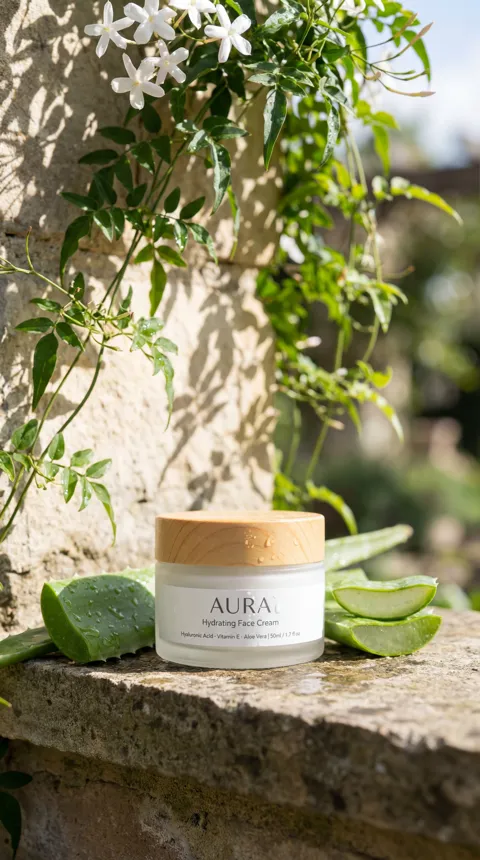

Image Requirements
| Type | Details |
|---|---|
| main_image | Pure white background (RGB 255, 255, 255), product fills 80% of frame, no text/watermarks, max 5MB file size. |
| secondary_images | Can use diverse backgrounds, showcase details/lifestyle/scale, allows infographics/text (tastefully), max 5MB file size. |
Frequently Asked Questions
What is the ideal background for Alibaba main product images?+
Alibaba strictly requires main product images to have a pure white background (RGB 255, 255, 255). This ensures the product stands out clearly and professionally, complying with platform standards.
Can I use watermarks or text on my Alibaba product photos?+
You should avoid watermarks, logos, or promotional text on your main product images. For secondary images, minimal, clear text can be used for infographics or feature highlights, but it should enhance understanding without being overly promotional or distracting.
How many images should I include per product listing on Alibaba?+
While there's no strict maximum, aim for a comprehensive visual presentation. Including 5-8 high-quality images, covering different angles, close-ups, lifestyle shots, and dimension views, is a good practice to fully inform potential buyers.
Do product images affect my Alibaba search ranking?+
Absolutely. High-quality, compliant images contribute to a better user experience, which Alibaba's algorithm favors. Listings with professional images tend to attract more clicks and engagement, potentially improving their visibility and search ranking.
Is it acceptable to use stock photos for my product on Alibaba?+
It is strongly advised against using generic stock photos. Buyers on Alibaba, especially B2B, look for authenticity and a true representation of your specific product. Using unique, high-quality images of your actual product builds trust and reduces misunderstandings.
What are the recommended dimensions and file size for Alibaba images?+
Alibaba recommends images of at least 1000x1000 pixels (1:1 aspect ratio) to enable the zoom feature. Each image file size should not exceed 5MB. JPG, JPEG, and PNG are the accepted formats.
How can I effectively showcase product dimensions in my images?+
For secondary images, include a photo of the product next to a common object or a ruler to provide a clear sense of scale. You can also use a simple infographic with clear measurements labeled directly on the image.