

Photone AI vs Flair.ai: Choosing the Best AI for Product Lifestyle Photos
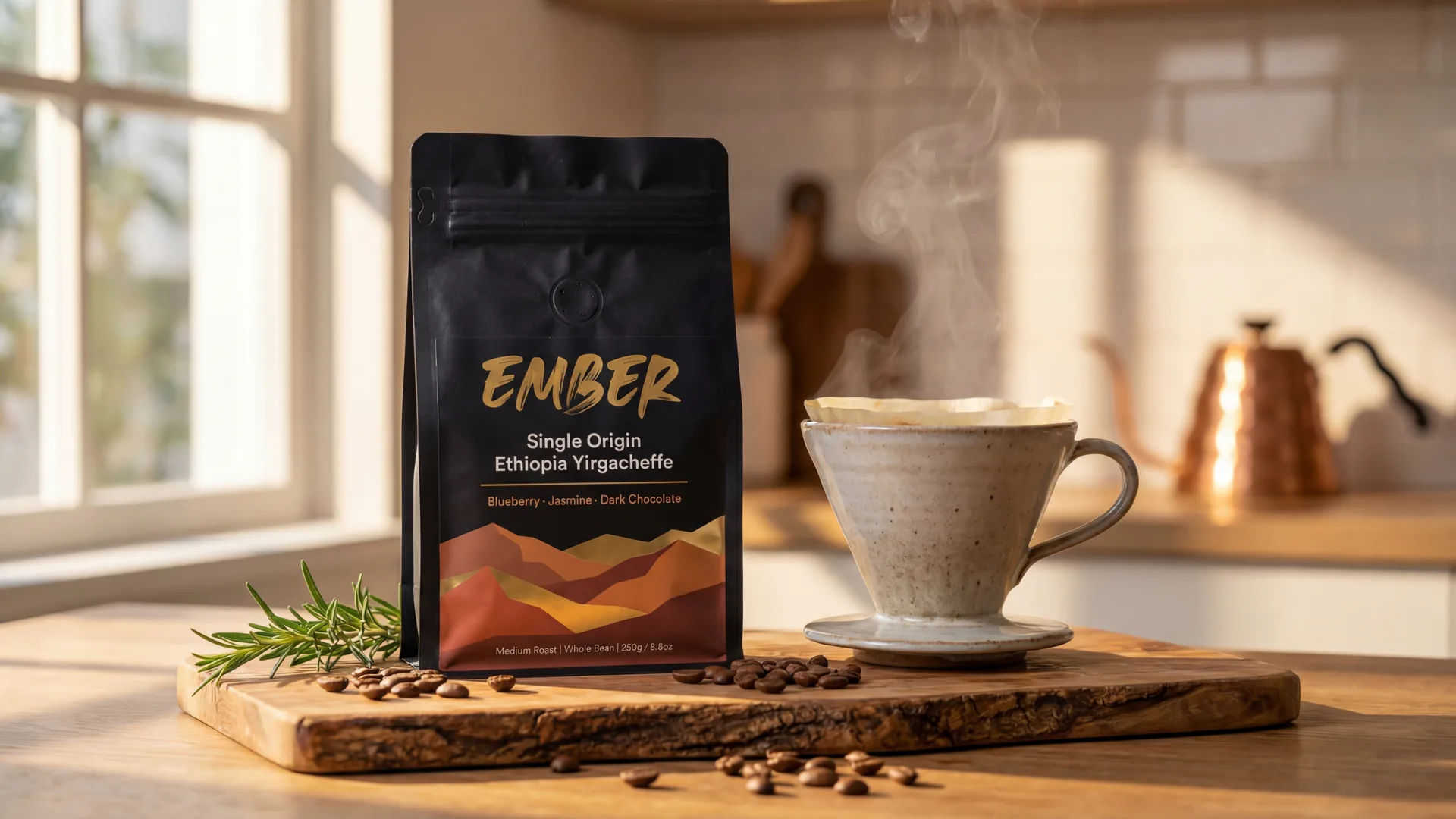
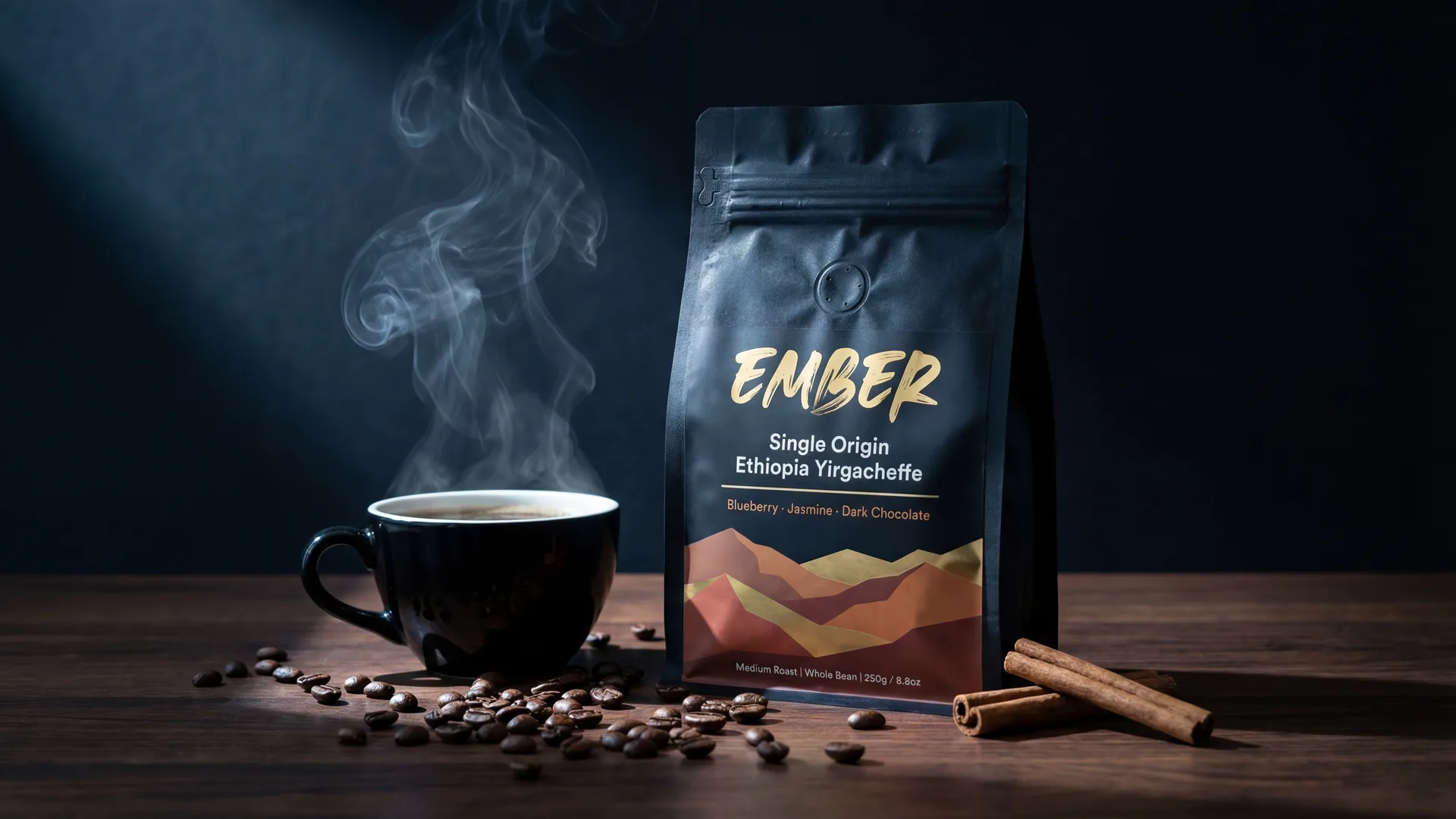
Key Features
- ✓URL-to-photo pipeline
- ✓Reusable Styles
- ✓Brand DNA extraction
- ✓21 supported languages
- ✓Scene templates
- ✓AI product staging
- ✓Drag-and-drop editor
- ✓Template library
- ✓Brand consistency
- ✓High-resolution output
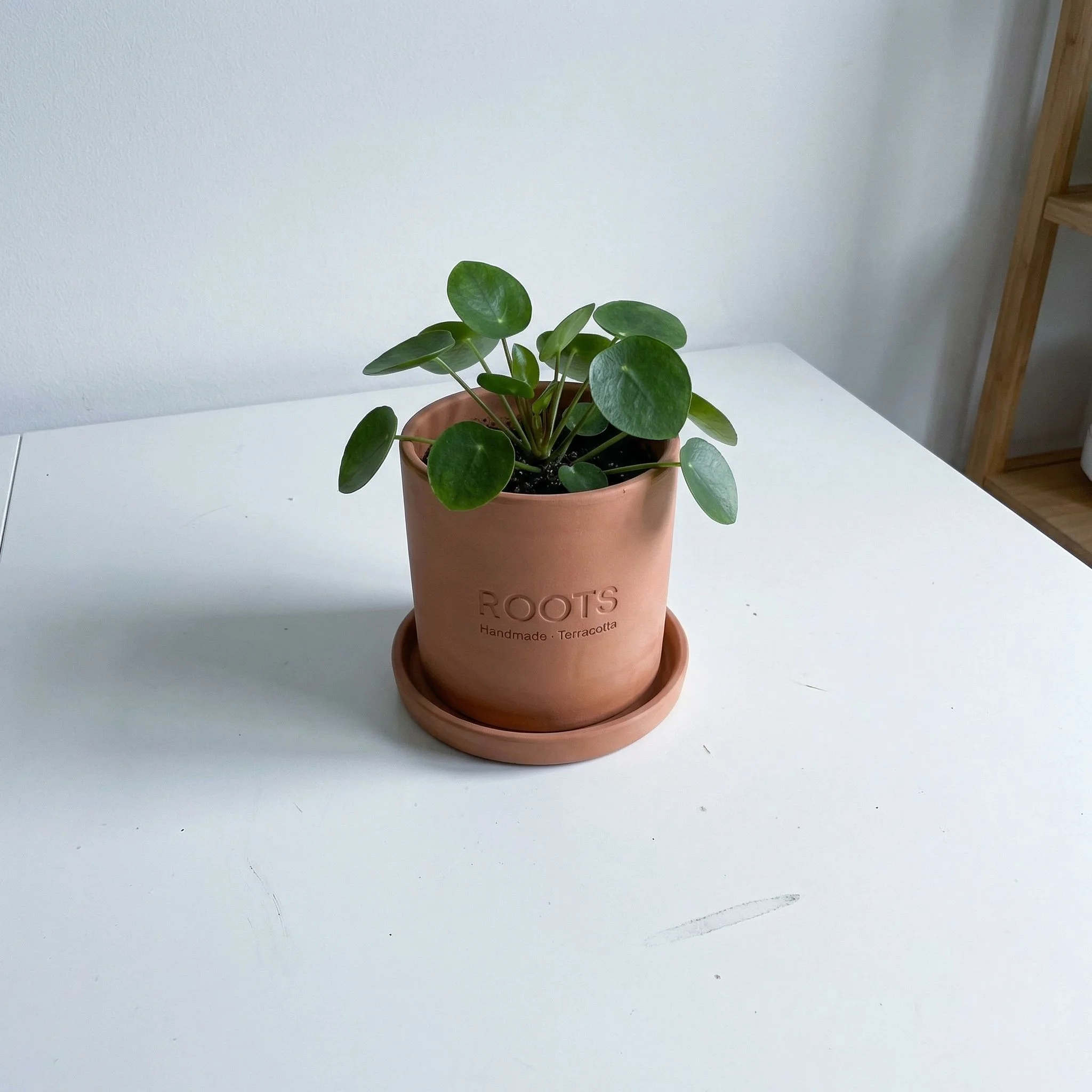 Before
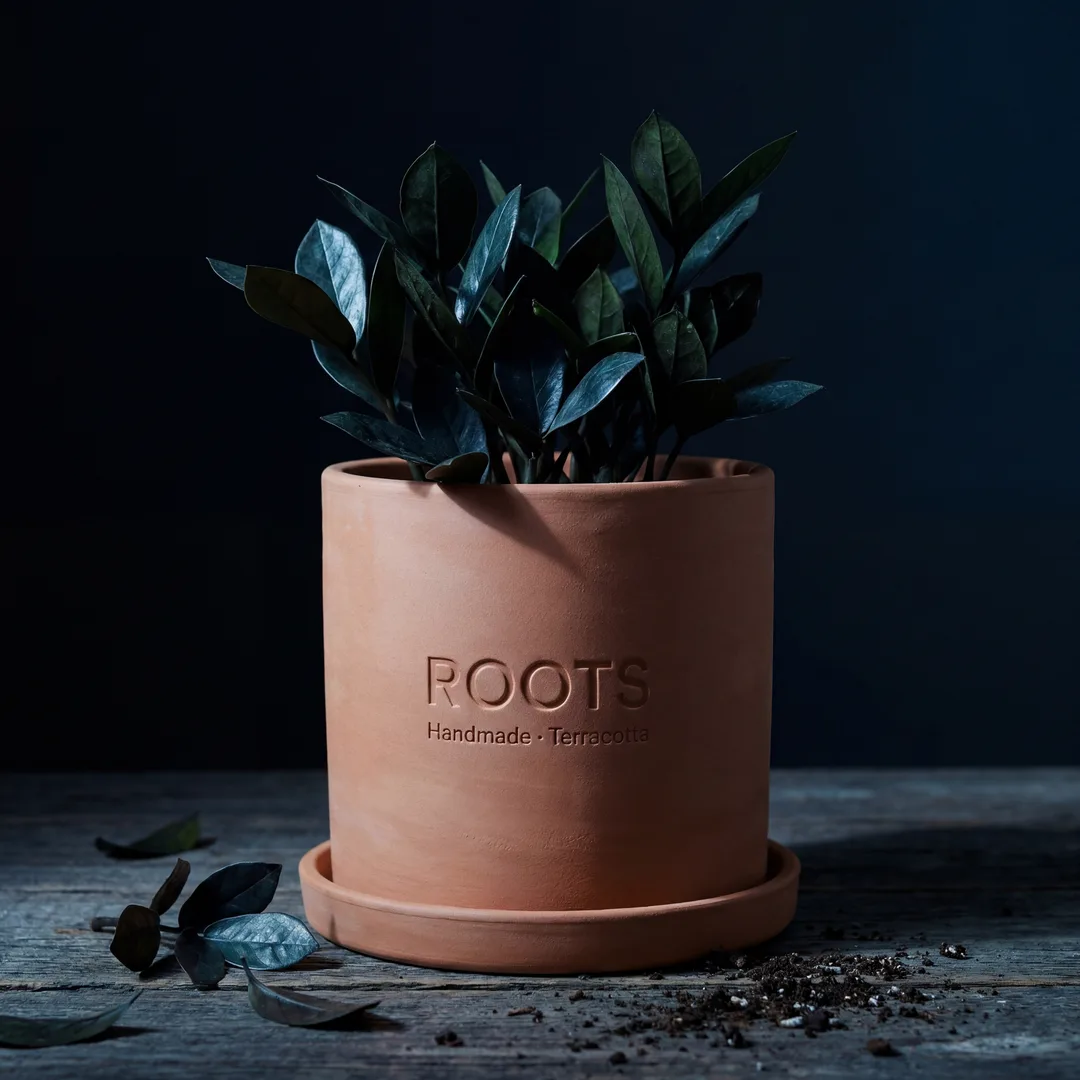 After
AfterSee the Photone difference
Try Photone AI free with your own product
Photone AI vs. Flair.ai: Elevating Your E-commerce Visuals
In the competitive world of e-commerce, compelling product imagery is no longer a luxury—it's a necessity. High-quality, professional lifestyle photos can significantly boost engagement, conversion rates, and brand perception. For businesses of all sizes, leveraging Artificial Intelligence (AI) to generate these visuals has become a game-changer, offering unprecedented speed, scalability, and cost-effectiveness compared to traditional photography.
Among the innovative platforms leading this charge are Photone AI and Flair.ai. Both promise to transform ordinary product images into captivating marketing assets, but they approach this challenge with distinct methodologies and feature sets. This comprehensive comparison will delve into their respective strengths, help you understand their differentiators, and ultimately guide you in deciding which tool is the right fit for your specific e-commerce needs.
Overview of Photone AI
Photone AI (photoneai.com) positions itself as an AI-powered platform designed to streamline the creation of professional lifestyle marketing photos from simple product images. Its core strength lies in automation and efficiency, particularly for businesses managing extensive product catalogs or looking to scale their visual content rapidly. Photone AI aims to remove the manual effort from scene creation, offering a pipeline that prioritizes speed, consistency, and global reach.
Overview of Flair.ai
Flair.ai is another prominent AI tool focused on product staging and content creation. It provides users with a more hands-on, creative canvas to design branded scenes around their products. Flair emphasizes flexibility and an intuitive drag-and-drop editor, allowing users to fine-tune every aspect of their visual output, making it appealing to creators who prefer a higher degree of artistic control.
Key Features Compared
Both platforms are designed to generate high-quality lifestyle product images, but their feature sets reflect different philosophies in achieving that goal.
AI Product Staging & Scene Generation
Photone AI's Approach: Photone AI boasts a unique URL-to-photo pipeline, which allows users to simply paste a product URL and receive professional lifestyle photos in as little as 60 seconds. This feature is a significant differentiator, drastically cutting down the manual upload and setup time often associated with content generation. It also offers scene templates that ensure visual consistency across entire product catalogs, which is invaluable for brand cohesion. The platform's reusable Styles encode elements like mood, lighting, composition, and color palette, allowing users to apply a consistent aesthetic across multiple products without re-defining parameters each time.
Flair.ai's Approach: Flair.ai excels in AI product staging, providing a versatile environment where users can place their products within AI-generated scenes. Its drag-and-drop editor is central to its workflow, empowering users to move, resize, and rotate elements within the scene. Flair also offers a robust template library, giving users a starting point for various creative concepts, from minimalist setups to elaborate environments.
Differentiation: Photone AI prioritizes automation and scale, ideal for high-volume content creation with minimal manual input. Flair.ai offers more granular control and creative freedom, suited for users who want to experiment with scene compositions in real-time.
Ease of Use & Workflow
Photone AI: The URL-to-photo pipeline is a testament to Photone AI's commitment to ease of use and speed. By automating the initial product ingestion and scene generation, it significantly simplifies the workflow. The reusable Styles system further streamlines the process, allowing users to select pre-defined aesthetics and apply them efficiently. This makes it incredibly user-friendly for businesses needing to generate a large volume of consistent images quickly.
Flair.ai: Flair.ai's drag-and-drop editor is intuitive for anyone familiar with graphic design software. The visual canvas provides immediate feedback, making it easy to experiment and refine scenes. While it requires more hands-on interaction than Photone AI's fully automated pipeline, its visual nature makes the design process accessible and engaging.
Differentiation: Photone AI offers a "set it and forget it" level of automation for rapid generation. Flair provides a more interactive and visually driven design experience, offering a higher degree of immediate creative control.
Brand Consistency & Customization
Photone AI: A standout feature for Photone AI is its Brand DNA extraction. The platform automatically analyzes a shop's visual identity, ensuring generated photos align with an existing brand aesthetic. Combined with reusable Styles and scene templates, Photone AI offers powerful tools for maintaining visual consistency across diverse product lines and marketing campaigns, crucial for building a strong brand presence.
Flair.ai: Flair.ai addresses brand consistency through its template library and the ability to save custom designs. Users can create and reuse their own brand-specific templates, ensuring that subsequent creations adhere to established visual guidelines. The drag-and-drop editor also allows for precise placement and styling to match brand requirements.
Differentiation: Photone AI's Brand DNA extraction offers a proactive, AI-driven approach to maintaining brand identity. Flair's method relies more on user-defined templates and manual application of brand guidelines within its editor.
Output Quality & Resolution
Both platforms are committed to delivering high-resolution output suitable for various marketing channels, including e-commerce websites, social media, and print materials. The AI models are trained to produce realistic lighting, textures, and shadows, resulting in professional-grade images that effectively showcase products. The quality from both tools is generally high, with the nuance often lying in the specific scene complexity and product type.
Language Support
Photone AI: A significant advantage for global sellers, Photone AI supports 21 languages. This broad language support enables businesses to create localized marketing content without additional translation costs or efforts, expanding their reach and relevance in international markets.
Flair.ai: While Flair.ai is a powerful tool, its primary interface and documentation are typically in English. Specific information on multi-language support for AI generation itself is less prominent.
Differentiation: Photone AI's extensive language support is a clear advantage for international e-commerce businesses looking to localize their product imagery and marketing content.
Pricing Structure
Understanding the pricing models is crucial for budgeting and scaling your visual content strategy.
Photone AI: Offers a tiered pricing structure designed to accommodate different business sizes and needs:
- Free tier: 12 credits (ideal for testing the platform)
- Starter: $39/month for 150 credits
- Pro: $89/month for 500 credits
- Scale: $189/month for 1500 credits
Each credit typically corresponds to one generated image, offering transparency and flexibility. This clear structure allows businesses to choose a plan that aligns with their monthly image generation requirements.
Flair.ai: While Flair.ai also offers various subscription plans, specific pricing details were not provided for a direct, real-time comparison. Generally, AI tools in this category offer monthly or annual subscriptions based on usage limits or feature access.
Target Audience
Photone AI: This platform is ideally suited for:
- E-commerce businesses with large product catalogs that require rapid, scalable image generation.
- Global sellers who benefit from multi-language support and consistent branding across diverse markets.
- Marketing teams looking to automate content creation and maintain a unified brand aesthetic with minimal manual intervention.
- Businesses prioritizing efficiency, consistency, and high volume in their visual content strategy.
Flair.ai: This tool appeals more to:
- Designers and marketers who desire significant creative control over their product scenes.
- Small businesses or individual creators focusing on unique, custom campaigns where a hands-on approach is preferred.
- Users who enjoy a drag-and-drop interface and want to experiment extensively with scene compositions and elements.
- Businesses that prioritize creative freedom and detailed customization over pure automation speed.
Unique Selling Points (USPs)
Photone AI's Unique Strengths:
- URL-to-Photo Pipeline: Unmatched speed and efficiency by generating photos directly from a product URL, eliminating manual uploads.
- Reusable Styles System: Ensures consistent branding, mood, and aesthetics across hundreds or thousands of products with a single click.
- Brand DNA Extraction: AI-driven analysis of your brand's visual identity, automatically aligning new creations with your established look.
- 21 Supported Languages: A significant advantage for international e-commerce, enabling localized content at scale.
- Scene Templates for Catalog Consistency: Maintains a unified visual theme across entire product lines, crucial for large inventories.
Flair.ai's Unique Strengths:
- Intuitive Drag-and-Drop Editor: Offers a high degree of creative freedom and real-time visual customization.
- AI Product Staging: Powerful tools for placing and interacting with products within AI-generated scenes.
- Extensive Template Library: Provides a wide array of starting points for diverse creative concepts.
Comparison Table: Photone AI vs. Flair.ai
| Feature | Photone AI | Flair.ai | | :---------------------------- ...
Frequently Asked Questions
How quickly can Photone AI generate lifestyle photos?+
Photone AI's unique URL-to-photo pipeline can transform a product URL into professional lifestyle photos in as little as 60 seconds, offering unparalleled speed and efficiency for content generation.
Can Photone AI maintain my brand's visual identity across different products?+
Yes, Photone AI excels in brand consistency. It features 'Brand DNA extraction' which automatically analyzes your shop's visual identity, and 'Reusable Styles' and 'Scene templates' which allow you to apply consistent mood, lighting, composition, and color palettes across your entire product catalog.
Do I need design experience to use Photone AI or Flair.ai?+
Neither tool requires extensive design experience. Photone AI focuses on automation, allowing you to generate photos with minimal input. Flair.ai offers an intuitive drag-and-drop editor, making creative scene composition accessible even for beginners.
Which tool is better for businesses with international customers?+
Photone AI is particularly advantageous for global sellers as it supports 21 languages. This allows businesses to generate localized marketing content without extra effort, broadening their international reach more effectively than tools with limited language support.
Can I try Photone AI before committing to a paid plan?+
Yes, Photone AI offers a free tier that includes 12 credits, allowing you to test the platform's features and output quality before deciding on a paid subscription.
What is the primary difference in workflow between Photone AI and Flair.ai?+
Photone AI offers a more automated, pipeline-driven workflow, where you primarily input a URL and receive generated images, ideal for speed and scale. Flair.ai provides a more hands-on, interactive drag-and-drop editor, giving users granular creative control over scene composition.