
Mastering TikTok Shop Product Photography: A Guide to High-Converting Images
Unlock sales on TikTok Shop with stunning product images. Learn TikTok's specific requirements, best practices, common mistakes, and how AI tools boost your lis
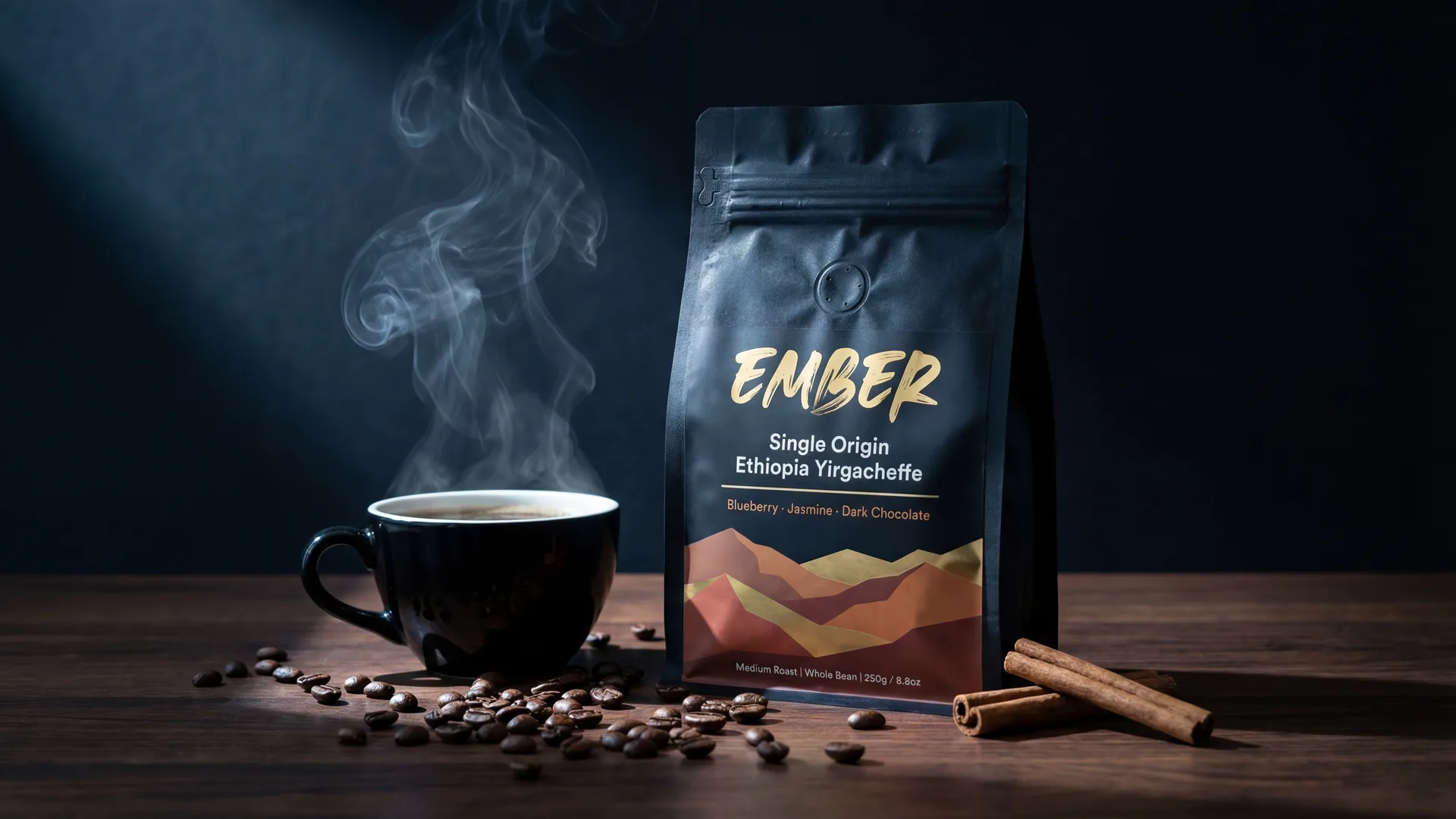
TikTok Shop is rapidly transforming the e-commerce landscape, offering brands and sellers a dynamic new channel to connect with customers through shoppable videos and engaging content. But even on a video-centric platform, the power of compelling product photography remains paramount. High-quality images aren't just a recommendation; they are a direct driver of trust, engagement, and ultimately, sales and higher rankings.
This comprehensive guide will walk you through the essential product photography requirements and best practices for TikTok Shop. We'll explore why your visuals directly impact your bottom line, pinpoint common pitfalls to avoid, and reveal how cutting-edge AI photography tools can elevate your listings, ensuring compliance and maximizing conversions.
TikTok Shop's Specific Image Requirements
To succeed on TikTok Shop, your product images must meet specific technical and quality standards. Adhering to these guidelines ensures your products display correctly, load quickly, and provide a professional appearance that instills confidence in potential buyers. Ignoring them can lead to listings being rejected, poor user experience, or reduced visibility.
Dimensions and Aspect Ratio
TikTok Shop primarily recommends a square aspect ratio for product images, with specific dimensions to ensure clarity and optimal display across various devices:
- Recommended Dimensions: 1200x1200 pixels is a widely accepted standard. While larger resolutions might be accepted (e.g., 2000x2000 pixels), ensure the aspect ratio remains 1:1.
- Minimum Dimensions: Typically, 600x600 pixels is the minimum, but always aim for higher to maintain sharpness, especially when users zoom in.
Format and File Size
Selecting the correct file format and managing file size are crucial for fast loading times and image quality.
- Accepted Formats: JPEG (.jpg or .jpeg) and PNG (.png) are the most common and widely supported formats. JPEG is excellent for photographs due to its compression capabilities, while PNG is better for images with transparent backgrounds or sharp lines.
- Maximum File Size: Keep individual image files under 5MB. Larger files can slow down page loading, leading to a frustrating user experience and potentially higher bounce rates.
Background Rules for Main Images
TikTok Shop, like many marketplaces, has specific guidelines for the primary product image to ensure visual consistency and clear product presentation:
- White Background: For your main product image, a pure white (RGB 255, 255, 255) or very light, plain background is generally preferred. This helps the product stand out, minimizes distractions, and creates a clean, professional look.
- Product Clarity: The product should be the sole focus of the main image, clearly visible and occupying 80-90% of the frame. Avoid busy or patterned backgrounds, text, watermarks, or unnecessary props in the main image.
General Quality Standards
Beyond technical specs, TikTok Shop emphasizes overall image quality:
- High Resolution and Sharpness: Images must be clear, crisp, and in focus. Blurry, pixelated, or low-resolution photos reflect poorly on your brand and product.
- Accurate Color Representation: Colors in your product images should accurately match the physical product to avoid customer dissatisfaction and returns.
- No Watermarks or Logos (Main Image): While secondary images might subtly feature branding, the main product image should be free of overt watermarks, logos, or promotional text. This is a common marketplace rule to maintain a neutral shopping environment.
Why Image Quality Directly Impacts Sales and Rankings on TikTok Shop
In the fast-paced, visually driven environment of TikTok, your product images are often the first, and sometimes only, chance you get to capture a buyer's attention. High-quality visuals do more than just look good; they are powerful sales tools that influence several key metrics.
Building Trust and Credibility
Professional, clear images signal legitimacy and attention to detail. Customers associate high-quality visuals with high-quality products and trustworthy sellers. Conversely, poor images can raise red flags, making shoppers doubt the product's authenticity or the seller's reliability.
Boosting Engagement and Click-Through Rates
In a scroll-heavy feed, visually appealing images stop the scroll. They entice users to click on your listing, explore more details, and watch any associated videos. More clicks mean more opportunities for conversion.
Enhancing Perceived Value
A well-lit, beautifully composed photograph can significantly increase the perceived value of your product. Even an affordable item can look premium with excellent photography, making customers more willing to pay your asking price.
Reducing Returns and Customer Service Inquiries
Detailed and accurate images, showcasing the product from multiple angles and in context, help set realistic customer expectations. This reduces the likelihood of buyers receiving something different from what they envisioned, leading to fewer returns and happier customers.
Improving TikTok Shop Algorithm Ranking
While TikTok Shop's algorithm considers many factors, listings with high engagement rates (clicks, views, saves, purchases) are often favored. High-quality images contribute directly to these engagement metrics, potentially improving your product's visibility in search results and recommended feeds.
Common Mistakes Sellers Make with TikTok Shop Product Images
Even with the best intentions, sellers often fall into common traps when it comes to product photography. Avoiding these pitfalls is as crucial as implementing best practices.
- Low Resolution or Blurry Images: This is perhaps the most frequent and damaging mistake. Pixelated or out-of-focus images instantly degrade perceived quality and professionalism.
- Inconsistent Branding and Style: A hodgepodge of different photography styles across your listings can make your shop look unprofessional and disorganized. Consistency builds brand recognition and trust.
- Non-Compliant Main Images: Using busy backgrounds, watermarks, or promotional text on your primary product image can lead to listing rejections or reduced visibility.
- Poor Lighting: Harsh shadows, overexposure, or under-lit photos obscure product details and make items look unappealing.
- Cluttered Backgrounds: For secondary images, while lifestyle shots are encouraged, ensure backgrounds don't distract from the product itself. Avoid messy environments or competing elements.
- Only Showing One Angle: Limiting your product to a single view leaves customers guessing. They want to see the item from all sides, its texture, and its scale.
- Misleading or Heavily Edited Images: While some enhancement is acceptable, drastically altering colors or features can lead to customer disappointment and negative reviews.
Best Practices for Main Images vs. Secondary/Lifestyle Images
TikTok Shop allows for multiple images per product, giving you the opportunity to showcase your item comprehensively. Understanding the distinct roles of main and secondary images is key to a high-converting listing.
Best Practices for Main Images
The main image is your product's hero shot – it needs to grab attention and clearly present what's for sale.
- Crystal Clear Product Focus: The product should fill 80-90% of the frame, be perfectly in focus, and well-lit.
- Pure White Background: As per TikTok Shop's guidelines, use a clean, white background to isolate the product and eliminate distractions.
- No Text, Logos, or Watermarks: Keep the main image free of any overlays that aren't part of the product itself.
- High Resolution and Sharpness: Ensure impeccable quality to allow for zooming without pixelation.
- Front View: Typically, the main image should be a clear, attractive front-facing view of the product.
Best Practices for Secondary/Lifestyle Images
Secondary images are where you tell your product's story, demonstrate its value, and help customers envision themselves using it. You can typically upload several secondary images.
- Showcase the Product in Use (Lifestyle Shots): Depict your product in real-world scenarios. If it's a mug, show someone enjoying coffee. If it's apparel, show it on a model. This helps potential buyers connect emotionally with the product.
- Highlight Key Features and Details: Use close-up shots to emphasize unique textures, craftsmanship, materials, or intricate details. If a product has a unique closure or mechanism, show it.
- Demonstrate Scale: Include a shot that provides a sense of the product's size. This could be next to a common object or held by a person.
- Display Multiple Angles: Offer a 360-degree view. Show the front, back, sides, and top/bottom as relevant.
- Show Variations (if applicable): If your product comes in different colors, patterns, or sizes, include images of these variations within the same listing (or link to separate listings).
- Contextual Backgrounds: Unlike main images, secondary images can feature more dynamic backgrounds. Ensure these backgrounds complement the product and enhance the story, rather than distract from it.
- Infographics (Used Sparingly): You can include images with key benefits, dimensions, or usage instructions, but ensure they are clean, easy to read, and don't overcrowd the product itself.
- User-Generated Content (UGC) Feel: Sometimes, slightly imperfect, authentic-looking photos (provided they are still clear and well-lit) can resonate well with the TikTok audience, mimicking the platform's native content style.
How AI Photography Tools Can Help Sellers Meet TikTok Shop's Standards Efficiently
Creating a large volume of high-quality, compliant product images can be a significant challenge for sellers, especially those with extensive catalogs or limited budgets for professional photoshoots. This is where AI-powered photography tools step in as game-changers.
AI platforms streamline the en...

Image Requirements
| Type | Details |
|---|---|
| main_image | Product fills 80-90% of frame, pure white/light plain background, no text/watermarks, high resolution |
| secondary_images | Show product in use/lifestyle, multiple angles, close-ups, scale, contextual backgrounds (non-distracting), high resolution |
Frequently Asked Questions
What are the essential image requirements for TikTok Shop?+
TikTok Shop primarily recommends a 1:1 aspect ratio, typically 1200x1200 pixels, using JPEG or PNG formats, with a maximum file size of 5MB per image. Main product images should ideally feature a pure white or very light, plain background with the product occupying 80-90% of the frame.
Can I use lifestyle photos as my main product image on TikTok Shop?+
While lifestyle photos are excellent for secondary images to showcase context and use, it is generally recommended to use a clear, isolated product image with a plain white background for your main listing photo. This ensures compliance with most marketplace rules and helps the product stand out immediately.
How many images should I upload for each product on TikTok Shop?+
You should aim to upload multiple images for each product. Start with one main, compliant image, and then include several secondary images (typically 4-8) that showcase different angles, close-ups, lifestyle shots, scale, and any relevant details or variations. This provides a comprehensive view for the customer.
Is it okay to add text or my brand logo to TikTok Shop product images?+
For your main product image, it's best to avoid any text, watermarks, or overt brand logos to maintain clarity and comply with TikTok Shop's guidelines. For secondary images, subtle branding or informative text (like an infographic) can be used, but ensure it doesn't clutter the image or distract from the product.
How can AI photography tools like Photone AI help me with TikTok Shop images?+
AI photography tools like Photone AI can significantly help by automating the creation of professional lifestyle photos from basic product images. They offer speed, cost savings, consistent brand styling through 'Reusable Styles' and 'Brand DNA extraction,' and help ensure images meet platform requirements like specific backgrounds and dimensions, all without expensive photoshohoots.
What if my existing product images don't meet TikTok Shop's requirements?+
If your existing images don't meet the requirements, you should update them. You can either reshoot them following the guidelines, or use AI photography tools like Photone AI to quickly transform your current images into compliant, high-quality visuals, ensuring your listings are approved and perform well.